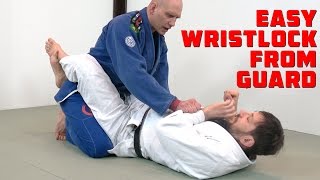
Outside Wrist Lock Grip Foundation
The outside wrist lock, known as mune gyaku in Japanese terminology, is executed by placing the thumbs on the opponent's knuckles while the hands grip the inside of their hand. The practitioner then applies simultaneous twist and downward pressure to create the lock. This technique can be modified by pushing with the secondary hand rather than twisting, depending on positioning and leverage availability.
Historical Applications Across Martial Arts
The outside wrist lock appears across numerous martial arts systems including karate, taekwondo, and hapkido, making it one of the most universally recognized joint locks. While rarely seen in sport jiu-jitsu or professional MMA competition, the technique has proven effective in self-defense scenarios against unsuspecting opponents. Its dangerous nature—capable of causing compound fractures—has led many tournaments to ban its application, and practitioners are advised to use extreme caution when drilling with training partners.
Wrist Lock from Gi Collar Control
When an opponent controls the practitioner's gi, the first method involves catching underneath the gi with one hand while bringing the other hand over to establish the wrist lock grip. The practitioner positions their hand to the outside to prevent the opponent from executing a strike while the wrist is being manipulated. From this position, downward pressure combined with rotation applies the submission, which can be taken to a tap or thrown to the ground.
Wrist Lock from Head Control Position
When an opponent grabs behind the practitioner's head, turning the head allows the opponent's wrist to become accessible for locking. This variation has proven effective in training situations and grappling exchanges, offering a higher success rate than some other entry methods. The technique works particularly well against wrestlers who engage in close head control.
Wrist Lock from Wrist Grab Defense
When an opponent initiates with a direct wrist grab, the defender can execute an immediate wrist lock by rotating their hand and establishing the proper grip on the opponent's hand. This application has been viable since the technique was learned at an early age and remains effective in modern practice. The simplicity of this entry makes it accessible for practitioners at various skill levels.
Mastering the Wrist Lock Throw - Standing Submissions
Key Takeaways
- •Outside Wrist Lock Grip Foundation
- •Historical Applications Across Martial Arts
- •Wrist Lock from Gi Collar Control
- •Wrist Lock from Head Control Position
Related Techniques
Frequently Asked Questions
What does this video teach about from standing?
This video covers outside wrist lock grip foundation, historical applications across martial arts, wrist lock from gi collar control. It provides detailed instruction from Team Third Heaven.
How long does it take to learn from standing?
The basic mechanics can be understood in a single session, but developing reliable execution requires consistent drilling over weeks of practice. This 5-part breakdown helps structure your training by isolating each phase of the technique.
What are the key details for finishing from standing?
When an opponent grabs behind the practitioner's head, turning the head allows the opponent's wrist to become accessible for locking. This variation has proven effective in training situations and grappling exchanges, offering a higher success rate than some other entry methods. The technique works particularly well against wrestlers who engage in close head control.