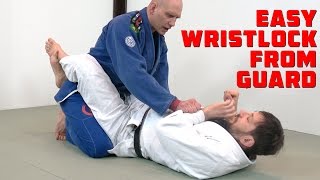
Introduction to Standing Wrist Locks
Pete Letsos demonstrates wrist lock techniques applicable from standing position, emphasizing their rapid deployment and self-defense utility. The techniques draw from 20 years of dedicated practice in Rislak methodology.
Kazushi Entry and Head Movement
The first technique employs kazushi—head displacement to create an off-balance condition—followed by a hand shake entry. The practitioner hides the head and uses battle rope-like hand motion while maintaining leg positioning for potential takedowns.
Countering the Pull with Rear Circle Control
When an opponent pulls the hand inward aggressively, the defender circles from behind to establish control. A chopping action to the wrist can compromise the opponent's grip strength when resistance is encountered.
Defense Against Push Attacks
The practitioner catches the opponent's push by intercepting at the wrist and stepping outside to avoid exposure to neck attacks. The finish utilizes a cup grip that prevents the opponent from sliding the hand upward.
Two-on-One Wrist Lock Principles
When applying two-on-one control to the opponent's hand, the free hand must be constantly monitored for striking threats. Practitioners must be prepared to tie up or defend against strikes from the unconstrained limb.
Shirt Grab Conversion
If an opponent grabs the practitioner's shirt, the wrist lock can be immediately applied to force a turnover and takedown. The technique works effectively even against significant strength differences.
Neck Grab Defense and Wrist Lock Transition
Against a neck grab, the Carlson Gracie defense positions the arm to prevent striking while transitioning into a wrist lock. The technique disrupts the opponent's striking ability momentarily before establishing control.
Wrist Lock Synergy with Other Submissions
Wrist locks create opportunities for secondary submissions including straight arm bars, Americana, and Kimura techniques. The system has gained increased visibility in both jiu-jitsu and MMA competition since its systematic documentation.
The Chop Defense and Finishing Method
When an opponent resists wrist bending by generating excessive grip strength, a chopping action to the wrist weakens their position. This technique was developed by Carlson Gracie and remains effective when isolation attempts fail.
Best Wrist Locks from Standing by Pete the Greek Letsos
Key Takeaways
- •Introduction to Standing Wrist Locks
- •Kazushi Entry and Head Movement
- •Countering the Pull with Rear Circle Control
- •Defense Against Push Attacks
Related Techniques
Frequently Asked Questions
What does this video teach about from standing?
This video covers introduction to standing wrist locks, kazushi entry and head movement, countering the pull with rear circle control. It provides detailed instruction from Bernardo Faria BJJ Fanatics.
How long does it take to learn from standing?
The basic mechanics can be understood in a single session, but developing reliable execution requires consistent drilling over weeks of practice. This 9-part breakdown helps structure your training by isolating each phase of the technique.
What are the key details for finishing from standing?
Wrist locks create opportunities for secondary submissions including straight arm bars, Americana, and Kimura techniques. The system has gained increased visibility in both jiu-jitsu and MMA competition since its systematic documentation.