Spinning Side Kick vs. Spinning Back Kick Terminology
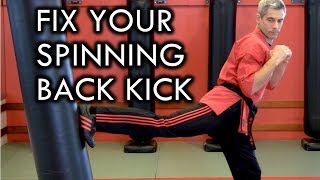
The instructor distinguishes between spinning side kick and spinning back kick, noting these terms are often used interchangeably in practice. The preferred terminology is spinning side kick, as it emphasizes the goal of maintaining a similar body orientation to a standard side kick—facing the target—rather than exposing the back by completing a full rotation.
The Critical Heel Turn
The heel turn is identified as the fundamental technical element that determines both power and accuracy of the spinning side kick. Proper heel positioning directly correlates with increased confidence and willingness to deploy the technique in sparring situations rather than limiting it to drilling.
Heel Alignment and Target Orientation
The lead foot's heel must point directly toward the intended target. Misalignment in either direction—heel rotating too far or not far enough—results in the kick missing the target and unnecessarily exposing the back to the opponent.
Controlling Rotation and Stopping Point
Once the heel reaches the correct position, the rotation must stop rather than continue, which would transform the technique into a circular rather than straight kick. Fixing the foot position prevents over-rotation and maintains accuracy through the delivery phase.
Footwork and Stepping Mechanics
A small, controlled step of the lead foot facilitates a tight spinning motion without compromising power or telegraphing the technique. An excessively large step reduces power, increases readability, and can displace the heel from its optimal position.
Post-Kick Leg Control and Recovery
After delivering the kick, the kicking leg must be pulled back in a controlled manner by bending at the knee, allowing the practitioner to step down facing the opponent. Leaving the leg extended uncontrolled permits its momentum to carry it into undesirable positions, creating vulnerabilities if the opponent evades the technique.
Opportunities in Free Practice
The spinning side kick can be integrated opportunistically during sparring, emerging from openings created by hook kicks, defensive resets, or moments when the defender's back becomes briefly exposed. Building confidence through accurate execution encourages practical application beyond drilling.
Progression Through Accuracy and Confidence
Developing precise heel turns directly increases kick power and reduces telegraph, which in turn builds practitioner confidence and willingness to employ the technique in dynamic exchanges. This confidence-accuracy feedback loop is essential for transitioning the spinning side kick from a training drill to a combat application.
Be More CONFIDENT With Your SPINNING Back Kick Set Up
Key Takeaways
- •Spinning Side Kick vs. Spinning Back Kick Terminology
- •The Critical Heel Turn
- •Heel Alignment and Target Orientation
- •Controlling Rotation and Stopping Point
Related Techniques
Frequently Asked Questions
What does this video teach about uppercut back kick?
This video covers spinning side kick vs. spinning back kick terminology, the critical heel turn, heel alignment and target orientation. It provides detailed instruction from MMA COACH.
How long does it take to learn uppercut back kick?
The basic mechanics can be understood in a single session, but developing reliable execution requires consistent drilling over weeks of practice. This 8-part breakdown helps structure your training by isolating each phase of the technique.
What are the key details for finishing uppercut back kick?
The spinning side kick can be integrated opportunistically during sparring, emerging from openings created by hook kicks, defensive resets, or moments when the defender's back becomes briefly exposed. Building confidence through accurate execution encourages practical application beyond drilling.
Related videos
How To Back Kick Tutorial | Catholic Karate Lesson
ᴶᴹᴶ Dojo Go ! | Online Kids Martial Arts & Karate
How to Do a Taekwondo Back Kick
Taekwondo Guide
USHIRO GERI TUTORIAL (Spinning Back Kick)
ULTIMATE KARATE
Master the Spinning Back Kick
Machida Karate
How to Fix Your Spinning Back Kick / Turning Side Kick
Ando Mierzwa