Wrist Control vs. Elbow Control
While grabbing the wrist to initiate a duck under is technically viable, controlling the elbow is significantly more effective. Wrist control requires the opponent to be in an offensive mindset, making the technique more difficult to execute. Keeping the elbow away from the ribs is the fundamental principle that enables successful duck unders regardless of grip type.
Faking the Single Leg
The instructor fakes a single-leg takedown to trigger the opponent's natural defensive response of stepping the leg back. This timing-dependent movement creates the opening necessary for the duck under to succeed. The fake must be committed and convincing to prompt the sprawl that allows the technique to flow seamlessly.
Body Control and Feinting Mastery
Proficiency in cutting the opponent's body in half and feinting to one side while attacking another transforms the duck under into a polished, flowing technique. These fundamental skills create openings that cannot be achieved through direct attacks alone. Developing these deceptive elements is essential for consistent takedown success.
Two Finishing Options
The first option involves leaving the head up and rolling through when the opponent steps back, though this allows greater posturing opportunities. The second option maintains head control on the collar, using body weight and collar pressure to pull the opponent down when they don't sprawl. Both variations should be practiced, as opponent responses determine which finish becomes available.
Sprawl Defense and Counter Strategy
Many opponents will instinctively sprawl when they sense the fake single-leg setup. The instructor omits head control when expecting a sprawl, instead driving to the side for the back take. Anticipating and reading the opponent's defensive patterns allows for seamless technique adjustments during live wrestling.
In-Match Adjustments and Pattern Recognition
Successful wrestlers observe their opponent's reactions early in the match and use that information to set up techniques later. If an opponent sprawls once, expect the same response when similar conditions occur. This strategic approach of storing reactions in your 'back pocket' separates effective wrestlers from predictable ones.
Avoiding Single-Technique Dependency
Relying exclusively on one technique becomes a liability once opponents study your wrestling film and develop counters. The duck under, while powerful, must be complemented by ankle picks, snap downs, and other takedowns to create a complete offense. When opponents shut down your primary technique, having alternative attacks ensures continued success.
Master THIS Duck Under Takedown to Score More In BJJ
Key Takeaways
- •Wrist Control vs. Elbow Control
- •Faking the Single Leg
- •Body Control and Feinting Mastery
- •Two Finishing Options
Learn one of my favorite Duck Under Takedowns for Wrestling that translates extremely well to Brazilian Jiu-Jitsu & ALL other forms of No-Gi Grappling. Find my Instructionals below: Heavy Hands: https://www.brandonreed3x.com/heavy-hand-fighting-instructional Takedowns For Older Grapplers Instructional: https://www.brandonreed3x.com/older-grapplers Wrestling For Dummies Solo Drills: https://www.brandonreed3x.com/Solo-Drills Single Legs instructional: https://www.brandonreed3x.com/Single-Leg-Takedowns Dominate the Hand Fight: https://www.brandonreed3x.com/dominate National Champ Workout Plan: https://www.brandonreed3x.com/strength EMAIL LIST: http://brandonreed3x.com/email Takedowns For BJJ Instructional: https://www.brandonreed3x.com/takedowns-for-bjj
Frequently Asked Questions
What does this video teach about standard duck under back take?
This video covers wrist control vs. elbow control, faking the single leg, body control and feinting mastery. It provides detailed instruction from Brandon Reed BJJ.
How long does it take to learn standard duck under back take?
The basic mechanics can be understood in a single session, but developing reliable execution requires consistent drilling over weeks of practice. This 7-part breakdown helps structure your training by isolating each phase of the technique.
What are the key details for finishing standard duck under back take?
Successful wrestlers observe their opponent's reactions early in the match and use that information to set up techniques later. If an opponent sprawls once, expect the same response when similar conditions occur. This strategic approach of storing reactions in your 'back pocket' separates effective wrestlers from predictable ones.
Related videos
Learning the "DUCK Under" Takedown
TeachMeGrappling Coach Brian
Keys To The Duck Under Takedown by John Smith
FANATIC WRESTLING
How to Take Down Your Opponent with the Duck Under
NY Martial Arts Academy
Duck Under to Knee Pinch - Jay Rod
Bernardo Faria BJJ Fanatics
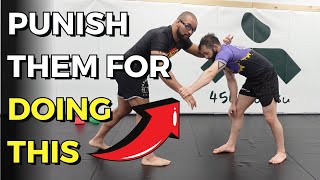
The Slickest Way to Take the Back Fast in BJJ (Duck Under Technique)
Brandon Reed BJJ