Foundation: Elbow Control Progressions
The duck under builds upon established elbow control fundamentals, including high crotch transitions, double leg entries, and dump positioning. Smith emphasizes that mastering elbow control creates a foundation for multiple offensive combinations and scoring opportunities.
Why Duck Under First
The duck under is recommended as the primary elbow control technique for all skill levels due to its effectiveness in level changes and relative accessibility compared to other entries. Unlike leg attacks, the duck under focuses purely on pulling the opponent over while changing levels, making it an ideal starting point for beginners and advanced athletes alike.
The Monkey Grip Setup
The grip transition from jamming to pulling utilizes a 'monkey grip'—all fingers wrapped together with the thumb released from jamming. This grip modification allows the athlete to rotate the hand onto the opponent's tricep muscle, establishing the primary pulling surface for the duck under technique.
Footwork and Level Change Mechanics
The duck under entry combines an inside step with the lead leg followed immediately by an outside step with the trail leg. This coordinated footwork, paired with shoulder rotation and downward pulling pressure through the monkey grip, drives the opponent's body directly into the mat.
Pressure and Penetration Timing
Proper execution requires initial jamming pressure to create opponent reaction before the penetrating duck motion. Once the opponent commits backward against the jam, the athlete immediately executes the duck, moving explosively underneath before the opponent can establish defensive positioning.
Head Position and Angle Sacrifice
Positioning the head on the opposite side of the elbow control creates a slight angle disadvantage but enables deeper penetration underneath the opponent. This positioning trade-off is acceptable because elbow control provides sufficient control to compensate for the temporary angle loss.
Finishing Positions and Combinations
Following successful penetration, the athlete can execute multiple finishing options including leg splits, step-across transitions, and mat turns. The duck under's momentum and positioning naturally flow into these follow-up techniques for scoring opportunities.
Defensive Response Advantages
When the opponent reacts defensively by moving toward the athlete's head, this actually improves the duck under execution by eliminating the need to break the opponent's grip. The opponent's defensive commitment removes obstacles and allows the athlete to penetrate freely into the finishing position.
Keys To The Duck Under Takedown by John Smith
Key Takeaways
- •Foundation: Elbow Control Progressions
- •Why Duck Under First
- •The Monkey Grip Setup
- •Footwork and Level Change Mechanics
Keys To The Duck Under Takedown by John Smith https://fanaticwrestling.com/ This wrestling training video teaches the Keys To The Duck Under Takedown. Fanatic Wrestling, like it’s sister site BJJ Fanatics was founded by a pair of grappling fanatics dedicated to bringing you the best wrestling competitors and coaches in the world to learn from. They both realized they were missing an entire section of the grappling community so the idea for Fanatic Wresting was born. To learn more great Wrestling Moves, visit https://fanaticwrestling.com/ Facebook Group: https://www.facebook.com/groups/FanaticWrestling/ Instagram: https://www.instagram.com/fanatic_wrestling/ 15% OFF On All Of Our BJJ Instructional Videos - Just Use The Coupon Code: TUBEFANATICS15 Website: https://fanaticwrestling.com/ . For the best fightwear, check out https://www.kojofightwear.com/ and use code " YTD15 " to get 15% off your first order.
Frequently Asked Questions
What does this video teach about standard duck under back take?
This video covers foundation: elbow control progressions, why duck under first, the monkey grip setup. It provides detailed instruction from FANATIC WRESTLING.
How long does it take to learn standard duck under back take?
The basic mechanics can be understood in a single session, but developing reliable execution requires consistent drilling over weeks of practice. This 8-part breakdown helps structure your training by isolating each phase of the technique.
What are the key details for finishing standard duck under back take?
Following successful penetration, the athlete can execute multiple finishing options including leg splits, step-across transitions, and mat turns. The duck under's momentum and positioning naturally flow into these follow-up techniques for scoring opportunities.
Related videos
Learning the "DUCK Under" Takedown
TeachMeGrappling Coach Brian
Master THIS Duck Under Takedown to Score More In BJJ
Brandon Reed BJJ
How to Take Down Your Opponent with the Duck Under
NY Martial Arts Academy
Duck Under to Knee Pinch - Jay Rod
Bernardo Faria BJJ Fanatics
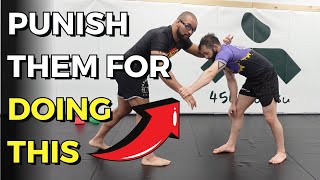
The Slickest Way to Take the Back Fast in BJJ (Duck Under Technique)
Brandon Reed BJJ