Studio Setup and Motivation
Hickok demonstrates an indoor knife-throwing method as he prepares to relocate his studio. He addresses the challenge of finding adequate space for traditional steel knife throwing, noting that missed throws can be dangerous and unpredictable.
Safety Concerns with Steel Knives
The instructor explains that steel throwing knives present significant hazards indoors, as missed throws can ricochet unpredictably in any direction, potentially endangering neighbors or pets. This necessitates large outdoor spaces for safe practice.
Plastic Knife Alternative
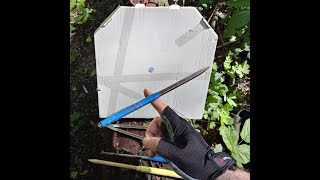
Hickok presents inexpensive plastic letter openers (approximately $7-8 each) as a viable practice tool for indoor throwing. While not identical to steel knives, these plastic alternatives teach basic throwing mechanics at minimal cost and risk.
Target Setup
A thin cardboard box with large surface area serves as the target, positioned at appropriate distance. This setup allows the knives to stick effectively without damaging surrounding property, unlike heavier steel alternatives.
Half-Turn Throwing Technique
Hickok explains the half-turn release method, where the knife is released from the blade and rotates once before impact. This technique requires less distance than full-rotation throws and suits the limitations of indoor practice with lighter plastic knives.
Safety Advantages of Plastic Knives
Plastic knives cause minimal damage even upon impact with drywall or household surfaces. Unlike steel knives, they can bounce or fall without penetrating flooring or causing serious property damage, making them suitable for controlled indoor environments.
Knife Selection Criteria
Proper weight balance and ease of handling are essential characteristics for practice knives. The instructor recommends avoiding knives with handles clips or awkward designs, as consistent balance directly affects throwing accuracy.
Psychological Appeal of Knife Throwing
The difficulty and precision required in knife throwing creates heightened satisfaction upon successful impact. Hickok notes that despite being harder than throwing axes or tomahawks, the challenge and concentrated point of contact make successful sticks more rewarding.
Knife Throwing in your house
Key Takeaways
- •Studio Setup and Motivation
- •Safety Concerns with Steel Knives
- •Plastic Knife Alternative
- •Target Setup
The knife in the video is called the Executive Letter Opener II Please visit the Hickok45.com website and check out what the great folks who support us have to offer: BUD’s GUN SHOP, THE NATIONAL RIFLE ASSOCIATION, FEDERAL PREMIUM, SONORAN DESERT INSTITUTE, and VAULTEK Handgun Safes: http://www.hickok45.com/supporters/ JOIN THE NRA at the Hickok45 page and get a nice discount: https://membership.nra.org/Hickok45/Join Hickok45 Store: http://shop.missingink.com/hickok45store Federal Premium: http://www.federalpremium.com/ https://www.facebook.com/federalpremi... SDI (Sonoran Desert Institute): http://www.sdi.edu/ Vaultek Pistol Safes: https://vaulteksafe.com/
Related Techniques
Frequently Asked Questions
What does this video teach about knife throwing?
This video covers studio setup and motivation, safety concerns with steel knives, plastic knife alternative. It provides detailed instruction from John Hickok.
How long does it take to learn knife throwing?
The basic mechanics can be understood in a single session, but developing reliable execution requires consistent drilling over weeks of practice. This 8-part breakdown helps structure your training by isolating each phase of the technique.
What are the key details for finishing knife throwing?
Proper weight balance and ease of handling are essential characteristics for practice knives. The instructor recommends avoiding knives with handles clips or awkward designs, as consistent balance directly affects throwing accuracy.