Historical Background of the Plumbata
The plumbata was a throwing weapon used by Roman forces approximately 2,500 years ago. Archaeological evidence provides limited information about the complete construction, as only the weighted metal head survives excavation; the handle, shaft, and stabilization system (whether feathers or leather straps) remain unknown. The weapon functioned similarly to arrows in massed volleys, forcing enemy shield raises that created vulnerability to follow-up attacks.
Pinch Grip Technique and Initial Distance Testing
The pinch grip mimics a large dart throw, holding the plumbata between thumb and fingers on the weighted head. Light throws without significant force generated consistent distances of approximately 18 meters with tight grouping. Increasing force through footwork and body mechanics extended range to 24-26 meters while maintaining accuracy.
Grip Comparison: No-Spin Versus Hammer Grip
The no-spin grip produced excessive tumbling and instability in flight, reducing effective range and reliability. The hammer grip (holding the shaft end) proved significantly more effective, achieving distances of 33-37 meters with proper force application and footwork. The hammer grip became the most consistent method for maximum distance throws.
Underhand Throwing Technique Assessment
Underhand throws using both index-finger and hammer grips produced similar distances of approximately 25 meters at moderate force. When executed with full force and proper release, both underhand methods achieved comparable range and trajectory to each other, though the overhand hammer grip remained superior for maximum distance.
Close-Range Accuracy and Wound Characteristics
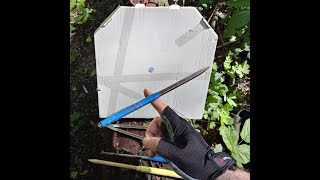
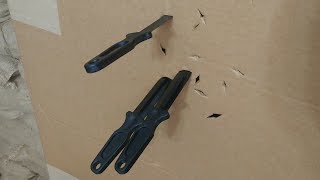
At 10-meter range, the plumbata demonstrated reliable accuracy against soft targets, requiring approximately 7-8 attempts to achieve consistent hits on a small object. Direct impacts created significant wound channels; the pinch grip proved more accurate than the hammer grip at close distances. The physical trauma from impact and extraction would be severe due to the weighted design.
Maximum Effective Range Testing
Progressive distance testing showed reliable target hits at 5, 10, 15, and 20 meters using the pinch grip for accuracy. At 20 meters, first-attempt success was achieved despite marginal accuracy. The plumbata demonstrated functional combat range extending to approximately 20 meters for reliable targeting.
Ancient Roman Plumbata Part 2 (Techniques/Accuracy/Long Distance)
Key Takeaways
- •Historical Background of the Plumbata
- •Pinch Grip Technique and Initial Distance Testing
- •Grip Comparison: No-Spin Versus Hammer Grip
- •Underhand Throwing Technique Assessment
Related Techniques
Frequently Asked Questions
What does this video teach about javelin-dart?
This video covers historical background of the plumbata, pinch grip technique and initial distance testing, grip comparison: no-spin versus hammer grip. It provides detailed instruction from Adam Celadin.
How long does it take to learn javelin-dart?
The basic mechanics can be understood in a single session, but developing reliable execution requires consistent drilling over weeks of practice. This 6-part breakdown helps structure your training by isolating each phase of the technique.
What are the key details for finishing javelin-dart?
At 10-meter range, the plumbata demonstrated reliable accuracy against soft targets, requiring approximately 7-8 attempts to achieve consistent hits on a small object. Direct impacts created significant wound channels; the pinch grip proved more accurate than the hammer grip at close distances. The physical trauma from impact and extraction would be severe due to the weighted design.