Hip Wheel Overview
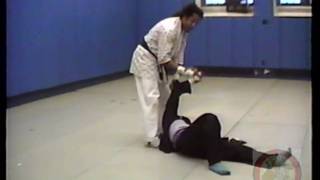
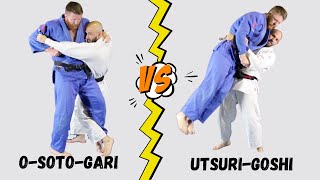
The hip wheel is a ground-fighting turnover technique performed from the knees, similar to throwing techniques like koshi guruma and o goshi executed on the mat. The instructor emphasizes that fundamental positioning and grip control remain essential to executing the technique effectively.
Koshi Guruma Variation
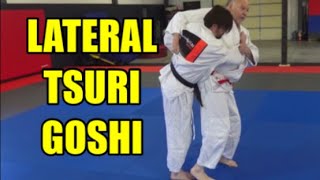
From a neutral grappling position, the practitioner grips the opponent's sleeve and breaks their balance slightly before wrapping around the neck in a koshi guruma position. The technique is performed entirely on the knees, with the practitioner rolling the opponent over their hip while maintaining control.
O Goshi Variation from Reach
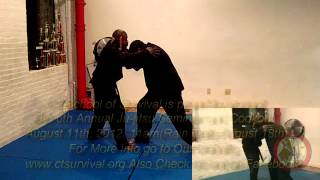
When an opponent reaches over during grappling, the practitioner counters by securing a tight waist grip and executing an o goshi on the knees. This variation is effective because the opponent's extended position makes them vulnerable to the waist control and rolling motion.
Hip Positioning Critical Error
The instructor highlights a common mistake where practitioners attempt to force the opponent down without properly placing their hip in front. Correct execution requires the hip to be positioned directly in the opponent's path so they roll over it cleanly, rather than being driven down like a bulldog.
Tight Waist O Goshi with Follow-Up
When executing o goshi with a tight waist grip, the practitioner must control the roll to prevent the opponent from reversing the position. After rolling the opponent over, the practitioner uses their feet as a brake, then shifts position to achieve top control with a mounted or side control finish.
Counter Turnover from Disadvantaged Position
When dominated in a neutral position, the practitioner can execute a tight waist grip as a counter-turnover option. By securing the waist and quickly scooting across the opponent's body, the practitioner can execute an o goshi in the opposite direction to escape and gain top position.
Waist Control Without Sleeve Grip
If the practitioner cannot establish a sleeve or arm grip, maintaining a tight waist control becomes the primary control point for executing the turnover. The waist grip alone, when applied with sufficient pressure and timing, provides enough control to roll the opponent and achieve top position.
BASIC TURNOVERS 2 HIP WHEEL SERIES
Key Takeaways
- •Hip Wheel Overview
- •Koshi Guruma Variation
- •O Goshi Variation from Reach
- •Hip Positioning Critical Error
In this second episode of our 13-part series on basic turnovers and breakdowns, we examine how to use a variety of hip throws from a front neutral kneeling position. View hundreds of videos of judo, freestyle judo, Shingitai Jujitsu, sambo, submission grappling and sport jujitsu on our Youtube channel at http://youtube.com/user/welcomematstevescott. Music for the Freestyle Judo show provided by YouTube Copyright Free Audio featuring "Fiend" by Sting and performed by the Jingle Punks and "All This Down Time" by Sting and performed by the Jingle Punks. The Welcome Mat Judo-Jujitsu Club was founded in 1969. Please subscribe to our Youtube channel if you have not done so already. Visit our web sites at http://www.WelcomeMatJudoClub, http://www.judoblackbelt.com and visit our online store at http://www.WelcomeMatStore.com. Join our premium channel at http://www.grapplingcoach.us. Thank you for watching our video.
Related Techniques
Frequently Asked Questions
What does this video teach about hip wheel?
This video covers hip wheel overview, koshi guruma variation, o goshi variation from reach. It provides detailed instruction from welcomematstevescott.
How long does it take to learn hip wheel?
The basic mechanics can be understood in a single session, but developing reliable execution requires consistent drilling over weeks of practice. This 7-part breakdown helps structure your training by isolating each phase of the technique.
What are the key details for finishing hip wheel?
When dominated in a neutral position, the practitioner can execute a tight waist grip as a counter-turnover option. By securing the waist and quickly scooting across the opponent's body, the practitioner can execute an o goshi in the opposite direction to escape and gain top position.