Starting Position and Clinch Setup
The major inner reap is executed from a clinch position with an underhook and overhook grip. Proper pummeling and clinch fundamentals are prerequisites for this technique, establishing tight arm control before initiating the takedown.
Creating the Straddled Position
The foundational principle involves positioning the opponent to straddle the attacker's lead leg on the underhooking side. The attacker steps back at approximately 45 degrees with the rear leg while using the underhook hand to pull the opponent forward onto that lead leg.
Execution of the Trip
Once the opponent straddles the lead leg, the attacker drops to the lead knee and lays the shin flat on the floor. The reaping action targets the opponent's ankle level rather than the knee, mimicking natural stumbling mechanics where leverage is maximized at the foot.
Balance Disruption Mechanics
The technique exploits the principle that while a standing opponent maintains stability side-to-side, forward or backward weight displacement creates vulnerability. By pulling the opponent's weight forward while blocking their feet with the shin, the attacker breaks their balance.
Hand and Leg Control During Takedown
As the attacker leans forward, the overhooking hand controls the opponent's leg while the shin traps the back of the ankle. This dual control prevents the opponent from posting or escaping as their weight shifts backward and they fall.
Footwork Positioning Requirements
The technique requires matching leg positions: right leg forward with right underhook or left leg forward with left underhook. If the opponent's rear leg is not sufficiently forward, the attacker cannot generate adequate pulling distance to execute the takedown effectively.
Progression from Static to Dynamic
Beginners should master the stationary trip before incorporating momentum to sweep the opponent's leg. Building fundamental angles and foot placement first ensures proper technique before advancing to higher-speed variations.
Transition to Ground Position
After the opponent falls, the attacker should step over the knee to establish at least a half-guard position. This prevents the opponent from achieving full guard or reversing the takedown from the ground.
Major Inner Reap - Grappling Fundamentals
Key Takeaways
- •Starting Position and Clinch Setup
- •Creating the Straddled Position
- •Execution of the Trip
- •Balance Disruption Mechanics
The Major Inner Reap / Large Inside Trip - a classical Judo technique which has been repurposed for BJJ & MMA. This is a great technique to learn from the clinch, as the risk:reward ratio is really favourable. We can attack for the takedown without sacrificing the main grips (and therefore opening ourselves up). We learn to adjust our partners body position using our footwork and then move into attacking their balance at the weakest angle. An important base movement which teaches feel, timing, balance, body position, leverage and efficiency! https://www.coremma.co.nz/classes/jiu-jitsu
Related Techniques
Frequently Asked Questions
What does this video teach about major inner reap?
This video covers starting position and clinch setup, creating the straddled position, execution of the trip. It provides detailed instruction from CORE MMA.
How long does it take to learn major inner reap?
The basic mechanics can be understood in a single session, but developing reliable execution requires consistent drilling over weeks of practice. This 8-part breakdown helps structure your training by isolating each phase of the technique.
What are the key details for finishing major inner reap?
Beginners should master the stationary trip before incorporating momentum to sweep the opponent's leg. Building fundamental angles and foot placement first ensures proper technique before advancing to higher-speed variations.
Related videos
Mastering the Osoto Gari Throw in Judo For Self Defense
Joey GAINZalez
"Faulke Step" Judo Grip Fighting and Throw Setup
Preston Poulter
Osoto Gari 大外刈 Major Outer Reap TECHNIQUE study video
Judo Life
Uchi Mata - inner thigh throw
MRAKRON
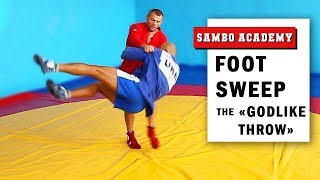
Foot sweep the most beautiful throw. How to do it correctly \ sambo academy
IVAN VASYLCHUK. SILA PARTERA