Ground Fighting Principles
The instructor emphasizes that ground fighting should be avoided when possible due to environmental hazards, weapons, and multiple attackers. However, when forced to engage on the ground, the priority is establishing control in a dominant position before attempting strikes.
Control-Based Striking Drill
The instructor introduces a pad drill where the grappler achieves or maintains control while a partner randomly signals (between 10-50 seconds) to freeze and assess position. The striker must first establish control or verify existing dominance before striking the pad simulating the opponent's head.
Hip Drive and Pressure Mechanics
From a mounted position with the knee against the opponent's hip, the instructor demonstrates driving the hips forward while pushing downward to maintain compression. The striker then executes a palm or hammer strike while maintaining this tight positional control.
Establishing Leg Control
When transitioning to strikes, the instructor stresses securing leg hooks to prevent the opponent from pushing away. Proper leg control must be established before striking, as premature strike attempts without this foundation allow the opponent to escape easily.
Positional Range and Strike Selection
Strike tools vary based on positional range: palm strikes, hammers, elbows, and fists are all viable options depending on distance and body alignment. The instructor notes that palm strikes are preferable from certain positions due to mechanical and defensive advantages.
Kinetic Chain and Power Generation
Power in ground strikes derives from lower body tension and ground connection rather than isolated arm movement. The instructor demonstrates that loose leg positioning reduces striking force and compromises the entire kinetic chain.
Hand Positioning and Self-Protection
Striking from positions where one hand is pinned or exposed compromises both offensive capability and defensive coverage. The instructor emphasizes that true positional control requires protecting both the striking hand and the non-striking hand before committing to strikes.
HOW TO STRIKE FROM THE GROUND!
Key Takeaways
- •Ground Fighting Principles
- •Control-Based Striking Drill
- •Hip Drive and Pressure Mechanics
- •Establishing Leg Control
ONLINE COURSES AND MORE INFO: www.schoolofselfprotection.com NEW COURSE ONLINE! https://schoolofselfprotection.thinkific.com/collections MERCHANDISE: https://school-of-self-protection.myspreadshop.nl/
Related Techniques
Frequently Asked Questions
What does this video teach about tkd ground position?
This video covers ground fighting principles, control-based striking drill, hip drive and pressure mechanics. It provides detailed instruction from URBAN COMBATIVES: SCHOOL OF SELF-PROTECTION.
How long does it take to learn tkd ground position?
The basic mechanics can be understood in a single session, but developing reliable execution requires consistent drilling over weeks of practice. This 7-part breakdown helps structure your training by isolating each phase of the technique.
What are the key details for finishing tkd ground position?
Power in ground strikes derives from lower body tension and ground connection rather than isolated arm movement. The instructor demonstrates that loose leg positioning reduces striking force and compromises the entire kinetic chain.
Related videos
The Best No Gi Guard Passing System On The Planet by Gordon Ryan
Bernardo Faria BJJ Fanatics
Taekwondo Reversing Mount & Passing Guard
Maximum Martial Arts University
Brazilian Jiujitsu technique: Mount transition
fightculturevision
Cyberdojang.com: Positioning - Transitioning to Side Mounts
Hwa Rang Do
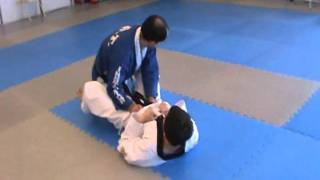
Grappling Drill F: Basic Grappling Positions.
Korean Academy of Taekwondo