Introduction to Collar Tie Defense
Kim Pramola introduces five defensive techniques against the collar tie, a common grappling control where an opponent secures the practitioner's neck with one arm. The collar tie is a versatile position used in wrestling and submission grappling that can set up various attacks or be employed for stalling.
Elbow Off Position Defense
The first defense involves the elbow off position, executed by gripping the opponent's arm with the thumb and middle finger while stepping the hips out and turning the head away. To set up this escape effectively, the practitioner should push into the opponent's grip to encourage a counter-pressure response, then drop level and penetrate forward. Common mistakes include failing to step out, change level, or properly turn the head away from the control.
Russian Tie Counter
The second defense utilizes the Russian tie, accomplished by parrying the opponent's controlling arm, stepping the back leg out, grabbing the wrist, and securing a two-on-one control position. The key points include dropping the hips while maintaining head pressure to prevent the opponent from escaping, rather than simply holding the arm without applying downward pressure and body weight.
Duck Underneath Escape
The third defense involves ducking underneath the collar tie after pushing into the opponent's grip to elicit a counter-pressure response. The practitioner should duck under the control rather than attempting to lift or throw it upward, which proves ineffective against a tight collar tie grip. Once underneath, the practitioner can establish proper positioning and penetrate.
Circling Defense with Head Control
The fourth method uses footwork and upper body positioning, where the practitioner circles while threading the inside hand and clubbing the opponent's head to create space. Movement of the feet is essential; relying solely on upper body strength against a strong opponent leads to fatigue. Continued motion forces the opponent to adjust their position rather than maintain static control.
Arm Straightening and Behind Position
The fifth defense straightens the arm against the opponent's collar tie grip, executes a grip transition with the thumb around, and drives behind the opponent. This technique is effective when the opponent drives in aggressively, as the practitioner can shove the arm back and circle to a behind position.
5 Ways to Defeat a Collar Tie Up
Key Takeaways
- •Introduction to Collar Tie Defense
- •Elbow Off Position Defense
- •Russian Tie Counter
- •Duck Underneath Escape
Go to http://www.bjjimmersion.com for more
Related Techniques
Frequently Asked Questions
What does this video teach about collar tie?
This video covers introduction to collar tie defense, elbow off position defense, russian tie counter. It provides detailed instruction from kenprimo.
How long does it take to learn collar tie?
The basic mechanics can be understood in a single session, but developing reliable execution requires consistent drilling over weeks of practice. This 6-part breakdown helps structure your training by isolating each phase of the technique.
What are the key details for finishing collar tie?
The fourth method uses footwork and upper body positioning, where the practitioner circles while threading the inside hand and clubbing the opponent's head to create space. Movement of the feet is essential; relying solely on upper body strength against a strong opponent leads to fatigue. Continued motion forces the opponent to adjust their position rather than maintain static control.
Related videos
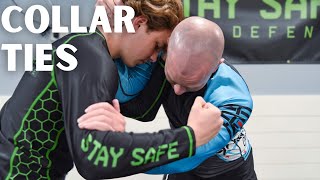
How to Deal with a Collar Tie
Stay Safe Martial Arts

Head Bounced Off the Wall in Sparring | Clinch and Wrist Control Details for Dirty Boxing
hard2hurt
Underhook to Front Headlock Attacks
RuizCombatGrappling
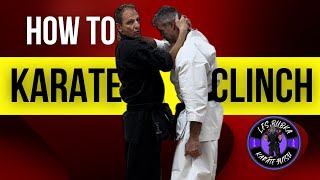
How to Clinch in Karate
All Round Karate Guildford
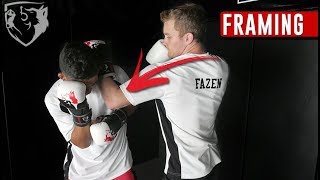
Hand & Arm Manipulations: Framing, Posts, Measure, Etc.
fightTIPS