Problem Statement: Escaping Heavy Side Control
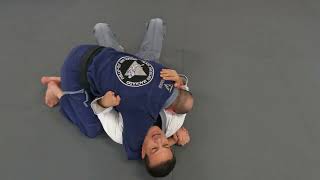
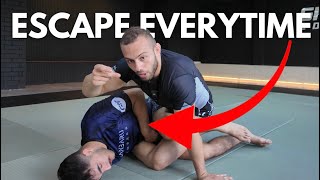
The instructor addresses a common problem faced by smaller or lighter practitioners: being pinned in tight side control by a significantly heavier opponent. When a skilled grappler achieves a locked-down side control position, traditional escape techniques often prove low-percentage or ineffective. The focus of this instruction shifts from attempting escapes to first repositioning the arms into a functional position.
Arm Positioning as Priority
Before attempting standard side control escapes, the fundamental priority is recovering arm position from a compromised state where neither arm can effectively push or pull. This intermediate repositioning phase can consume most of the escape time, sometimes taking a minute or more of incremental progress. The instructor emphasizes that the battle is won through gradual positional recovery rather than sudden escape technique.
Bridge and Chop Method
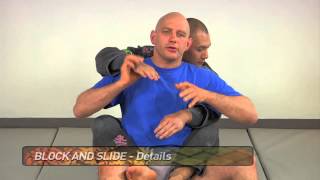
The instructor demonstrates bridging while simultaneously executing a clubbing motion with the upper arm to create space and reposition the trapped arms. The practitioner lifts the legs, plants them close to the opponent, and bridges while chopping the arm into the armpit space. This movement sequence allows the trapped arms to return to a centered position between the practitioner and opponent.
Testing Water and Side-to-Side Movement
An alternative approach involves testing the opponent's pressure with small side-to-side weight shifts while using the feet to maintain leverage. The practitioner bridges out and resets repeatedly, gradually finding space to reposition. This method creates momentum exchanges where the opponent's counter-pressure unwittingly creates the opening needed.
Knee on Inside as Space Creator
When the opponent has superior upper body strength and a longer torso, placing the shin crest on the inside of their body can generate enough separation to realign and improve body position. This creates mechanical leverage that allows the practitioner to pry the opponent's upper body away. The technique works as a positional wedge rather than a forcing movement.
Counter-Weight and Bumping Technique
Creating counter-momentum by repeatedly bumping the hips in alternating directions forces the opponent to continuously reposition their weight. The practitioner uses their feet to shift weight side-to-side as if the floor is hot, which encourages the opponent to settle back into pressure—creating the necessary space for arm recovery. This technique exploits the opponent's reactive adjustments.
Forward-Back Rocking Against Jaw Pressure
When an opponent applies intense shoulder pressure directly into the jaw and face, a forward-and-back rocking motion with the hips can disrupt their control. Generating momentum through the legs and translating it upward through core tension helps dislodge overly committed pressure. This approach requires developed abdominal and core strength to execute effectively.
Core Conditioning for Positional Recovery
Core strength is essential for generating the hip and torso momentum needed during side control escapes and recovery. The instructors recommend practicing hip flexion curls while prone—curling the hips underneath the body and flexing through the torso with pointed toes. This conditioning directly translates to improved sweep execution and bottom position escapes in grappling.
Integrated Movement Strategy
Successful side control escape combines generating continuous small movements, strategic hand repositioning, and exploiting opponent reactions through counter-pressure. The sequence involves side-to-side motion to create space, inserting the knee when available, and simultaneously working the arms back into a functional center position. Success depends on sustained pressure and incremental progress rather than a single technique.
How to Escape a Really Tight Side Control
Key Takeaways
- •Problem Statement: Escaping Heavy Side Control
- •Arm Positioning as Priority
- •Bridge and Chop Method
- •Testing Water and Side-to-Side Movement
Stephan Kesting and Ritchie Yip take you through escaping a really tight side control! Download Stephan's guide to learning BJJ as fast as possible at http://www.grapplearts.com/book and also get daily BJJ emails with tips, tricks and techniques to help you on the mat Other good videos on escaping side control include https://www.youtube.com/watch?v=ygfnLjP6YQU https://www.youtube.com/watch?v=1iZjnbCun0A https://www.youtube.com/watch?v=iLg_TWLCihY and https://www.youtube.com/watch?v=jxiHY2AtG8w
Related Techniques
Frequently Asked Questions
What does this video teach about side control escape?
This video covers problem statement: escaping heavy side control, arm positioning as priority, bridge and chop method. It provides detailed instruction from Stephan Kesting.
How long does it take to learn side control escape?
The basic mechanics can be understood in a single session, but developing reliable execution requires consistent drilling over weeks of practice. This 9-part breakdown helps structure your training by isolating each phase of the technique.
What are the key details for finishing side control escape?
Core strength is essential for generating the hip and torso momentum needed during side control escapes and recovery. The instructors recommend practicing hip flexion curls while prone—curling the hips underneath the body and flexing through the torso with pointed toes. This conditioning directly translates to improved sweep execution and bottom position escapes in grappling.