Art Versus Combat Application
The instructor distinguishes between patterned Filipino martial arts as aesthetic forms and their practical combat application. While traditional techniques appear visually refined, real-world self-defense operates on different principles, emphasizing functional efficiency over form. The philosophy centers on eliminating unnecessary complexity when personal safety is at stake.
Principle of Continuous Control
Filipino martial arts employ a concept where all directional movements from a given position are mechanically valid. The instructor demonstrates that striking, blocking, and transitioning can occur from multiple angles without fundamental error, provided the practitioner maintains positional control. This adaptability allows practitioners to flow between techniques naturally.
Footwork and Distance Management
Proper footwork ensures the defender remains outside the opponent's striking range after executing defensive maneuvers. When stepping back or moving laterally during a block, the practitioner removes themselves from counterattack vulnerability. This distance principle eliminates the concept of incorrect defensive positioning when applied correctly.
Close-Range Grappling Integration
Upon closing distance and establishing control, the practitioner can transition seamlessly into grappling applications including locks and restraints. The blocking motion itself initiates contact necessary for clinch work. This integration of striking and grappling creates a cohesive system at intermediate range.
Safe Practice Framework
The instructor establishes a training methodology using forward and backward stepping with graduated contact. Partners take turns striking and blocking while maintaining controlled distance, building familiarity with timing and range. This method allows practitioners unfamiliar with each other to practice safely without predetermined patterns.
Multi-Directional Strike Combinations
Practitioners can generate continuous combinations by alternating strikes in vertical planes—upward, horizontal, and downward. Each directional transition flows naturally from proper footwork and body positioning. The system emphasizes that creative variation within these geometric planes maintains tactical validity.
Weapon-Based Training Principles
When training with traditional weapons such as daggers or sticks, the same geometric and distance principles apply. The instructor emphasizes that practitioners must develop genuine competency with their weapon rather than relying on choreographed disarms. Practical blade work requires understanding actual cutting ranges and trajectories.
Cultural Philosophy and Challenge
The instructor recounts declining a challenge from a Brazilian Jiu-Jitsu practitioner, emphasizing respect for cultural traditions over competitive validation. The anecdote illustrates the philosophy that true martial knowledge extends beyond sport competition. Cultural preservation and mutual respect take precedence over proving superiority.
The Essence Of Filipino Martial Arts
Key Takeaways
- •Art Versus Combat Application
- •Principle of Continuous Control
- •Footwork and Distance Management
- •Close-Range Grappling Integration
GM Oliver "Pintados" Garduce the essence behind Filipino Martial Arts. He talks about the differences between art and combat and how to train randomized patterns and be efficient.
Related Techniques
Frequently Asked Questions
What does this video teach about filipino martial art?
This video covers art versus combat application, principle of continuous control, footwork and distance management. It provides detailed instruction from Budo Brothers.
How long does it take to learn filipino martial art?
The basic mechanics can be understood in a single session, but developing reliable execution requires consistent drilling over weeks of practice. This 8-part breakdown helps structure your training by isolating each phase of the technique.
What are the key details for finishing filipino martial art?
When training with traditional weapons such as daggers or sticks, the same geometric and distance principles apply. The instructor emphasizes that practitioners must develop genuine competency with their weapon rather than relying on choreographed disarms. Practical blade work requires understanding actual cutting ranges and trajectories.
Related videos
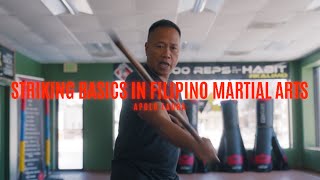
Striking Basics In Filipino Martial Arts
Budo Brothers
Negishi-ryu Shuriken-jutsu - 42nd Japanese Kobudo Demonstration (2019)
Aikido - Guillaume Erard
Ancient Roman Plumbata Part 2 (Techniques/Accuracy/Long Distance)
Adam Celadin
Shinto Muso Ryu Gyakute zuki
funkrelaxo
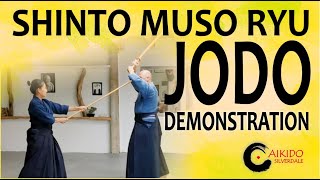
SHINTO MUSO RYU JODO DEMONSTRATION | JODO AUCKLAND
AIKIDO SILVERDALE