Introduction to Upper Body Wrestling
Brandon Willis of Brandon's Gym and Carlson Gracie Columbus introduces upper body wrestling drills, emphasizing their value across multiple fighting disciplines. The training develops both physical toughness and technical proficiency, making it essential for combat athletes.
Over-Under Position Fundamentals
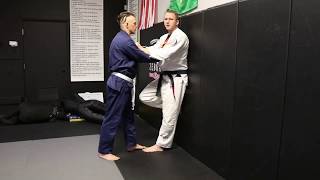
The over-under position forms the foundation of upper body wrestling, with one fighter controlling underneath on one side while the other controls over on the opposite side. The underneath fighter maintains control by pulling the elbow tight to the body, making it difficult for the opponent to penetrate with their free hand.
Foot Positioning and Base
Proper stance in the over-under position requires bent knees, feet shoulder-width apart, and one leg advanced between the opponent's legs rather than squared off or at distance. This athletic positioning creates stability and enables offensive and defensive transitions.
Double Under Position Transition
To achieve the dominant double under position, the wrestler squats while pushing the opponent's elbow inward, then swims the hand across the chest in a continuous motion. Once underneath, the wrestler can lower their level, clasp the opponent's hip, and pull them into controlled proximity.
Switch Drill Execution
The switch drill trains both fighters to recognize when they are losing position and execute simultaneous transitions. When one fighter begins to establish double unders and hip control, the losing fighter steps back and in while switching their arm position to prevent being controlled.
Hand and Elbow Mechanics
The hand placement uses the thumb in the bicep as a controlling point while squatting to create space. Once space opens, the hand is brushed across the chest and swum through in a tight, controlled motion before establishing the new grip.
Drill Progression and Repetition
The switch drill emphasizes continuous repetition and incremental improvement rather than perfect execution. Fighters alternate roles, with each partner working offensive and defensive techniques simultaneously while maintaining focus on foot placement and hand swimming mechanics.
Final Position Consolidation
When fighters meet again after a successful transition, the achieving wrestler sits their hips down and delivers a shoulder pressure to consolidate control. This drill serves as the foundational training method for initiating upper body wrestling exchanges.
Wrestling: The first lesson for wrestling “Upper Body” positions
Key Takeaways
- •Introduction to Upper Body Wrestling
- •Over-Under Position Fundamentals
- •Foot Positioning and Base
- •Double Under Position Transition
Related Techniques
Frequently Asked Questions
What does this video teach about upper body clinch?
This video covers introduction to upper body wrestling, over-under position fundamentals, foot positioning and base. It provides detailed instruction from Brandon's Gym.
How long does it take to learn upper body clinch?
The basic mechanics can be understood in a single session, but developing reliable execution requires consistent drilling over weeks of practice. This 8-part breakdown helps structure your training by isolating each phase of the technique.
What are the key details for finishing upper body clinch?
The switch drill emphasizes continuous repetition and incremental improvement rather than perfect execution. Fighters alternate roles, with each partner working offensive and defensive techniques simultaneously while maintaining focus on foot placement and hand swimming mechanics.