Introduction to Ashi Waza
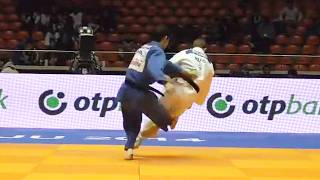
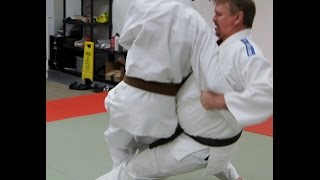
Ashi waza encompasses a comprehensive system of leg-based throwing techniques used in judo and related grappling arts. These techniques utilize the practitioner's legs to unbalance and project an opponent, exploiting leverage and positioning to create throws from various distances and angles. Mastery of ashi waza requires understanding footwork, timing, and proper weight distribution.
Foundational Leg Mechanics
Effective ashi waza execution depends on proper stance and leg positioning relative to the opponent. Practitioners must maintain balance while positioning their legs to intercept or sweep the opponent's movement. The mechanics involve coordinating hip movement with leg placement to maximize throwing force and control.
Distance Management and Entry
Successful leg technique execution requires practitioners to manage distance effectively and identify optimal entry points. Proper footwork allows the practitioner to close gaps and position the legs at the correct angle for technique application. Entry timing is critical, as premature or delayed execution significantly affects technique success.
Balance Disruption Principles
Ashi waza techniques function by disrupting the opponent's balance through leg contact and positioning. By breaking the opponent's base or intercepting their movement, practitioners create opportunities for throws. Understanding how to identify and exploit balance vulnerabilities is essential for consistent technique execution.
Upper Body Coordination
While leg-focused, ashi waza techniques require coordinated upper body movement to complement the leg action. Hand and arm positioning guide the opponent's upper body while leg techniques control the lower body. This integration of upper and lower body mechanics creates the complete throwing motion.
Variation and Adaptation
Ashi waza encompasses numerous variations that adapt to different opponent positions and defensive responses. Practitioners develop multiple options from similar entries to overcome defensive adjustments. Building versatility in ashi waza application increases effectiveness against experienced opponents.
Drilling and Repetition
Consistent practice of ashi waza techniques through structured drilling develops the muscle memory and timing necessary for proficient execution. Repetition builds speed and accuracy while allowing practitioners to internalize the proper mechanics. Progressive drilling from static positions to dynamic scenarios enhances practical application.
Ashi-waza (leg techniques) full set
Key Takeaways
- •Introduction to Ashi Waza
- •Foundational Leg Mechanics
- •Distance Management and Entry
- •Balance Disruption Principles
Ashi-waza (21 techniques) 1. Deashi-harai 2. Hiza-guruma 3. Sasae-tsurikomi-ashi 4. Osoto-gari 5. Ouchi-gari 6. Kosoto-gari 7. Kouchi-gari 8. Okuri-ashi-harai 9. Uchi-mata 10. Kosoto-gake 11. Ashi-guruma 12. Harai-tsurikomi-ashi 13. O-guruma 14. Osoto-guruma 15. Osoto-Otoshi 16. Tsubame-gaeshi 17. Osoto-gaeshi 18. Ouchi-gaeshi 19. Hane-goshi-gaeshi 20. Harai-goshi-gaeshi 21. Uchi-mata-gaeshi www.odawajudoclub.com
Related Techniques
Frequently Asked Questions
What does this video teach about foot-leg technique throw — ashi waza?
This video covers introduction to ashi waza, foundational leg mechanics, distance management and entry. It provides detailed instruction from Odawa Judo.
How long does it take to learn foot-leg technique throw — ashi waza?
The basic mechanics can be understood in a single session, but developing reliable execution requires consistent drilling over weeks of practice. This 7-part breakdown helps structure your training by isolating each phase of the technique.
What are the key details for finishing foot-leg technique throw — ashi waza?
Ashi waza encompasses numerous variations that adapt to different opponent positions and defensive responses. Practitioners develop multiple options from similar entries to overcome defensive adjustments. Building versatility in ashi waza application increases effectiveness against experienced opponents.