Bowing Fundamentals
Naginata practice begins with bowing, which has two primary forms. The first is performed from a standing position, while the second originates from seiza, the formal kneeling posture. Both establish foundational etiquette and readiness.
Chudan No Kamae Entry
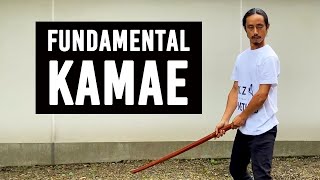
Chudan no kamae begins from chizentai stance with wrists touching the hips. The practitioner places both thumbs above the fists with the left hand over the right, then descends in a straight vertical motion while maintaining an upright posture. The body, neck, and entire structure must remain aligned with no tension in the shoulders or hands during descent.
Hasto No Kamae Position
Hasto no kamae requires maintaining a 90-degree angle between the elbow and buttocks without excessive tension. The rear hand must remain in contact with the hips rather than floating in the air. Practitioners transition between hasto and chudan by switching hand positions at the weapon's center.
Wha Kigamai Alignment
In wha kigamai, the naginata must remain parallel to the ground with precise horizontal alignment. The weapon transitions between positions by pivoting at the center point rather than angling upward or downward. Hand positioning should maintain centered control without gripping excessively.
Jodan No Kamae Form
Jodan no kamae maintains an elbow angle between straight and slightly flexed, positioned between extremes of full extension and excessive bend. The rear hand remains close to the body without moving inward excessively, a common error among practitioners. The naginata must stay centered in the grip, avoiding lateral deviation.
Gedan No Kamae Lower Guard
Gedan no kamae requires the front hand to maintain approximately 90 degrees or slightly more, while the rear hand remains straight without exceeding this angle limit. Both hands must stay aligned vertically rather than angling inward toward the body. Proper alignment prevents structural weakness and maintains defensive readiness.
NAGINATA BASICS - 01 KAMAE (Stance)
Key Takeaways
- •Bowing Fundamentals
- •Chudan No Kamae Entry
- •Hasto No Kamae Position
- •Wha Kigamai Alignment
How to do correct kamae in Naginata. By Gur Nedzvetsky, 3rd dan.
Related Techniques
Frequently Asked Questions
What does this video teach about kamae — stance?
This video covers bowing fundamentals, chudan no kamae entry, hasto no kamae position. It provides detailed instruction from Naginata Israel.
How long does it take to learn kamae — stance?
The basic mechanics can be understood in a single session, but developing reliable execution requires consistent drilling over weeks of practice. This 6-part breakdown helps structure your training by isolating each phase of the technique.
What are the key details for finishing kamae — stance?
Jodan no kamae maintains an elbow angle between straight and slightly flexed, positioned between extremes of full extension and excessive bend. The rear hand remains close to the body without moving inward excessively, a common error among practitioners. The naginata must stay centered in the grip, avoiding lateral deviation.