Introduction to Clinch Takedowns
Instructor Roy Marsh introduces two fundamental takedown techniques from the clinch position: the body fold and leg fold takedowns. These techniques are presented as the foundational one-two combination of clinch takedowns, proven effective across MMA, self-defense, and combat sports applications.
Establishing Proper Clinch Position
The clinch begins by pushing the opponent's hands down and stepping in with the outside leg to establish connection. Critical to proper clinch positioning is maintaining full body contact from shoulder through hip, rather than relying on hand grips alone. The instructor emphasizes creating a 'line of contact' rather than isolated points of contact to prevent the opponent from creating separation.
Clinch Grip and Hip Control
Once body-to-body contact is achieved, the practitioner locks the hands using a gable grip, ball of hook grip, or S-grip depending on body type and preference. Maintaining tight hip connection prevents the opponent from creating distance for strikes or hip escapes. The practitioner's stance remains open and bent with a solid base, allowing mobility while maintaining control.
Maintaining Clinch Control
The most critical aspect of clinch work is maintaining the position once established, as poor clinch retention negates effective entries. The opponent will typically attempt to punch free or create hip distance to regain striking range. Positioning should remain slightly three-quarter to the side, balancing control with defensive coverage of the face.
Reading Posture to Select Takedown
Effective takedown selection depends on reading the opponent's posture and leg position rather than forcing a predetermined technique. When the opponent maintains a square foot position and upright or slightly leaning posture, the body fold takedown becomes the appropriate choice. This reactive approach aligns with the principle of efficient, lazy jiu-jitsu.
Body Fold Takedown Mechanics
The body fold begins with the practitioner backing their hips slightly while simultaneously pushing with the head and pulling with the arms to bend the opponent forward. Rising onto the toes allows the practitioner to scoop the opponent's hips deeply while driving their head downward through the motion. As the opponent falls, the grip transitions to cupping the back to prevent the opponent from landing too far away.
Landing Position and Control
Proper landing requires the practitioner to descend with the opponent rather than simply driving them to the mat. The knees and elbows connect while the practitioner sits above the opponent's thigh, maintaining proximity. This positioning prevents the opponent from immediately escaping, creating opportunities for guard passage or maintaining top control.
Post-Takedown Positioning
After executing the takedown, the practitioner should transition into a controlled position by stepping in front of the opponent if positioned to the side during the takedown. The head positioning should be checked to prevent exposure, and the practitioner should drop with the opponent while maintaining control rather than standing up, which facilitates opponent escape.
Reactive Application from Strikes
The body fold takedown can be seamlessly integrated into live exchanges, particularly following the practitioner's clinch entry after absorbing or slipping an incoming punch. The timing and execution remain consistent, demonstrating the technique's reliability across different combat scenarios. This application reinforces the importance of clinch proficiency as a bridge between striking and takedown phases.
Two Fundamental Takedowns from the Clinch
Key Takeaways
- •Introduction to Clinch Takedowns
- •Establishing Proper Clinch Position
- •Clinch Grip and Hip Control
- •Maintaining Clinch Control
These are two fundamental self defense takedowns from the Clinch
Related Techniques
Frequently Asked Questions
What does this video teach about from clinch?
This video covers introduction to clinch takedowns, establishing proper clinch position, clinch grip and hip control. It provides detailed instruction from roymarsh jiujitsu.
How long does it take to learn from clinch?
The basic mechanics can be understood in a single session, but developing reliable execution requires consistent drilling over weeks of practice. This 9-part breakdown helps structure your training by isolating each phase of the technique.
What are the key details for finishing from clinch?
After executing the takedown, the practitioner should transition into a controlled position by stepping in front of the opponent if positioned to the side during the takedown. The head positioning should be checked to prevent exposure, and the practitioner should drop with the opponent while maintaining control rather than standing up, which facilitates opponent escape.
Related videos
How To DOMINATE THE CLINCH in UFC 5 (CLINCH GUIDE) | EA SPORTS UFC 5
IC4Games
Dominate the Muay Thai Clinch with Petchboonchu
fightTIPS
Jiu-Jitsu Submissions | Lots of Closed Guard Submissions
Knight Jiu-Jitsu
Elevated Basics: The Ultimate No-Gi Closed Guard Guide
IsakIvanovicjj
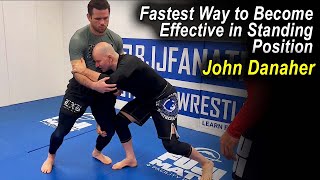
John Danaher - Fastest Way to Become Effective in Standing Position
Bernardo Faria BJJ Fanatics