Introduction to Kin Geri
Kin geri, the groin kick, serves as the foundational technique in karate for MMA applications. Though not practiced as a striking target in training, mastering this kick teaches the fundamental mechanics underlying all karate kicks. Understanding its mechanics unlocks the proper execution of advanced techniques.
The Chamber: Distinguishing Karate from Other Striking Arts
The chamber—the deliberate raising of the knee before extension—is the defining characteristic that separates Kyokushin karate kicks from traditional kickboxing and Muay Thai techniques. Nearly every karate kick originates from this chambering position, making it the most critical element to understand. The chamber generates power through the pendulum motion of the leg snap.
Chambering in Front Kicks and Round Kicks
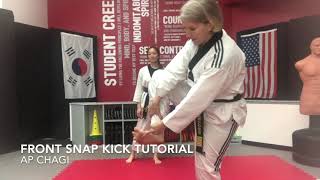
Both front kicks and round kicks (mawashi giri) employ identical chambering mechanics: the knee pulls upward, extends fully, then retracts to the starting position. This consistent approach across different kick variations emphasizes the universality of proper chamber technique. Practitioners must develop consistent knee height and extension quality to generate maximum power.
Proper Stance and Chamber Execution
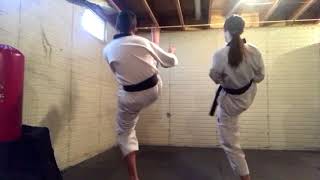
Begin in a balanced fighting stance with 50-50 weight distribution and proper posture. Raise the back leg's knee upward, attempting to bring the heel toward the hamstring, then extend the leg and return to stance. This repetitive motion, performed with focus on control rather than speed, builds the neuromuscular patterns required for all karate kicks.
The Line Drill: Foundational Training Method
The line drill involves performing kin geri repeatedly across the length of the training space, starting slowly to ensure proper form and balance. Practitioners must execute the technique on both legs equally to develop bilateral competency before progressing to advanced kicks. This drill should be performed during warm-up or cool-down phases of training.
Key Principles: Balance, Chamber, and Recovery
The most critical elements are maintaining balance throughout the technique, achieving proper knee elevation, executing a sharp leg extension, and returning quickly to fighting stance. This return to ready position ensures the practitioner can immediately follow with additional strikes or defensive movements. Rushing this foundational work compromises the development of advanced techniques.
Extended Practice and Consistency
Dedicated practitioners should incorporate the line drill into every training session, dedicating significant time to this fundamental technique before advancing to flashier combinations. Traditional Kyokushin karate training devoted 90-minute sessions partially to chamber development, reflecting its importance. Consistent, patient practice of this foundation is essential for achieving proper Kyokushin karate and Taekwondo kicking mechanics.
Kin Geri. Karate for MMA. Episode 2. The first kick you should learn.
Key Takeaways
- •Introduction to Kin Geri
- •The Chamber: Distinguishing Karate from Other Striking Arts
- •Chambering in Front Kicks and Round Kicks
- •Proper Stance and Chamber Execution
Kin Geri tutorial! This is the first kick you learn as a whitebelt, and there is a reason for it! So enjoy the first tutorial video of my channel and step your kicking game up! Instagram: https://www.instagram.com/neromma/?hl=sv donations: https://www.paypal.me/neromma
Related Techniques
Frequently Asked Questions
What does this video teach about kin geri?
This video covers introduction to kin geri, the chamber: distinguishing karate from other striking arts, chambering in front kicks and round kicks. It provides detailed instruction from NeroMMA.
How long does it take to learn kin geri?
The basic mechanics can be understood in a single session, but developing reliable execution requires consistent drilling over weeks of practice. This 7-part breakdown helps structure your training by isolating each phase of the technique.
What are the key details for finishing kin geri?
The most critical elements are maintaining balance throughout the technique, achieving proper knee elevation, executing a sharp leg extension, and returning quickly to fighting stance. This return to ready position ensures the practitioner can immediately follow with additional strikes or defensive movements. Rushing this foundational work compromises the development of advanced techniques.