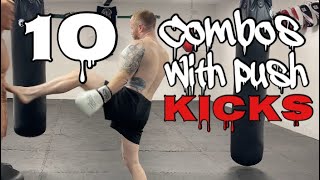
Introduction to Kansetsu Geri
Kansetsu geri, commonly known as the stomp kick, is a fundamental technique in traditional karate with practical applications across multiple martial disciplines. This instructional guide covers the two most widely utilized variations: the outside stomp kick and the inside stomp kick, both of which demonstrate versatility in sparring and self-defense contexts.
Foundation Stance and Setup
Practitioners should begin in a square stance with hands positioned at the hips or belt. This neutral position establishes proper alignment and balance, allowing for clean execution of both kick variations without unnecessary movement.
Outside Stomp Kick Mechanics
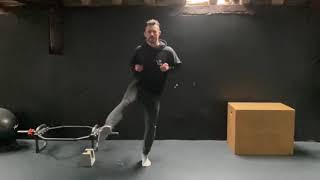
The outside stomp kick begins with the rear leg lifting until the foot aligns with the side of the knee. The kick extends forward and slightly outward, with power generated through heel-first contact rather than blade-of-foot striking. The toes point upward throughout the motion, and the leg returns to the starting position in one fluid cycle.
Inside Stomp Kick Mechanics
The inside stomp kick initiates identically to the outside variation but executes inward, creating a nearly crossed-leg position at full extension. Also driven by the heel with upward-pointing toes, this variation is sometimes called the cross stomp kick and requires practitioners to focus on the parallel knee alignment during the drive phase.
Advanced Technique: The Scoop Motion
As proficiency develops, practitioners should integrate a scooping motion with the inside of the leg, replacing rigid straight-line mechanics. This advanced refinement transitions the technique from basic striking to applications including leg sweeps and defensive leg checks that intercept incoming attacks.
Defensive Applications and Interception
The scoop motion enables two primary defensive functions: sweeping an opponent's supporting leg when they commit to a front kick, and deflecting incoming front kicks by directing the attack away from the center. These applications demonstrate the stomp kick's value beyond direct striking as a tactical defensive tool.
Power Generation Through Body Mechanics
Advanced practitioners should bend the stationary leg's knee while executing the kick, creating greater driving force than upper-body striking alone. This lower-body engagement, combined with slight backward body lean, channels force from the heel through the opposite shoulder, maximizing power transfer and range of motion.
Application Distinctions and Safety
While the stomp kick's knee-targeting capacity makes it effective for self-defense situations, these techniques should be executed as light defensive checks during sparring to avoid injury. The progressive nature of training—beginning with basic mechanics and advancing to sophisticated body mechanics—ensures controlled skill development appropriate to each context.
Kansetsu Geri (Stomp Kick) used in traditional Karate.
Key Takeaways
- •Introduction to Kansetsu Geri
- •Foundation Stance and Setup
- •Outside Stomp Kick Mechanics
- •Inside Stomp Kick Mechanics
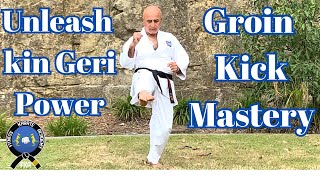
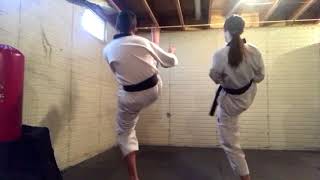
The Stomp Kick or Kansetsu Geri (instruction at 1:09) used in Karate is a devastating attack used to destroy the lower limbs/ knees. Most Traditional Karate systems have these kicks and it’s likely because they work well no matter the size of your opponent. Check it out! #martialarts #karate #muaythai #mma #kickboxing #boxing #gojuryu #uechiryu #shotokan #judo #fighting #selfdefense #mma #kobudo #practicalkarate #kungfu #wkf #wrestling #karateka #jiujitsu #sparring #grappling #bunkai #shurite #shorinryu #shobukan #taekwondo #bjj #jeetkunedo #gojuninja
Related Techniques
Frequently Asked Questions
What does this video teach about kansetsu geri?
This video covers introduction to kansetsu geri, foundation stance and setup, outside stomp kick mechanics. It provides detailed instruction from Goju Ninja.
How long does it take to learn kansetsu geri?
The basic mechanics can be understood in a single session, but developing reliable execution requires consistent drilling over weeks of practice. This 8-part breakdown helps structure your training by isolating each phase of the technique.
What are the key details for finishing kansetsu geri?
Advanced practitioners should bend the stationary leg's knee while executing the kick, creating greater driving force than upper-body striking alone. This lower-body engagement, combined with slight backward body lean, channels force from the heel through the opposite shoulder, maximizing power transfer and range of motion.