Uchi Mata Counter Drill Overview
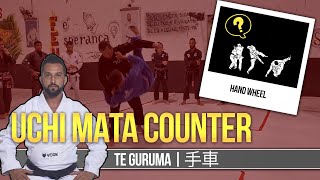
This drill focuses on countering the ko soto gake (outside leg hook) with an uchi mata throw. The instructor explains that when an opponent attacks with ko soto gake, the defender can immediately counter with uchi mata, making it an effective and commonly used response in judo.
Mechanics of the Counter
As the opponent commits to the ko soto gake by extending their leg to hook, the defender senses this movement and initiates the uchi mata counter. The key is recognizing the opponent's hip position and the feel of their leg coming across, then responding with the counter throw immediately.
Drill Structure and Progression
The drill begins cooperatively, with the uke (person being thrown) providing minimal resistance as they execute the ko soto gake attack. As practice continues, the intensity increases, with uke becoming more aggressive and committed, requiring tori (thrower) to execute a cleaner, more reactive counter.
Timing and Sensitivity
The instructor emphasizes that the counter should not wait until the ko soto gake is fully established. Instead, tori must respond as soon as they visually detect the approaching hip or feel the leg beginning to hook, triggering an immediate counter rather than allowing the opponent to fully execute their technique.
Technical Execution Details
The uchi mata counter in this context relies primarily on leg-driven mechanics rather than extensive hip movement. The throw can be executed effectively with minimal hip engagement, making it a practical response that capitalizes on the opponent's forward momentum and commitment to their attack.
Developmental Benefits
Beyond serving as a defensive counter, this drill is an excellent method for beginners to learn and develop uchi mata technique. Structured drill training with varying intensity levels helps practitioners develop proper reflexive responses and build the sensitivity needed for effective judo techniques.
Proven Effectiveness
The uchi mata counter to ko soto gake has demonstrated success across many years of judo practice and competition. This technique combination remains a reliable and time-tested response to outside leg hook attacks in modern judo.
UCHI MATA COUNTER TO KO SOTO GAKE
Key Takeaways
- •Uchi Mata Counter Drill Overview
- •Mechanics of the Counter
- •Drill Structure and Progression
- •Timing and Sensitivity
This video shows an Uchi Mata counter against an opponent's Ko Soto Gake or outside leg hook attack. The Welcome Mat athletes are drilling on this skill on the crash pads. This is a basic skill that shouldn't be take for granted. Coaching commentary by Steve Scott.
Related Techniques
Frequently Asked Questions
What does this video teach about uchi mata counter?
This video covers uchi mata counter drill overview, mechanics of the counter, drill structure and progression. It provides detailed instruction from welcomematstevescott.
How long does it take to learn uchi mata counter?
The basic mechanics can be understood in a single session, but developing reliable execution requires consistent drilling over weeks of practice. This 7-part breakdown helps structure your training by isolating each phase of the technique.
What are the key details for finishing uchi mata counter?
Beyond serving as a defensive counter, this drill is an excellent method for beginners to learn and develop uchi mata technique. Structured drill training with varying intensity levels helps practitioners develop proper reflexive responses and build the sensitivity needed for effective judo techniques.