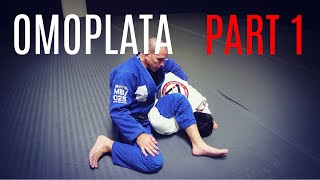
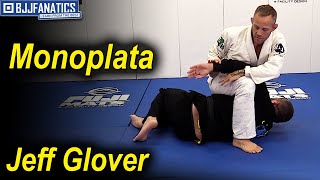
Introduction to the Omoplata Lock
The omoplata is one of the easier positions to achieve but significantly more difficult to finish. Rather than solely pursuing the submission, experienced practitioners use it to capitalize on opponent reactions and transition to stronger finishing positions.
Entry from Closed Guard
The omoplata is typically initiated from closed guard by securing an overhook, working the hips to the side, placing the opposite leg on the opponent's hip, and bringing the back leg over while pinching the shoulder. A solid grip on the shoulder is essential to prevent immediate escape.
Hand Positioning and Leg Placement
After establishing the initial position, the overhook hand transitions to control the opponent's wrist or sleeve, tucking it tightly between the practitioner's hip and side. The top leg is then placed firmly on the mat—either by flexibility or by pushing the opponent's head and replacing it with the foot.
Securing the Position with Forearm and Knee Control
Once the foot is placed on the mat, the practitioner works up onto their forearm while maintaining the tight wrist pinch. The bottom foot is adjusted slightly and both knees are pinched together to redirect pressure toward the opponent's shoulder, while the hand can optionally grip the far side for additional control.
Countering Common Defenses
The position eliminates two primary escapes: the opponent cannot hop over without hitting the practitioner's back, and posturing becomes difficult. By scooping behind the opponent's knee and switching the feet position, the practitioner further prevents both escape routes and can drive weight over the opponent's back to apply finishing pressure.
Finishing the Submission
Once control is established with proper foot positioning and weight distribution, the practitioner drives the front knee straight down to secure the tap. The key throughout is maintaining the tight wrist control and consistent pressure on the shoulder.
Reacting to Posturing
When the opponent postures immediately, the practitioner can release the leg, hook with the back leg, and transition to a triangle or armbar. This creates a submission series that forces the opponent to address multiple threats, allowing the practitioner to catch an opening.
Reacting to the Roll-Over Defense
If the opponent hops over and rolls through to secure side control, the defense is similar to countering a standard roll escape. The practitioner should focus on climbing the opponent's body and attacking from the resulting position, with the initial wrist grip remaining critical throughout the transition.
Learn How To Lock In The Perfect Omoplata Submission
Key Takeaways
- •Introduction to the Omoplata Lock
- •Entry from Closed Guard
- •Hand Positioning and Leg Placement
- •Securing the Position with Forearm and Knee Control
The Omoplata is one of the easier submissions to get to, but hard to finish. Pay attention to these key details in order to secure the perfect omoplata submission. Check out Combat Corner for all of your fighting gear needs: www.combatcorner.com Social Media: Instagram: https://www.instagram.com/davidheineman90/ Tik Tok: https://www.tiktok.com/@davidheineman90 Facebook: https://www.facebook.com/staysafesd #staysafemartialarts #bjj #omoplata #submissiongrappling
Related Techniques
Frequently Asked Questions
What does this video teach about omoplata lock?
This video covers introduction to the omoplata lock, entry from closed guard, hand positioning and leg placement. It provides detailed instruction from Stay Safe Martial Arts.
How long does it take to learn omoplata lock?
The basic mechanics can be understood in a single session, but developing reliable execution requires consistent drilling over weeks of practice. This 8-part breakdown helps structure your training by isolating each phase of the technique.
What are the key details for finishing omoplata lock?
When the opponent postures immediately, the practitioner can release the leg, hook with the back leg, and transition to a triangle or armbar. This creates a submission series that forces the opponent to address multiple threats, allowing the practitioner to catch an opening.