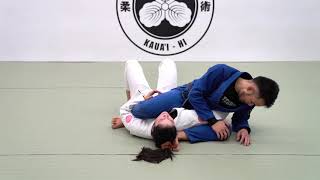
Introduction to Omoplata Fundamentals
The omoplata is a versatile shoulder lock that offers multiple entry points and finishing options. This technique is particularly effective when the opponent is stalling in a closed or neutral position, as it allows the practitioner to attack a single limb with high-percentage success.
Entry from Stalled Position
When the opponent resists opening their guard, establish a two-on-one grip on the tricep. Roll the arm up the body with both hands, then shrimp the hips out and lean the head away to create space. Once the foot passes over the shoulder, secure the belt control and wrist grip to lock in the omoplata.
Open Guard Entry with Sleeve Control
From open guard while controlling both sleeves, attack the omoplata when the opponent's hand drops near the hip. Slide the knee past the opponent's shoulder and use it to pull the shoulder toward you, establishing the proper angle. Secure the position and transition to the finish.
Lasso Guard Transition
When the opponent slips their elbow during the knee-past-shoulder entry, transition to the lasso guard position. Move to the collar grip to control the opponent's posture, then quickly switch to an elbow-tricep grip. Pull with both arms while straightening the leg to bring it past the shoulder and complete the omoplata.
Butterfly Guard to Omoplata
From butterfly guard, initiate a sweep attempt using an overhook while controlling the belt area. If the opponent sits back their hips and establishes a strong base to defend the sweep, immediately transition to the omoplata by extending the leg over the shoulder. The opponent's focus on sweep defense creates an opening for this seamless conversion.
Managing Omoplata Lock-Down Resistance
When the opponent prevents the foot from locking beneath the opposite thigh, sit up and manually guide the foot into position. If the opponent grips the foot to prevent lockdown, reach under the opponent's knee and pull the foot back through to reset the position.
Cross-Sleeve Entry with Breakdancer Position
From a cross-sleeve grip while reaching under the opponent's leg, open the hips and transition to a breakdancer position by coming up on the shoulder with feet on the mat. Kick the foot high near the opponent's shoulder and rotate the body, or use the shoulder as a bridge to generate momentum for passing over.
Countering Knee Defense
When the opponent elevates their knee and positions it on the outside to block lasso attempts, shift the hips out and establish a shin-to-shin position underneath. Pull with the arms while kicking the leg out, then quickly transition to the omoplata while maintaining hand control in the armpit pocket.
BJJ Techniques | Omoplata Series Part 1 | CVBJJ Online
Key Takeaways
- •Introduction to Omoplata Fundamentals
- •Entry from Stalled Position
- •Open Guard Entry with Sleeve Control
- •Lasso Guard Transition
3rd degree black belt Anthony Mantanona shows several entries into the shoulder lock, or omoplata. This is a favorite technique of Professor Mantanona's, and excellent against much larger and stronger opponents in BJJ, Judo, Jujitsu, and MMA. Coachella Valley Brazilian Jiu Jitsu and Judo is dedicated to health, excellence, and community. Come join us on the mat next time you're near Palm Springs, California. Come Train: http://cvbjj.com Facebook: https://www.facebook.com/cvbjj/ Instagram 1: https://www.instagram.com/teamcvbjj Instagram 2: https://www.instagram.com/mantanona_crew/ #bjj #omoplata #submission Thanks for watching BJJ Techniques | Omoplata Series Part 1 | CVBJJ Online
Frequently Asked Questions
What does this video teach about standard omoplata?
This video covers introduction to omoplata fundamentals, entry from stalled position, open guard entry with sleeve control. It provides detailed instruction from CVBJJ Online.
How long does it take to learn standard omoplata?
The basic mechanics can be understood in a single session, but developing reliable execution requires consistent drilling over weeks of practice. This 8-part breakdown helps structure your training by isolating each phase of the technique.
What are the key details for finishing standard omoplata?
From a cross-sleeve grip while reaching under the opponent's leg, open the hips and transition to a breakdancer position by coming up on the shoulder with feet on the mat. Kick the foot high near the opponent's shoulder and rotate the body, or use the shoulder as a bridge to generate momentum for passing over.