Hip Positioning Through Turning Action
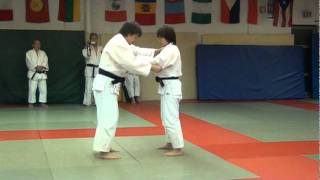
The tourniquet or Ticevaki turning action is essential for establishing proper hip position during Okuri Ashi Barai. The practitioner must use a back step followed by a turning motion to allow the hips to drive the technique. This hip positioning precedes and enables the leg sweep that follows.
Drawing Motion and Ankle Placement
The technique employs a drawing action similar to a karaoke motion, where the practitioner steps in and uses a soft, back-step-like movement to draw the opponent's ankle from a specific angle. This pulling action creates the foundation for executing the sweep.
Timing and Rhythm Development
Timing and rhythm are essential elements of Okuri Ashi Barai execution. Developing proper rhythm requires extensive repetition and movement practice. The technique should flow with a dance-like quality rather than occurring as a static, isolated movement.
Step Back, Turn, and Sweep Sequence
The basic execution sequence consists of stepping back, turning into the opponent, and executing the sweep. As the practitioner steps backward while drawing the opponent back into the turning motion, the opponent becomes positioned for the sweep technique.
Initial Positioning for Optimal Range
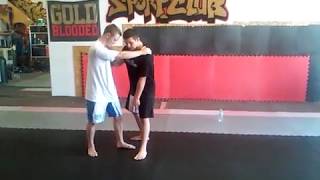
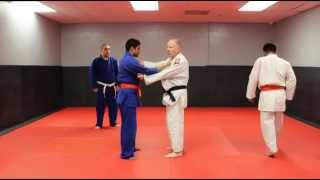
The practitioner should begin slightly offset—approximately a half-step behind the opponent's normal squared stance—rather than directly facing them. This positioning ensures that the opponent's foot is already in the correct placement when the backward step occurs, eliminating the need to reach around.
Solo Drilling Pattern
A fundamental drill involves practicing the movement pattern alone without a partner: step back, turn, and sweep in fluid repetition. This solo practice develops the proper timing and rhythm necessary for effective execution against resistance. The practitioner should focus on maintaining a flowing, continuous motion throughout the sequence.
DRAWING OKURI ASHI BARAI
Key Takeaways
- •Hip Positioning Through Turning Action
- •Drawing Motion and Ankle Placement
- •Timing and Rhythm Development
- •Step Back, Turn, and Sweep Sequence
Okuri Ashi Barai (Sliding or Send-After Foot Sweep) is one of the most effective throwing techniques used in any combat sport. IN this video, Coach Steve Scott explains one of the many footwork patterns used in this throw. View hundreds of videos of judo, freestyle judo, Shingitai Jujitsu, sambo, submission grappling and sport jujitsu on our Youtube channel at http://youtube.com/user/welcomematstevescott. The Welcome Mat Judo-Jujitsu Club was founded in 1969. Please subscribe to our Youtube channel if you have not done so already. Visit our web sites at http://www.WelcomeMatJudoClub, http://www.judoblackbelt.com and visit our online store at http://www.WelcomeMatStore.com. Join our premium channel at http://www.grapplingcoach.us. Thank you for watching our video.
Frequently Asked Questions
What does this video teach about okuri ashi barai?
This video covers hip positioning through turning action, drawing motion and ankle placement, timing and rhythm development. It provides detailed instruction from welcomematstevescott.
How long does it take to learn okuri ashi barai?
The basic mechanics can be understood in a single session, but developing reliable execution requires consistent drilling over weeks of practice. This 6-part breakdown helps structure your training by isolating each phase of the technique.
What are the key details for finishing okuri ashi barai?
The practitioner should begin slightly offset—approximately a half-step behind the opponent's normal squared stance—rather than directly facing them. This positioning ensures that the opponent's foot is already in the correct placement when the backward step occurs, eliminating the need to reach around.