Introduction to Half Guard Upa
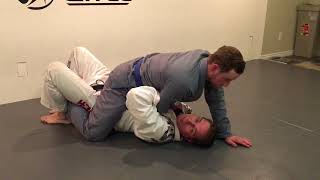
The half guard upa is a fundamental escape technique used when an opponent has established top position with their leg threaded through the practitioner's half guard. This explosive hip movement allows the bottom player to reverse position and achieve dominant control. Mastering this technique is essential for any grappler seeking to neutralize top pressure.
Establishing Base and Grip
The practitioner begins by establishing a solid base with both feet planted firmly on the mat. A collar grip or underhook on the opponent's near arm is secured to control their upper body movement. This foundation prevents the opponent from base-widening or posting effectively during the escape attempt.
Hip Bridge Mechanics
The practitioner drives their hips upward explosively while maintaining the grip control established in the previous position. This hip bridge motion generates tremendous force through the posterior chain, lifting the opponent's weight off the ground. The explosion must be timed with the grip pressure to maximize the reversal opportunity.
Underhook Control and Shoulder Pressure
As the hips bridge, the practitioner drives their shoulder into the opponent's chest while deepening the underhook. This shoulder pressure prevents the opponent from posting and maintains the backward momentum. The combination of hip drive and shoulder control creates an overwhelming mechanical advantage.
Hip Rotation and Transition
Following the initial bridge, the practitioner rotates their hips laterally while maintaining underhook control to transition toward side control or mount position. This rotation uses the opponent's own weight distribution against them. The motion should be continuous and fluid to prevent the opponent from re-establishing base.
Finishing Position and Control
The practitioner secures side control or mount by keeping the opponent's arm trapped and their hips tight against the mat. Proper positioning prevents the opponent from shrimping or bridging back. The reversal is now complete with full control established from a dominant position.
Common Mistakes and Corrections
Practitioners should avoid losing grip control during the bridge, as this allows the opponent to base out and prevent the reversal. The hip drive must originate from the lower body rather than upper body tension. Timing the explosion with grip pressure is critical for technical execution.
Drilling and Application
The half guard upa should be practiced initially against minimal resistance to develop proper mechanics and muscle memory. Progressive drilling against resisting partners builds practical competency and timing awareness. Regular repetition ensures the technique becomes an instinctive response when trapped in half guard.
Half Guard Upa
Key Takeaways
- •Introduction to Half Guard Upa
- •Establishing Base and Grip
- •Hip Bridge Mechanics
- •Underhook Control and Shoulder Pressure
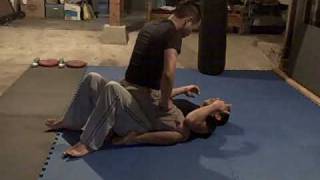
A bunch of upa from half guard
Related Techniques
Frequently Asked Questions
What does this video teach about half upa?
This video covers introduction to half guard upa, establishing base and grip, hip bridge mechanics. It provides detailed instruction from GracieGarage.
How long does it take to learn half upa?
The basic mechanics can be understood in a single session, but developing reliable execution requires consistent drilling over weeks of practice. This 8-part breakdown helps structure your training by isolating each phase of the technique.
What are the key details for finishing half upa?
Practitioners should avoid losing grip control during the bridge, as this allows the opponent to base out and prevent the reversal. The hip drive must originate from the lower body rather than upper body tension. Timing the explosion with grip pressure is critical for technical execution.