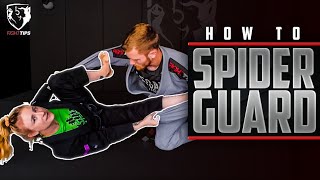
Introduction
Dedeku and his partner John present a comprehensive guide to the sit-up guard, starting with foundational positioning and progressing to fundamental sweeping techniques. This instructional series addresses common mistakes and emphasizes proper mechanics for effective guard control.
Two Entry Paths to Sit-Up Guard
The sit-up guard can be accessed through two primary scenarios: the practitioner deliberately transitions their opponent into the position, or the opponent's attack creates an opening for the transition. Understanding both entry paths enables adaptability in live rolling situations.
Entry from Three-Shield Guard
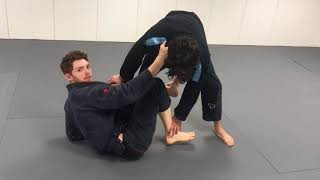
The most efficient transition begins from the three-shield (or butterfly) guard with one hook positioned on the opponent's shoulder. Before sitting up, the practitioner controls the opponent's pants to prevent backward movement and maintain proximity during the transition.
Proper Sit-Up Guard Positioning
Rather than sitting directly in front of the opponent, the practitioner should position themselves at an angle with the elbow open and extended. This angled positioning, combined with maintained pants control, prevents the opponent from creating distance and escaping the guard.
Knee Placement and Base Control
The hook knee must remain outside the opponent's ribcage to prevent them from applying downward pressure and passing the guard. Maintaining control of the opponent's belt or fabric while keeping an open elbow provides the foundation for all sweeping techniques.
Basic Sweep Mechanics: Push vs. Pull
The fundamental sweep utilizes a pushing motion against the opponent's hip rather than a pulling action. By controlling the opponent's knee with one hand and pushing through their arm at the hip, the practitioner generates superior leverage and prevents the opponent from establishing hand bases for escape.
Shoulder-Driven Sweep Execution
The sweep power derives from leaning onto the shoulder rather than rolling back, creating a directional force that carries the hook leg through to completion. This shoulder-centric mechanics ensures maximum efficiency and transitions directly to mount position.
The Bottom Foot's Critical Role
The non-hooking foot plays a vital role by driving into the floor with the toes while maintaining directional pressure toward the opponent's head. This simultaneous bilateral leg action prevents the opponent from posting and completes the sweep by maintaining constant momentum and pressure.
Intro to Sit Up Guard Part 1: Sweeping
Key Takeaways
- •Introduction
- •Two Entry Paths to Sit-Up Guard
- •Entry from Three-Shield Guard
- •Proper Sit-Up Guard Positioning
This week we are beginning our 4 part series on sit up guard, starting with one of Dedeco's favorite sweeps! If you like what you see, remember to SUBSCRIBE to stay up to date with our latest techniques and comment what you'd like to see next! Thank you for watching, we hope you enjoy.
Frequently Asked Questions
What does this video teach about standard sit-up guard?
This video covers introduction, two entry paths to sit-up guard, entry from three-shield guard. It provides detailed instruction from Dedeco BJJ.
How long does it take to learn standard sit-up guard?
The basic mechanics can be understood in a single session, but developing reliable execution requires consistent drilling over weeks of practice. This 8-part breakdown helps structure your training by isolating each phase of the technique.
What are the key details for finishing standard sit-up guard?
The sweep power derives from leaning onto the shoulder rather than rolling back, creating a directional force that carries the hook leg through to completion. This shoulder-centric mechanics ensures maximum efficiency and transitions directly to mount position.