Introduction to Conceptual Guard Passing
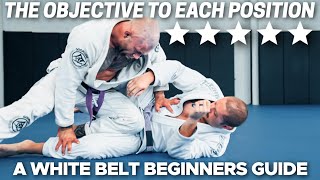
Rather than memorizing isolated techniques, this instructional emphasizes understanding the underlying objectives of guard passing. By grasping these core principles, practitioners can better execute and adapt known techniques while developing deeper strategic awareness. This foundational approach proves more valuable than rote technique memorization.
The Four Guard Passing Categories
All guard passes fall into one of four directional categories: through the guard, around the guard, over the guard, and under the guard. Through-the-guard passes like knee slides involve entering the guard space, while around-the-guard passes like leg drags emphasize staying external to it. Over and under passes utilize stepping or underhook mechanics respectively, each addressing guard structure differently.
Understanding Guard Structure and Control
The guard consists of the opponent's legs, with primary control mechanisms being foot grips (instep hooks or flat-foot frames) and knee frames. Inside position—control of the torso between the opponent's knees—represents the ultimate objective. The opponent's grips and frames work in concert to manage distance and prevent the passer from achieving inside position.
The Primary Principle: Neutralizing Foot Grips
The foundational rule of guard passing is preventing the opponent from establishing effective foot grips. Feet represent the first defensive layer; once neutralized, only knee frames remain as obstacles. By keeping opponent's feet off the body entirely, the passer bypasses the guard's most potent control mechanism and eliminates the opponent's ability to hook or frame effectively.
Isolation Versus Removal of Foot Grips
When complete removal of opponent's feet proves impossible, isolation becomes the secondary strategy. In positions like headquarters, the opponent's foot may contact the passer but lacks functional leverage due to strategic positioning. Body block passing demonstrates this principle, with foot isolation preventing sticky hooks from disrupting the pass.
Frame Angle as the Second Control Layer
Once foot grips are neutralized, knee frames present the remaining defensive barrier. Since frames cannot be forced directly—they represent bone-to-bone contact—the passer must manipulate angles rather than apply direct pressure. This principle mandates either changing the passer's own angle or reorienting the opponent's frame orientation.
Controlling Frame Direction
The second critical principle requires maintaining the opponent's frames pointing away from the passer rather than toward them. In knee slide passes, the passer prevents knee shield insertion by keeping the top frame external. In side smash variations, both frames point uniformly away, eliminating their defensive utility against forward progression.
Preventing Frame Engagement with the Mat
Frames must not contact the mat, as this enables the opponent to establish base and stand, making guard passage impossible. This defensive strategy, termed anti-jiu-jitsu, involves strategic disengagement to prevent the passer from establishing necessary grip control. The passer must ensure frames remain suspended and unusable rather than planted and stabilizing.
Integration of Passing Principles
Successful guard passing requires simultaneous attention to both principles: neutralizing or isolating foot grips while maintaining opponent frames in an externally-facing, mat-disengaged position. These dual objectives create a comprehensive framework applicable across all passing variations—from knee slides to leg drags to step-through techniques. Mastering these principles transcends individual techniques, providing adaptable strategic foundations.
A CONCEPTUAL Approach To Passing The Guard | Gi & Nogi BJJ Theory
Key Takeaways
- •Introduction to Conceptual Guard Passing
- •The Four Guard Passing Categories
- •Understanding Guard Structure and Control
- •The Primary Principle: Neutralizing Foot Grips
✅ BJJ Beginner Course: https://bjjbeginnercourse.com ✅ Jiu-Jitsu Theory Course: https://jiujitsutheorycourse.com 📩 Newsletter: http://jordanteachesjiujitsu.com/newsletter/ ✅ BJJ Games: A Constraints-Led Approach To Grappling: https://playbjjgames.com ✅ Wrestling For BJJ Course: http://wrestlingforbjj.com/ 💥 Kimura Trap Mastery: http://kimuratrapmastery.com ✅ Rides & Escapes Course: https://ridesescapes.com 🏖️ Trinidad & Tobago BJJ Camp: https://www.rollingintobago.com/ 🔥 X-Martial - https://www.xmartial.com/search?q=limitless --- Support my work: ❤️ Patreon: https://www.patreon.com/jordanteachesjiujitsu 👕 Merch: https://limitless-apparel-22.creator-spring.com/ 🥋 BJJ Fanatics: https://bjjfanatics.com/collections/new-releases/products/jordan-teaches-bottom-half-guard-by-jordan-preisinger Social: 💥 Instagram: https://www.instagram.com/jordanteachesjiujitsu/?hl=en 💥 Facebook: https://www.facebook.com/jordanteachesjiujitsu 💥 Facebook group: https://www.facebook.com/groups/jordanteachesjiujitsugroup/ 💥 TikTok: https://www.tiktok.com/@jordanteachesjiujitsu
Frequently Asked Questions
What does this video teach about standard sit-up guard?
This video covers introduction to conceptual guard passing, the four guard passing categories, understanding guard structure and control. It provides detailed instruction from Jordan Teaches Jiujitsu.
How long does it take to learn standard sit-up guard?
The basic mechanics can be understood in a single session, but developing reliable execution requires consistent drilling over weeks of practice. This 9-part breakdown helps structure your training by isolating each phase of the technique.
What are the key details for finishing standard sit-up guard?
Frames must not contact the mat, as this enables the opponent to establish base and stand, making guard passage impossible. This defensive strategy, termed anti-jiu-jitsu, involves strategic disengagement to prevent the passer from establishing necessary grip control. The passer must ensure frames remain suspended and unusable rather than planted and stabilizing.