Introduction to Sumi Gaeshi
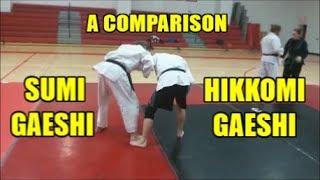
Sumi Gaeshi is a fundamental sacrifice throw in judo that leverages grip control and positioning. This technique is particularly effective when the opponent establishes a natural grip (same-side sleeve and collar control).
Breaking the Grip and Creating Weakness
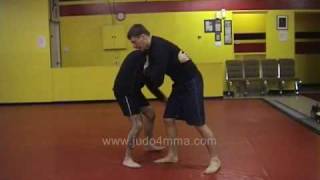
Rather than struggling against the opponent's initial grip, the practitioner should move laterally to the opponent's left side to weaken their gripping arm. This positioning allows for easier grip manipulation and setup for the throw.
Back Control and Hook Placement
The instructor reaches across the opponent's back to establish a deep grip on the fabric while simultaneously stepping in with the right leg. The hook is placed behind the opponent's right leg using the inside leg, not the outside leg as commonly misunderstood.
Grip Placement: Back Versus Armpit
Gripping across the back rather than around the armpit allows the thrower to drop their elbow effectively to break posture. An armpit grip forces the arm into a restricted angle that prevents proper posture breaking and reduces throwing power.
Belt Grip Considerations and Timing
While a belt grip is viable, it requires precise timing and pulling mechanics before dropping the elbow. The thrower must execute the throw quickly since the belt grip places the arm farther from the body, potentially resulting in getting stuck on the opponent.
Execution and Momentum Control
During the throw, the practitioner steps with the left leg while maintaining a low center of gravity and looking upward to initiate the roll. Proper technique allows the thrower to control their landing position and end up on top of the opponent.
Transition to Ground Positioning
Sumi Gaeshi can conclude with the thrower rolling to top mount position or maintaining control of the opponent's sleeve while achieving a dominant position. Both variations effectively set up subsequent submissions and positional advantages in jiu-jitsu applications.
Back Roll Finish and Sleeve Control
The back roll variation involves the thrower maintaining grip on the opponent's sleeve while rolling backward to establish top mount control. This finish position traps the opponent's arm and prevents defensive responses to immediate submissions.
Submission Setup from Mount Position
Once mounted following Sumi Gaeshi, the thrower can transition to arm-related submissions such as armbars or cross-collar chokes. The trapped sleeve position from the throw directly facilitates these submission attacks with minimal repositioning required.
Mastering Sumi Gaeshi | Judo Throw Tutorial with Sensei Juan (3rd Dan Kodokan)
Key Takeaways
- •Introduction to Sumi Gaeshi
- •Breaking the Grip and Creating Weakness
- •Back Control and Hook Placement
- •Grip Placement: Back Versus Armpit
Learn the art of the Sumi Gaeshi (corner reversal) throw from Sensei Juan, a 3rd Dan Kodokan Judo black belt. In this detailed step-by-step tutorial, Sensei Juan breaks down the mechanics, timing, and key details to execute this classic judo throw with precision and control. Perfect for beginners and advanced judoka looking to refine their technique. 🔔 Subscribe for more judo techniques, BJJ cross-training, and martial arts tutorials! 👍 Like, comment, and share if you found this helpful! 📍 Watch more: https://www.youtube.com/watch?v=nk8AfgR6pE4 #Judo #SumiGaeshi #JudoThrow #Kodokan #MartialArts #Grappling #BJJ #ThrowingTechniques #SenseiJuan #40andFighting Save your feet mat burn: https://amzn.to/3uLkJjh Blath Path Gear: https://theblkpath.com/ IG: John: https://www.instagram.com/ghostninjasd Anthony: https://www.instagram.com/beardrolls 40ANDFIGHITNG: https://www.instagram.com/40andfighting_ TikTok: https://www.tiktok.com/@40andfighting
Frequently Asked Questions
What does this video teach about standard sumi gaeshi?
This video covers introduction to sumi gaeshi, breaking the grip and creating weakness, back control and hook placement. It provides detailed instruction from 40 & FIGHTING.
How long does it take to learn standard sumi gaeshi?
The basic mechanics can be understood in a single session, but developing reliable execution requires consistent drilling over weeks of practice. This 9-part breakdown helps structure your training by isolating each phase of the technique.
What are the key details for finishing standard sumi gaeshi?
The back roll variation involves the thrower maintaining grip on the opponent's sleeve while rolling backward to establish top mount control. This finish position traps the opponent's arm and prevents defensive responses to immediate submissions.