Morote Seoi Nage vs. Ippon Seoi Nage
Morote seoi nage employs both arms to execute a shoulder throw, distinguishing it from ippon seoi nage, which uses a single arm. The practitioner must position themselves below the opponent's center of gravity at the koma musubi (natural stance position) to execute the technique effectively.
Hand Technique Over Hip Technique
Morote seoi nage is fundamentally a hand and arm technique rather than a hip-driven throw. The practitioner pulls the opponent over the shoulder without lifting them with the hips—similar to rolling over an obstacle encountered on a path rather than hoisting weight upward.
Distinguishing from Seoi Otoshi
Practitioners must avoid dropping to their knees, which constitutes seoi otoshi rather than morote seoi nage. This distinction is critical, as excessive knee impact from dropping techniques can lead to long-term joint damage and injury.
Proper Arm Positioning and Grip
The fist should remain positioned near the ear and maintain this alignment throughout the technique. The grip should resemble holding a rotary telephone, with the hand turning inward to create proper kuzushi (off-balancing) rather than simply gripping and rotating.
Foot Placement and Spacing
Feet should be spread wide to provide sufficient space—or 'real estate'—for the opponent to step over during the throw. If the practitioner steps too close, the opponent will be unable to rotate effectively over the shoulder.
Minimal Muscle Application
The technique should be executed with lightness and finesse rather than muscular force. The practitioner should 'float like a butterfly,' entering smoothly and using controlled momentum rather than attempting to lift or muscularly overpower the opponent.
Modern vs. Historical Execution
Historical jujutsu applications of morote seoi nage involved pure rotation without hip engagement, making it a purely hand and arm technique. This traditional approach differs from modern judo variations that incorporate greater hip involvement and lower body positioning.
Distinguishing Morote Seoi Nage from Seoi Otoshi
The critical difference lies in body position: if the practitioner drops their body weight downward, the technique becomes seoi otoshi; if they continue pulling without dropping, it remains morote seoi nage. Understanding this distinction prevents unnecessary joint stress and injury.
Long-Term Health Considerations
Excessive dropping and impact-based variations of shoulder throws contribute to chronic knee problems and head injuries. Practitioners should prioritize proper technique and sustainable execution over aggressive dropping methods to protect their long-term physical health.
Morote-Seoi-Nage Tips | Riki Judo Dojo
Key Takeaways
- •Morote Seoi Nage vs. Ippon Seoi Nage
- •Hand Technique Over Hip Technique
- •Distinguishing from Seoi Otoshi
- •Proper Arm Positioning and Grip
Riki sensei explained morote-seoi-nage (背負投 - two handed shoulder throw) during judo class on 12-29-2022. 0:00 definition 0:14 pulling instead of lifting 0:42 knee damage from drop seoi-otoshi 0:53 tsurite details 1:32 practicing with a partner 1:57 grab low 2:17 get lower 2:59 jujitsu origins of morote-seoi-nage 3:33 seoi-nage vs. seoi-otoshi 3:59 brain damage 4:17 don't ruin your knees! Riki sensei began Judo in Okinawa and is a Shichidan with over 56 years of study, practice, competition and teaching. He competed for 25 years at the local, national and international levels. A few of the great Judoka Riki sensei has studied and practiced with include: Kotani, Daigo, Ito, Inokuma, Okano, Kimura, Kaminaga and Nakatani. See Riki sensei teach every Monday, Wednesday, Thursday and Friday evening at 535 W. Iron Ave, Mesa, AZ 85210. Youth classes are 6 - 6:55 PM, adult classes are 7:00 - 8:30 PM. For more info, please visit rikidojousa.com The purpose of this YouTube channel is to pass on the original, traditional, authentic Kodokan Judo that Riki sensei loves so much. Riki sensei's students maintain this YouTube channel (and are responsible for any errors), but you can find more of his thoughts at the Riki Judo Dojo Facebook page: https://www.facebook.com/Riki-Judo-Dojo-USA-194351210607759 20
Related Techniques
Frequently Asked Questions
What does this video teach about morote seoi nage?
This video covers morote seoi nage vs. ippon seoi nage, hand technique over hip technique, distinguishing from seoi otoshi. It provides detailed instruction from Riki Judo Dojo.
How long does it take to learn morote seoi nage?
The basic mechanics can be understood in a single session, but developing reliable execution requires consistent drilling over weeks of practice. This 9-part breakdown helps structure your training by isolating each phase of the technique.
What are the key details for finishing morote seoi nage?
The critical difference lies in body position: if the practitioner drops their body weight downward, the technique becomes seoi otoshi; if they continue pulling without dropping, it remains morote seoi nage. Understanding this distinction prevents unnecessary joint stress and injury.
Related videos
Impress Your Judo Friends With Standing Seoi Nage
Shintaro Higashi
Ilias Illiadis' SECRETS To Ippon Seoi Nage! - With Ilias Illiadis, Travis Stevens, And Judo Fanatics
Travis Stevens
Kata-eri Seoi nage for Judo/BJJ/Sambo
Shintaro Nakano
Judo Legend Jeon Ki Young: Seoi-otoshi Variation (HD)
Singapore Judo Club
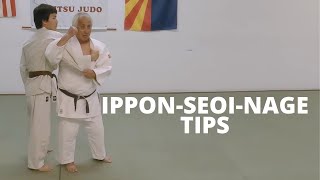
Ippon-Seoi-Nage Tips | Riki Judo Dojo
Riki Judo Dojo