The Apple Peeling Principle
Master Chen introduces the foundational concept of the Peel and Rotate technique by comparing it to peeling an apple. The instructor emphasizes that power generation requires removing one layer at a time, rather than simply squeezing with undifferentiated force. This distinction between surface compression and true layered separation is essential to understanding the technique's mechanics.
Yin-Yang Differentiation
Separation in push hands training requires clear differentiation between yin (yielding) and yang (expanding) forces. This dual-layer approach allows practitioners to maintain connection while simultaneously creating separation. Without this differentiation, the technique collapses into crude muscular squeezing.
Two-Layer Interaction Model
Master Chen establishes that effective technique requires maintaining two distinct layers of contact and force. A single-layer approach yields no meaningful interaction; only when two layers exist can the separation mechanism function. This structural principle underpins all advanced push hands applications.
Power Retention During Disconnection
The instructor demonstrates how power can remain active in the opponent's center even after physical separation occurs. When executed correctly, the technique maintains energetic connection and continued influence despite apparent distance. This delayed-effect power distinguishes skilled execution from simple separation.
Connection and Twist Integration
Successful Peel and Rotate requires simultaneous connection and rotational force. The practitioner must maintain awareness of the opponent's root while initiating the separating action. This combination of connection and twist creates the specific leverage needed for technique success.
Lower Body Targeting Strategy
When facing a strong opponent, rather than attempting to overcome their upper-body resistance, the practitioner targets and moves the lower body. This strategic shift exploits the inherent instability created by human bipedal structure. By addressing the foundation, upper-body power becomes irrelevant.
Exploiting Postural Instability
Humans naturally require continuous micro-adjustments to maintain stability due to having two feet and constantly fluctuating weight distribution. Master Chen explains that this biological reality creates exploitable openings in the opponent's structure. The Peel and Rotate technique weaponizes these natural instabilities to destabilize and control.
Separation in Taiji Push Hands Training - Master Chen Zhonghua
Key Takeaways
- •The Apple Peeling Principle
- •Yin-Yang Differentiation
- •Two-Layer Interaction Model
- •Power Retention During Disconnection
In this video, Master Chen Zhonghua provided Push Hands instructions to Instructor Chen Xu (in red) and workshop participants. This included: - Peeling an apple. To engage the inside, then take a separate layer off. - Cuo kai 搓开. Two body parts rotating against each other in opposite directions. This is a set of gears. - Separation into two layers. Without this there is no interaction. - Switching from top to bottom. Engage the top, then switch the action to the bottom. Workshop in Sydney, Australia. 2016 Practical Method Sydney Classes: https://www.practicalmethod.au/classes Workshops: https://www.practicalmethod.au/workshops Online Classes: https://www.practicalmethod.au/online-classes
Related Techniques
Frequently Asked Questions
What does this video teach about peel and rotate?
This video covers the apple peeling principle, yin-yang differentiation, two-layer interaction model. It provides detailed instruction from Practical Method Sydney.
How long does it take to learn peel and rotate?
The basic mechanics can be understood in a single session, but developing reliable execution requires consistent drilling over weeks of practice. This 7-part breakdown helps structure your training by isolating each phase of the technique.
What are the key details for finishing peel and rotate?
When facing a strong opponent, rather than attempting to overcome their upper-body resistance, the practitioner targets and moves the lower body. This strategic shift exploits the inherent instability created by human bipedal structure. By addressing the foundation, upper-body power becomes irrelevant.
Related videos

Ankle Lock Defense Part 2 - Freeing Our Hip From Strong Side Standard Ashi
RVV BJJ
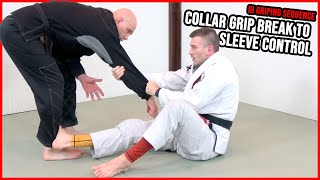
How to Break the Collar Grip and Win the Hand Fight in BJJ
Stephan Kesting

The First 3 Mount Escapes You Need To Know in BJJ
Brandon Mccaghren

HANDFIGHT for 2 on 1!!
TeachMeGrappling Coach Brian

Your Second Martial Arts Lesson...Front Kicks, High Blocks, and Knife hand Strikes!
Tiger Rock North Louisiana