The Weight Distribution Problem
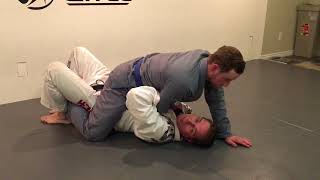
When defending the kipping escape from mount, many practitioners make the critical error of holding tight with their hips while allowing their weight to shift away from their partner's center. This positioning creates vulnerability as the opponent's knees drive inside, establishing leg lock opportunities. Proper weight distribution directly over the opponent is essential to prevent these entries.
The Cross Face and Underhook Advantage
Establishing both a cross face and underhook while mounted creates a dominant control structure that neutralizes most kipping attempts. With the opponent's shoulders pinned, their escape attempts transform into a high tripod passing position, greatly reducing their effectiveness. This combination remains the gold standard for mounted control.
Exploiting Space with Movement
When the underhook is unavailable and significant space exists between competitors, the mounted player should actively move into the space their opponent creates during the kipping attempt. Rather than static resistance, dynamic repositioning followed by re-attack or re-pinning maintains control advantage. This offensive approach prevents the opponent from establishing their escape.
Transitioning to the Floating Pass
When unable to secure an underhook, transitioning to a floating pass position offers superior control compared to static cross face pressure. As the opponent initiates their kip, the top player should establish outside position or steal inside position if the opportunity presents itself. The beginnings of a leg ride help control the escape trajectory.
Managing the Cross Face Counter-Attack
Opponents may clear the cross face through thumb posting and leverage manipulation. As this happens, the mounted player must recognize the transition opportunity and switch positions accordingly. Shifting to a front headlock when the mount becomes untenable provides superior positional safety compared to allowing an ashi garami entry.
Ashi Garami Defense and Recovery
If the mounted player finds themselves in an ashi garami position, immediate defensive action becomes necessary. Standard defenses include walking around the corner, crossing both legs, or executing direct counter-passing techniques. Swift transitions prevent the opponent from establishing submission control.
Strategic Retreat Principle
Sometimes conceding position through strategic retreat is superior to holding a deteriorating mount, especially when the opponent's follow-up attacks are imminent. Continued resistance in losing positions often accelerates negative outcomes. Recognizing when to exit and reset demonstrates mature grappling judgment.
Proactive Wrist Control Strategy
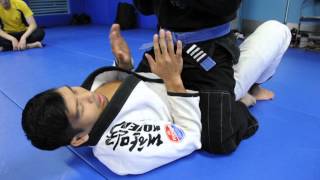
When mounted without an underhook, pinning the opponent's wrist while working toward underhook establishment maintains control progression. This intermediate position prevents frame-based escapes while allowing continued positional advancement. The practitioner should remain confident mounting even from this contested position.
Leg Position Switching for Control
Practitioners can switch leg positioning to maintain control as the opponent initiates kipping movements, potentially securing inside position during the transition. When the opponent establishes their own underhook or initiates single leg takedown attempts, the mounted player must respond with appropriate counters such as wrist control or knee slide transitions. These adjustments maintain positional advantage throughout the scramble.
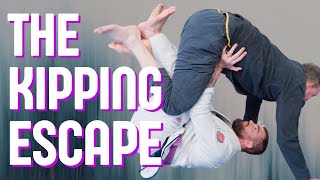
How To Shut Down The Kipping Escape
Key Takeaways
- •The Weight Distribution Problem
- •The Cross Face and Underhook Advantage
- •Exploiting Space with Movement
- •Transitioning to the Floating Pass
The kipping escape punishes you for maintaining the mount. In this video we answer a common question: how do you keep top position against a strong kipping escape? Check it out. Thanks for watching 😊 Want to support this channel? Check out my BJJ Fanatics instructionals, where we go deep into the systems, principles and techniques you see in these videos. https://bjjfanatics.com/products/pressure-drop-dynamic-guard-passing-standing-vs-supine-by-brian-glick?_ab=0&_fd=0&_sc=1 https://bjjfanatics.com/products/only-way-out-dynamic-pin-escapes-by-brian-glick https://bjjfanatics.com/products/knee-lever-masterclass-by-brian-glick . . . . . . . . . . . . WHO AM I? ➡️ MY BIO BY JOHN DANAHER - https://bit.ly/3gUMU5R INSTAGRAM: http://www.instagram.com/bzglick TRAINING: http://www.555jiujitsu.com
Frequently Asked Questions
What does this video teach about standard kipping escape?
This video covers the weight distribution problem, the cross face and underhook advantage, exploiting space with movement. It provides detailed instruction from Brian Glick.
How long does it take to learn standard kipping escape?
The basic mechanics can be understood in a single session, but developing reliable execution requires consistent drilling over weeks of practice. This 9-part breakdown helps structure your training by isolating each phase of the technique.
What are the key details for finishing standard kipping escape?
When mounted without an underhook, pinning the opponent's wrist while working toward underhook establishment maintains control progression. This intermediate position prevents frame-based escapes while allowing continued positional advancement. The practitioner should remain confident mounting even from this contested position.