Historical Foundation: The Double Wrist Lock in Catch Wrestling
The double wrist lock, historically known as the chicken wing, formed the cornerstone of catch wrestling technique. Practitioners can establish this control from multiple positions including half guard, side control, north-south, and standing. Once secured, the figure-four arm configuration must be maintained until submission completion. The position's versatility made it the primary finishing tool for classical catch wrestlers.
Entry Sequence: Three-Step Control Establishment
The entry begins by controlling the opponent's forward wrist, immediately followed by establishing a collar tie with the opposite hand. The practitioner then scoops the opponent's head while simultaneously punching the arm deep across the shoulder. This three-step sequence—wrist control, collar tie, and scoop—creates the foundation for the figure-four arm lock and enables all subsequent throws and submissions.
Primary Technique: The Spin Down Submission
From the secured double wrist lock position, the practitioner lifts the opponent's trapped arm vertically while maintaining chest contact. Using controlled rotational movement, the instructor slowly spins the opponent to the floor by pivoting on their feet. The submission intensifies as the practitioner walks forward, applying finishing pressure through the locked arm configuration. This technique proved effective in historical matches, including Sakuraba's application against Enzo Gracie.
Counter-Defense: The Hip Rip Escape
When the opponent achieves the top position with the double wrist lock applied, they can clasp their hands together and generate explosive hip drive to break the lock. The defender rips their arm free from the control by using hip power, then quickly reestablishes the lock. This hip-based defense requires timing and proper hand positioning but effectively neutralizes the submission threat when executed correctly.
Alternative Finish: The Straight Arm Bar
From the double wrist lock position when the opponent's arm wraps deeply around the shoulder, the practitioner can transition to a straight arm bar finish. By sinking the grip deeper and cinching the lock, the practitioner can wrench the opponent's elbow joint directly. This variation provides an additional submission option when the traditional wrist lock finish encounters resistance.
Power Switch Application: Reversing Pressure Control
When the opponent resists the spin-down by driving forward, the practitioner can execute a power switch by placing their hand on the opponent's hip. The defender steps forward and sits down explosively, converting the position into a takedown or back control reversal. This technique transforms defensive pressure into offensive momentum and works effectively against partial resistance.
Combination Strategy: Double Leg Shot Integration
The power switch principle extends to situations where the practitioner initiates a double-leg takedown attempt. Upon meeting hip-level resistance, the practitioner places their hand inside the opponent's thigh and drives through an explosive sit-down motion. This seamless transition from shot to power switch maintains offensive pressure and completes the takedown without resetting.
Back Control Transition: Positional Dominance Shift
The double wrist lock position can transition to back control when the opponent resists the spin-down by lowering their base. By executing the power switch and controlling the opponent's hip, the practitioner can drive through and establish position on the opponent's back. This combination maintains top control while shifting from arm lock pressure to dominant grappling position.
Instruction Methodology: Proper Attribution and Respect
When teaching techniques learned from other instructors or historical sources, practitioners must acknowledge the original source through direct credit or appropriate attribution. Proper homage through hashtags, verbal shout-outs, or explicit recognition maintains the integrity of martial arts lineage. This practice honors the knowledge passed down and respects the contributions of previous masters to the art.
Standing Double Wrist Lock Sakuraba Style Part 1- CACC 4
Key Takeaways
- •Historical Foundation: The Double Wrist Lock in Catch Wrestling
- •Entry Sequence: Three-Step Control Establishment
- •Primary Technique: The Spin Down Submission
- •Counter-Defense: The Hip Rip Escape
Coach Erik Paulson shows how to enter and counter with the Standing Double Wrist Lock, Sakuraba Style. August 27, 2000 Renzo Gracie refused to tap to a kimura against Kazushi Sakuraba (who turned 41 today), but the bout was stopped at 13:16 of the round when the referee feared that Gracie's arm would be broken. Sakuraba locked another kimura lock against Renzo Gracie, and this time, Gracie's arm was badly broken. - Like Comment and Subscribe YouTube https://www.youtube.com/channel/UCznieQn_Zim1Q1mvJH51T0Q?sub_confirmation=1 FACEBOOK https://m.facebook.com/paulson.fullerton INSTAGRAM https://www.instagram.com/coacherikpaulson/ TWITTER https://mobile.twitter.com/erikpaulsonsCSW - - Check out all of our Playlist!! Videos are Uploaded Daily MMA https://youtube.com/playlist?list=PLa_43jYxV--uek5Bl4fEWGXXWqpuGmGVE Catch Wrestling https://youtube.com/playlist?list=PLa_43jYxV--vZoyr3Ai2ZWMln79fRaIXZ BJJ https://youtube.com/playlist?list=PLa_43jYxV--s-0jIfXsotS4R_qeUEkUxQ Kali - FMA https://youtube.com/playlist?list=PLa_43jYxV--tmh46xlBPmg_VxnOg0OCPk https://www.epidemicsound.com/track/ebxor5m5sJ/ #mma #martialarts #grappling
Frequently Asked Questions
What does this video teach about standard double wrist control?
This video covers historical foundation: the double wrist lock in catch wrestling, entry sequence: three-step control establishment, primary technique: the spin down submission. It provides detailed instruction from CSW Fullerton.
How long does it take to learn standard double wrist control?
The basic mechanics can be understood in a single session, but developing reliable execution requires consistent drilling over weeks of practice. This 9-part breakdown helps structure your training by isolating each phase of the technique.
What are the key details for finishing standard double wrist control?
The double wrist lock position can transition to back control when the opponent resists the spin-down by lowering their base. By executing the power switch and controlling the opponent's hip, the practitioner can drive through and establish position on the opponent's back. This combination maintains top control while shifting from arm lock pressure to dominant grappling position.
Related videos

The BASIC Inside Wrist Control from Wrestling!
TeachMeGrappling Coach Brian
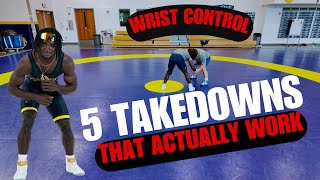
5 Wrist Control Takedowns Every Wrestler Should Know (D1 Breakdown)
Christian Tanefeu
Single Wrist Grab Defense - Katate Dori
Torashin
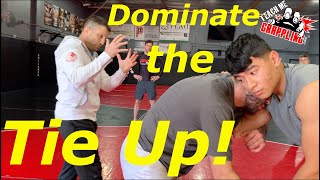
Control Your Opponent EASY with THIS!!
TeachMeGrappling Coach Brian
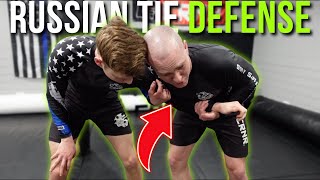
3 Ways To Defend The Russian Tie
Stay Safe Martial Arts