Seatbelt Control and Breakdown
The instructor establishes a seatbelt grip (one arm around the opponent's torso, one controlling the head) while the opponent attempts a takedown. Using hip pressure to prevent the opponent from advancing, the instructor walks around the opponent's body while maintaining the seatbelt control. This grip provides upper body dominance before transitioning to back control.
Dropping to the Side and Ankle Positioning
Once the opponent turtles defensively, the instructor drops onto their right side and drops their right knee inward. The left foot is positioned between the opponent's legs, controlling the ankle. This positioning, sometimes called an Iowa ride in wrestling, prevents the opponent from pulling their knees to their chest and sets up the hooks.
Securing the First Hook Against a Balled-Up Opponent
When the opponent is in a tight ball, the instructor keeps their right foot deep in the opponent's crotch with heel pressure while locking their ankles together. By achieving full extension of the opponent's body through this lock, they can then relax their left leg and swing it around to insert the first hook, overcoming the opponent's defensive positioning.
Hand Fighting and Hook Insertion
If the opponent's elbow blocks the hook insertion, the instructor may trap and go over the blocking arm. This requires hand-fighting exchanges where the instructor pushes the elbow away and maintains pressure until the hook slides inside. The key principle is keeping the opponent extended rather than allowed to ball up.
Shoulder Control and Transition to Side Position
When the opponent turtles tightly, the instructor places their shoulder on the back of the opponent's head, then drops onto their right side while rising up on the right elbow. This maintains control while the opponent attempts to return to their knees, and allows the instructor to step on the opponent's ankle if they try to stand.
Foot Control Between the Legs
The instructor positions their foot between the opponent's legs and holds it with their ankle, preventing the opponent from closing their knees to their chest. From this position, the instructor can drive their hand forward and insert the hook, then hip escape to secure a better position for both hooks.
Head Coverage and Initial Defense
The instructor emphasizes covering the opponent's head when they shoot for a takedown, stuffing the head downward so the opponent cannot drive up to their feet. This defensive positioning is foundational before establishing the seatbelt grip and beginning the breakdown sequence.
Complete Sequence and Neck Attack
The complete progression involves stuffing the head, establishing seatbelt control, walking around while maintaining pressure, dropping to the side when the opponent turtles, controlling the ankle, securing both hooks through extension and hand-fighting, and finally attacking the neck with both hooks in place. This systematic approach works against opponents who defend tightly rather than exposing themselves.
Getting the Hooks on a Tight TURTLE!!! Seatbelt Series - 2
Key Takeaways
- •Seatbelt Control and Breakdown
- •Dropping to the Side and Ankle Positioning
- •Securing the First Hook Against a Balled-Up Opponent
- •Hand Fighting and Hook Insertion
PLEASE Click this link to SUPPORT the TeachMeGrappling Channel!!! https://www.patreon.com/TeachMeGrappling or https://www.paypal.me/CoachBrianPeterson Your contribution is much appreciated and will help me continue to bring you content! 🙏 www.NextLevelGuy.com The NextLevelGuy Podcast with Coach Brian Peterson has been released!! Check it out! http://teachmegrappling.com This video I breakdown one of my favorite ways to get the hooks in when someone turtles. Check out the details and you are sure to find something useful! Enjoy! If you have any questions, comments, or suggestions, please comment below. More videos to come! Please like, share, and subscribe!!
Related Techniques
Frequently Asked Questions
What does this video teach about seatbelt turtle?
This video covers seatbelt control and breakdown, dropping to the side and ankle positioning, securing the first hook against a balled-up opponent. It provides detailed instruction from TeachMeGrappling Coach Brian.
How long does it take to learn seatbelt turtle?
The basic mechanics can be understood in a single session, but developing reliable execution requires consistent drilling over weeks of practice. This 8-part breakdown helps structure your training by isolating each phase of the technique.
What are the key details for finishing seatbelt turtle?
The instructor emphasizes covering the opponent's head when they shoot for a takedown, stuffing the head downward so the opponent cannot drive up to their feet. This defensive positioning is foundational before establishing the seatbelt grip and beginning the breakdown sequence.
Related videos
HOW TO ATTACK THE TURTLE - Front Headlock System
Fargo BJJ Academy
Front headlock basics
Lincoln Brazilian Jiu-Jitsu Center
Escape Seatbelt in Turtle with Josh Barnett
Bernardo Faria BJJ Fanatics
Front Headlock to Side Turtle from Sprawl - Grapplers Guide
The Grapplers Guide by Jason Scully
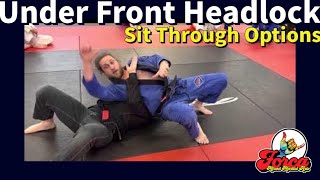
Sit-Through Overview from Under Front Headlock
Força Martial Arts & Fitness