Introduction and Participant Background
The instructor introduces Kevin, an amateur fighter, and James Garcia, a submission specialist from Hollison School and Marine Corps sergeant. Garcia initially sought self-defense training but has progressed to competitive submission fighting and Brazilian jiu-jitsu. The session will demonstrate arm bar submissions from multiple positions with detailed technical breakdowns.
Guard Position Fundamentals
Proper guard closure is essential before executing arm bar submissions. The practitioner must control the opponent's posture by locking the legs tightly and preventing them from posting upright. This positioning ensures control and prevents the opponent from creating escape space.
Arm Bar from Guard: Initial Grip and Neck Control
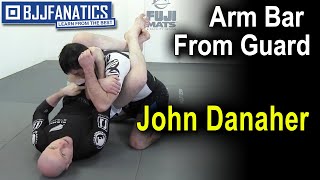
The defending fighter swims the right hand underneath the opponent's arm and grabs behind the elbow, pulling the arm across the body. Simultaneously, the left forearm blade is pressed against the opponent's neck to prevent them from collapsing downward and maintaining upper body control.
Arm Bar from Guard: Hip Positioning and Leg Placement
The practitioner posts their left leg on the opponent's hip and executes a windshield wiper motion to flare the hip upward. The right leg then pins across the opponent's torso, creating a secure frame that prevents escape.
Arm Bar Completion: Finish Mechanics
The defender pushes the opponent's head to facilitate leg crossing, ensuring the knee fits tightly into the arm pit with the thumb pointing upward. Pressure is applied by lifting the hips explosively while maintaining tight leg control, forcing the opponent to submit.
Beginner Drill: Simplified Execution
A simplified progression involves gripping the tricep or wrist while posting the foot on the hip, then pushing the opponent over and executing the arm pit lock. This drill emphasizes hip movement and leg tightness without requiring perfect positioning.
Defensive Counters and Real-World Application
When facing an opponent who resists or attempts to strike, the defender can cup their shin blade against the opponent's bicep while maintaining the foot position. This variation adapts the technique to dynamic fighting scenarios where the opponent actively defends.
Arm Bar from Mount Position: Knee Pressure
The critical principle in mounted arm bars is maintaining tightly compressed knees against the opponent's body. This ensures the defender's body follows the opponent's movements when they bridge or bump, preventing being thrown off balance.
Arm Bar from Mount: Shoulder Control and Positioning
The defender controls the opponent's shoulder and lifts their arm upward, then raises their knee parallel to the opponent's head. This creates a tight arm bar position with both of the opponent's arms trapped, eliminating escape options.
Arm Bar from Mount: Final Lock and Submission
From the mount position arm bar, the defender grabs the opponent's wrist and applies downward pressure through hip extension and arm control. The trapped arm and immobilized upper body create an inescapable submission position.
Arm Bar Submissions..
Key Takeaways
- •Introduction and Participant Background
- •Guard Position Fundamentals
- •Arm Bar from Guard: Initial Grip and Neck Control
- •Arm Bar from Guard: Hip Positioning and Leg Placement
Arm Bar's, Coach Byron, MMA Class http://www.divorcioenmiami.com/category/divorcio-en-miami
Related Techniques
Frequently Asked Questions
What does this video teach about pankration arm lock?
This video covers introduction and participant background, guard position fundamentals, arm bar from guard: initial grip and neck control. It provides detailed instruction from Byron Picado.
How long does it take to learn pankration arm lock?
The basic mechanics can be understood in a single session, but developing reliable execution requires consistent drilling over weeks of practice. This 10-part breakdown helps structure your training by isolating each phase of the technique.
What are the key details for finishing pankration arm lock?
The defender controls the opponent's shoulder and lifts their arm upward, then raises their knee parallel to the opponent's head. This creates a tight arm bar position with both of the opponent's arms trapped, eliminating escape options.