Introduction to Kata-Gatame Arm Triangle
This instructional guide covers the arm triangle submission, including two primary entry methods, critical finishing mechanics, and defensive counters. The instructor emphasizes that proper technique allows this submission to be executed effectively despite its reputation for difficulty.
Entry One: Americana Setup
The first entry utilizes the Americana attack from mount position. When the opponent turns into the attacking arm to defend, their back exposure and arm positioning create an ideal setup for the arm triangle, with the elbow already positioned above the shoulder line.
Entry Two: Hand Walk Technique
The second entry begins with a cross-face and wide base in mount to prevent being swept. The practitioner walks their hand up the opponent's arm, pushing at the elbow rather than closer to the body where leverage is weaker, until the elbow passes above the head.
Hand Positioning and Grip Structure
Rather than using a naked grip, practitioners should connect their hands to maximize both choking power and base stability. The wide elbow position creates superior leverage and prevents the opponent from easily rolling the attacker off the submission.
Initial Finishing Mechanics
The first critical detail involves pushing the attacking arm completely through until the elbow connects with the opponent's neck, closing off one carotid artery. This deep arm positioning is essential; insufficient depth allows the opponent to maintain breathing space regardless of squeezing intensity.
Dismount and Side Control Transition
To close off the second carotid artery, the attacker must dismount to a side control position while controlling the opponent's hip with their foot. This repositioning allows the shoulder to drive into the neck rather than pushing ineffectively from mount.
Advanced Finishing: Sternocleidomastoid Engagement
The final power application involves pulling the attacking elbow into the sternocleidomastoid muscle while turning the torso into the opponent. This combined pressure creates a significantly stronger finish than squeezing alone.
Pressure Management and Fatigue Prevention
Practitioners should apply pressure gradually and consistently, building from 10% to 100% intensity rather than maximal effort from the start. This approach prevents premature exhaustion and allows longer submission hold duration.
Counter Defense Overview
Three primary counters exist: turning into the submission, turning away from the submission, and hand posting. Understanding and countering these defensive responses is essential for reliable submission execution.
The Arm Triangle Explained (Kata Gatame)- De Groot BJJ
Key Takeaways
- •Introduction to Kata-Gatame Arm Triangle
- •Entry One: Americana Setup
- •Entry Two: Hand Walk Technique
- •Hand Positioning and Grip Structure
The arm triangle or kata gatame is a very strong, relatively low-risk way of finishing your opponents from top position. In this video I teach you how to get into the position with two effective setups. Then how to finish the submission. I'll also discuss the most common defenses and how to counter them: turning in, turning away and the "pick up the phone" defense. More info: https://www.degrootbjj.com Train BJJ in Brazil: https://degrootbjj.com/train-bjj-in-brazil/ Guillotine Instructional: https://bjjfanatics.com/products/guillotine-revolution-by-daniel-de-groot BJJ Fightgear: https://bjjfightgear.com/?aff=7/
Related Techniques
Frequently Asked Questions
What does this video teach about kata-gatame arm triangle variation?
This video covers introduction to kata-gatame arm triangle, entry one: americana setup, entry two: hand walk technique. It provides detailed instruction from Haven BJJ.
How long does it take to learn kata-gatame arm triangle variation?
The basic mechanics can be understood in a single session, but developing reliable execution requires consistent drilling over weeks of practice. This 9-part breakdown helps structure your training by isolating each phase of the technique.
What are the key details for finishing kata-gatame arm triangle variation?
Practitioners should apply pressure gradually and consistently, building from 10% to 100% intensity rather than maximal effort from the start. This approach prevents premature exhaustion and allows longer submission hold duration.
Related videos
Guard: Palm Up Palm Up choke
Bellingham BJJ
BJJ - X Choke from Mount | Palm Up / Palm Down
Focused Fight Team
Ferro Academy BJJ Step Over Choke from knee on belly and side control.#sidechoke#bjj
Sickness Ferro
Knee on Hip to Step Over Triangle by Benji Silva
BJJ Fanatics
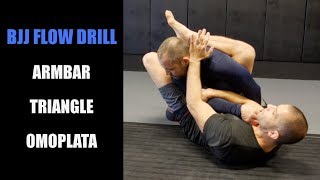
BJJ Flow Drill: Armbar Triangle Omoplata From Closed Guard
MMA Leech