Initial Setup: Feet to Hips
The instructor begins by pulling the opponent down and placing both feet on the opponent's hips to create space. This initial positioning is crucial for generating leverage and preventing the opponent from maintaining a tight posture. The opponent's instinctive response to chicken wing their arm signals that the setup is successful.
The Crossover Principle
Rather than immediately controlling the opponent's arm, the instructor uses a deceptive approach by crossing over and grabbing the shoulder. This 'look, no hands' method conceals the true intention of locking the arm, preventing the opponent from mounting an effective defense. The crossover grip sets up the subsequent armlock without telegraphing the technique.
Shrimping and Directional Pressure
The instructor shrimps toward the opponent while pushing them backward at an angle—directing their head between the legs rather than straight back. This angled pressure is essential because pushing straight back allows the opponent to counter the technique. The goal is to maintain deception by disguising the true direction of the movement.
Adjustment for Strong Defensive Posture
When the opponent maintains a strong middle posture, the instructor demonstrates pushing them backward before executing the crossover armlock. This variation works equally well against defensive opponents who resist being pulled down or extended. The same directional principles apply regardless of the opponent's initial stance.
Finishing the Armlock or Rolling Position
Once the armlock is established, the instructor collapses backward by grabbing the back of the thigh or hip. If the opponent's grip remains tight or resistance prevents immediate collapse, an alternative is to stomp the hip and sit up to roll them over. Both finishing options lead to submission or positional dominance.
Maintaining Deception and Neutral Body Language
The instructor emphasizes avoiding obvious arm-hunting signals, such as reaching directly for the wrist, which alerts an experienced opponent. By keeping hands neutral and manipulating through hip control and directional pressure, the technique remains concealed until executed. Deception is the cornerstone of successful application against aware training partners.
Escape Response: Triangle Setup from Whiffed Armlock
If the opponent escapes the armlock attempt, the instructor immediately transitions by catching the near shin as they pull their arm free—a position called the necktie. This defensive shin control can be converted into a reverse triangle or traditional triangle by shrimping to the appropriate side. The transition demonstrates seamless chaining of submissions from the same bottom position.
Finishing the Triangle with Arm Pressure
From the necktie position, if the triangle squeeze alone is insufficient, the instructor places the other arm across the opponent's body and drives the elbow toward the inside of the thigh. This dual-arm pressure, combined with the shin control, intensifies the submission without requiring additional footwork. The technique adapts to varying levels of opponent resistance.
Final Fallback: Underhook Trip
Should both the armlock and triangle fail, the instructor underhooks the opponent's armpit from the bottom position to execute a sideways trip. This reliable finishing option works when submissions are defended, providing a high-percentage path to positional advantage. The sequence demonstrates a complete submission chain with multiple viable endpoints.
TWO SUBMISSION TECHNIQUES FROM BOTTOM JUJI GATAME & SANKAKU JIME
Key Takeaways
- •Initial Setup: Feet to Hips
- •The Crossover Principle
- •Shrimping and Directional Pressure
- •Adjustment for Strong Defensive Posture
This video shows how to effectively work from the bottom position applying different variations of Juji Gatame and Sankaku Jime. Done in a "no gi" situation in this video, these can work in a "gi" situation as well. Go to www.amazon.com or www.ymaa.com to get Steve Scott's books THE JUDO ADVANTAGE and JUJI GATAME ENCYCLOPEDIA. Our channel was started in 2010 as an extension of our program at Welcome Mat. Welcome Mat was founded in 1969 by Steve Scott in Kansas City, Missouri, USA and has produced thousands of successful students, athletes and coaches in a variety of grappling sports. View over a thousand videos on the subjects of judo, freestyle judo, Shingitai Jujitsu, sambo, submission grappling and sport jujitsu are on our Youtube channel. Browse through our playlists to see what we have on our channel. If a video is listed as "private" is it because that video is still in development or scheduled for later viewing. You can subscribe for free to our channel at http://youtube.com/user/welcomematstevescott. We strive to provide fundamentally sound and technically innovative skills and information on a variety of grappling sports. We appreciate your support! Please tell others about our channel. You can help support our channel by going to our online store and purchasing items. Go to http://www.WelcomeMatStore.com. We have a variety of books, shirts and other items for sale. Music for the Freestyle Judo show provided by YouTube Copyright Free Audio featuring "Fiend" by Sting and performed by the Jingle Punks and "All This Down Time" by Sting and performed by the Jingle Punks. Visit our club web site at http://www.WelcomeMatJudoClub. For information on the Judo Black Belt Association, go to http://www.judoblackbelt.com. Thank you for watching our video. Please tell others about our channel. Our videos are all original material and are copyrighted. Reproduction or showing these videos without the specific permission of Steve Scott is prohibited.
Related Techniques
Frequently Asked Questions
What does this video teach about double attack to kata-gatame?
This video covers initial setup: feet to hips, the crossover principle, shrimping and directional pressure. It provides detailed instruction from welcomematstevescott.
How long does it take to learn double attack to kata-gatame?
The basic mechanics can be understood in a single session, but developing reliable execution requires consistent drilling over weeks of practice. This 9-part breakdown helps structure your training by isolating each phase of the technique.
What are the key details for finishing double attack to kata-gatame?
From the necktie position, if the triangle squeeze alone is insufficient, the instructor places the other arm across the opponent's body and drives the elbow toward the inside of the thigh. This dual-arm pressure, combined with the shin control, intensifies the submission without requiring additional footwork. The technique adapts to varying levels of opponent resistance.
Related videos
How to Perfect the Kata Gatame by Fabiano Scherner
Bernardo Faria BJJ Fanatics
Guard: Palm Up Palm Up choke
Bellingham BJJ
BJJ - X Choke from Mount | Palm Up / Palm Down
Focused Fight Team
Ferro Academy BJJ Step Over Choke from knee on belly and side control.#sidechoke#bjj
Sickness Ferro
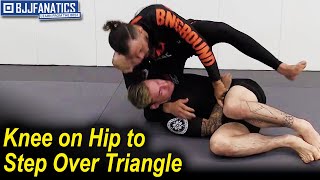
Knee on Hip to Step Over Triangle by Benji Silva
BJJ Fanatics