Initial Arm Control from Closed Guard
From closed guard, the practitioner must establish control over the opponent's arm. The foundational grip involves controlling the wrist and bringing the arm across the body while positioning the instructor's arm underneath to secure the trapped position.
Trapping the Hand and Setting the Triangle
Once the hand is trapped, the instructor hooks the opponent's arm and pushes it inward to create the triangle setup. This two-step sequence—trap and push—positions both of the opponent's arms for the subsequent triangle lock.
The Triangle Setup Sequence
The setup follows a clear three-step pattern: trap the hand, control the position, and push the arm across to achieve the triangle frame. Proper hand placement and arm positioning are critical before executing the lock.
Foot Positioning in the Triangle Lock
The finishing triangle requires specific foot placement to maximize pressure. The top foot must be positioned lower than the knee to create proper leverage and ensure the submission is effective.
Countering Knee Defense
When the opponent raises their knee to defend against a back take, the triangle remains available as an alternative finish. The instructor can execute the triangle regardless of knee position by maintaining proper arm control and body placement.
Completing the Triangle Finish
The final sequence involves securing the arm across, gripping the head and shin, stepping over, and pulling to lock the triangle. The critical adjustment is ensuring the foot sits lower than the knee for optimal compression and submission control.
Arm Trap Triangle Set Up from Closed Guard
Key Takeaways
- •Initial Arm Control from Closed Guard
- •Trapping the Hand and Setting the Triangle
- •The Triangle Setup Sequence
- •Foot Positioning in the Triangle Lock
Prof. Eduardo teaches a set up for the triangle choke from the closed guard. Using a 2-on-1 grip to drag your opponent's arm across their body, you cam aim to trap their hand in your closed guard before moving isolating the head and the other arm for the triangle choke. This attack works even when the opponent brings their foot up to defend against the option to take the back. If your opponent resists moving their arm across for the triangle, you can try to attack the elbow for the arm lock. If your opponent resists the arm trap, you may still be able to take the back. ---------- Click to support! https://www.youtube.com/c/eduardofragabjj?sub_confirmation=1 ---------- Music by LAX the Monk IG: @laxthemonk YouTube: https://www.youtube.com/channel/UC1eAhJm7SMI9RroEJjvofJg Email: [email protected]
Related Techniques
Frequently Asked Questions
What does this video teach about arm trap triangle?
This video covers initial arm control from closed guard, trapping the hand and setting the triangle, the triangle setup sequence. It provides detailed instruction from Eduardo Fraga BJJ.
How long does it take to learn arm trap triangle?
The basic mechanics can be understood in a single session, but developing reliable execution requires consistent drilling over weeks of practice. This 6-part breakdown helps structure your training by isolating each phase of the technique.
What are the key details for finishing arm trap triangle?
When the opponent raises their knee to defend against a back take, the triangle remains available as an alternative finish. The instructor can execute the triangle regardless of knee position by maintaining proper arm control and body placement.
Related videos
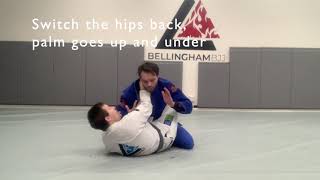
Guard: Palm Up Palm Up choke
Bellingham BJJ
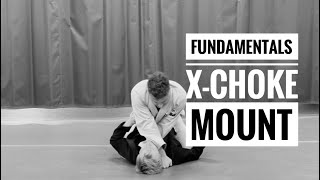
BJJ - X Choke from Mount | Palm Up / Palm Down
Focused Fight Team
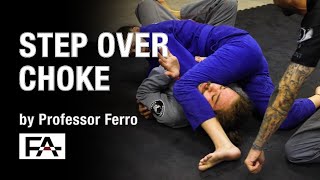
Ferro Academy BJJ Step Over Choke from knee on belly and side control.#sidechoke#bjj
Sickness Ferro
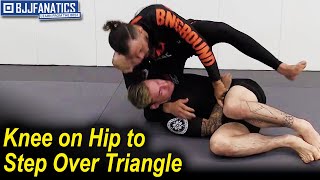
Knee on Hip to Step Over Triangle by Benji Silva
BJJ Fanatics
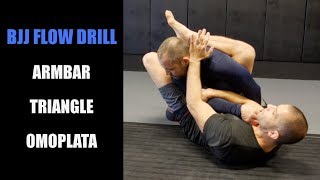
BJJ Flow Drill: Armbar Triangle Omoplata From Closed Guard
MMA Leech