Flexibility Foundation
Developing flexibility in the rubber guard position is essential, particularly for no-gi grappling where opponents will actively attempt these techniques. Practitioners must spend dedicated time in this position to build comfort and mobility, as the position will feel awkward initially but becomes increasingly accessible with consistent practice.
Mission Control Entry
The Loco Plata begins from the rubber guard position, starting in close guard with the opponent postured up. The instructor establishes mission control by placing one foot on the opponent's hip and wrapping the other leg high across the back of the neck with a palm-facing grip. The free arm is then 'zombied' through by swimming it past the opponent's arm while hugging one's own knee.
The Gogoplata Setup
From mission control, the practitioner clears the opponent's face and grabs their own foot, mirroring the initial Omoplata entry. If the opponent resists the Omoplata by turning into the position, this creates the opening for the Gogoplata. The instructor then uses the grip on their own foot combined with palm pressure to execute a tight choke with the chin.
Defending the Foot Grab
When opponents attempt to counter the Gogoplata by pushing down on the attacker's foot to create breathing space, the practitioner must peel off this defensive grip. Once the opponent's hand is removed, the attacker can re-establish control of their foot while keeping their other hand free for the finishing mechanics.
Loco Plata Finish
If the opponent successfully prevents the foot grab during the Gogoplata attempt, the attacker introduces the second leg as an alternative base for the choke. This variation, the Loco Plata, uses the second foot to create pressure and finish the submission when the primary foot is unavailable. The technique remains highly effective despite the defensive adjustments.
Positional Advantages and Sweeps
Once established in the Loco Plata position, the attacker gains significant control beyond just the submission threat. If the opponent attempts to stand and escape by backing out, the attacker can execute a sweep that transitions into an armbar position. This makes the position exceptionally strong, as it offers multiple finishing options beyond the primary choke.
Live Demonstration Sequence
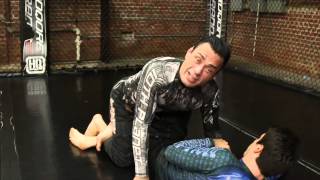
The instructor performs the complete sequence: establishing close guard control, breaking down the opponent, entering mission control with foot on hip and high leg placement, swimming through with the zombie grip, and then demonstrating both the Gogoplata and Loco Plata options based on opponent resistance. The demonstration emphasizes the seamless transitions between each variation and the importance of maintaining positional pressure throughout.
Rubber guard, the gogoplata and Loco plata.
Key Takeaways
- •Flexibility Foundation
- •Mission Control Entry
- •The Gogoplata Setup
- •Defending the Foot Grab
Using the rubber guard to set up the gogoplata and Locoplata submission.
Related Techniques
Frequently Asked Questions
What does this video teach about loco plata?
This video covers flexibility foundation, mission control entry, the gogoplata setup. It provides detailed instruction from BJJ4Breakfast.
How long does it take to learn loco plata?
The basic mechanics can be understood in a single session, but developing reliable execution requires consistent drilling over weeks of practice. This 7-part breakdown helps structure your training by isolating each phase of the technique.
What are the key details for finishing loco plata?
Once established in the Loco Plata position, the attacker gains significant control beyond just the submission threat. If the opponent attempts to stand and escape by backing out, the attacker can execute a sweep that transitions into an armbar position. This makes the position exceptionally strong, as it offers multiple finishing options beyond the primary choke.
Related videos
MMA Institute technique of the month: Omo plata setup and finish variation
ziongraffix
Ice Pick on the Ground
Kalah UK
The Carni Shoulder Lock From BJJ Z Guard by Richie "Boogeyman" Martinez
Bernardo Faria BJJ Fanatics
Lockdown Half Guard, Part 12: Powder Keg Triangle
Cheat Code Jiu Jitsu
Eddie Bravo Vaporizer From Top Stoner Control
JiuJitsuMag