Introduction to the Cradle
The cradle is a fundamental grappling position originating from wrestling that transcends MMA and jiu-jitsu. By clasping the hands around an opponent's neck and leg, the practitioner achieves exceptional control capable of breaking down both shoulders and hips. This position earned legendary status through stories like catch wrestler Mark Shultz's 30-minute cradle hold against Hickson Gracie, demonstrating its unparalleled controlling power.
Nearside vs. Farside Cradles
Two major cradle variations exist: the nearside cradle with chest facing the opponent's chest, and the farside cradle with chest facing their back. Transitioning between these positions creates a critical skill for setting up submissions. Understanding both positions enables practitioners to adapt their approach based on opponent movement and positioning.
Cradle Entry from Front Headlock
The front headlock provides one of the most accessible cradle entries, particularly when an opponent steps up on one leg. The practitioner maintains chin strap control while turning the corner to catch the ankle or knee with an elbow-deep grip. This entry seamlessly transitions into the cradle position regardless of whether the opponent remains grounded or attempts to stand.
Cradle Entry from Knee Shield and Side Control
From knee shield position, the cradle emerges when an opponent attempts to wrestle up with an underhook. The practitioner frames on the opponent's head, hooks their top leg, and sprawls backward to secure the nearside cradle. Side control entries occur similarly when the opponent rolls away toward turtle, bringing their top knee closer to their head and creating the necessary positioning for cradle entry.
Cradle from Guard Positions
In shin-to-shin guard, repositioning the opponent's head to the outside of the knee allows the practitioner to clasp hands around their knee and head. This principle extends to single-leg defense, where an opponent's outside head position creates cradle opportunities. While not stopping the takedown itself, proper cradle application allows the defender to roll through to the top position.
Cradle as Takedown Finish
The cradle excels as a submission finish when combined with takedowns, particularly the single leg. As the opponent stands and brings their head closer to the knee where one arm already sits, the practitioner frames a collar tie on the back of the head to prevent upward movement. This seamless transition breaks down structure and locks the cradle before the opponent can heist or build height.
The Breakdown Mechanic
The cradle's primary strength lies in breaking opponent structure by connecting two distant body points—the head and leg—creating a fundamental structural weakness. When locked properly, the cradle prevents effective post placement and hip movement necessary for escape or advancement. The practitioner achieves breakdown by pinching elbows together, bringing the chin to the chest, and lifting the top leg.
Guard Clearing and Leg Weave Pass
After securing a nearside cradle breakdown, the practitioner must clear the guard by sprawling the trapped leg back and walking around the opponent's head. Stepping the leg over the trapped leg transitions into leg weave position, enabling the rider to maintain weight and finish into either mount or back control. Advanced practitioners can transition directly from nearside cradle through leg weave into a farside cradle, exemplified by Chael Sonnen's execution against Bryan Stanag.
Farside Cradle and Back Control
The farside cradle, executed with chest facing the opponent's back, locks the far leg and head for exceptional control and breakdown potential. This position naturally opens back-taking opportunities and enables the practitioner to pull the opponent backward into a breakdown. The practitioner can also roll directly over the head to establish back control without requiring hooks, making it highly efficient from top position.
Wrestling Cradles in MMA & Jiu-Jitsu: Breakdown, Smash Guard, Submit
Key Takeaways
- •Introduction to the Cradle
- •Nearside vs. Farside Cradles
- •Cradle Entry from Front Headlock
- •Cradle Entry from Knee Shield and Side Control
Cradles aren’t just a wrestling pin. In BJJ and MMA, they’re a structure-breaking system that transitions from takedowns to breakdowns, stops stand-ups, opens up passes, and chains to submissions. In this breakdown, I cover near-side and far-side cradle entries from single-leg finishes, knee shield, front headlock, and when fence wrestling. You’ll learn how to turn breakdowns into guard passes to mount, side control, or execute back takes. Then how to submit from the cradle with guillotines, darces and anacondas. 🎙️ PODCAST: The Sonny Brown Breakdown Secondary Channel: https://www.youtube.com/@thesonnybrownbreakdown Website: https://www.sonnybrown.net/podcast/ 👍 FOLLOW ME: Website: https://www.sonnybrown.net Facebook: https://www.fb.me/sonnybrown Instagram: https://www.instagram.com/sonnybrownbreakdown X: https://www.x.com/sonnybrown 🎧 MUSIC: To be added. 📚 REFERENCES: To be added. ⌛ TIMESTAMPS: 00:00 - Introduction to Cradles 01:30 - Cradle Entries 03:03 - Cradle Takedowns | Offence & Defence 04:30 - Cradles for Breakdowns 05:46 - The Cradle Guard Pass 07:01 - The Far Side Cradle 08:03 - Cradles for Fence Wrestling in MMA 09:27 - Knee Strikes from a Cradle 10:22 - Submissions from a Cradle 12:26 - Cradles Summary #sonnybrownbreakdown #mixedmartialarts #brazilianjiujitsu #cradles
Related Techniques
Frequently Asked Questions
What does this video teach about cradle from side control?
This video covers introduction to the cradle, nearside vs. farside cradles, cradle entry from front headlock. It provides detailed instruction from Sonny Brown.
How long does it take to learn cradle from side control?
The basic mechanics can be understood in a single session, but developing reliable execution requires consistent drilling over weeks of practice. This 9-part breakdown helps structure your training by isolating each phase of the technique.
What are the key details for finishing cradle from side control?
After securing a nearside cradle breakdown, the practitioner must clear the guard by sprawling the trapped leg back and walking around the opponent's head. Stepping the leg over the trapped leg transitions into leg weave position, enabling the rider to maintain weight and finish into either mount or back control. Advanced practitioners can transition directly from nearside cradle through leg weave into a farside cradle, exemplified by Chael Sonnen's execution against Bryan Stanag.
Related videos
Using THE CRADLE to pass. When WRESTLING meets JIU JITSU
Brandon Mccaghren
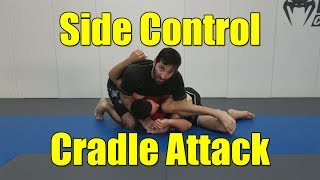
Side Control BJJ Cradle Attack
David Avellan
The Crossface Cradle - Yes, it is Osaekomi
The Judokai Network
Keep Connection From Top Turtle Against Your Opponent by Jason Scully - BJJ Grappling
The Grapplers Guide by Jason Scully
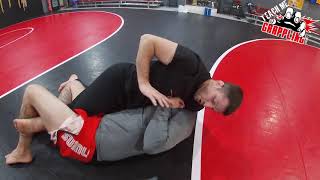
Catch Them by SURPRISE in Half Guard!!
TeachMeGrappling Coach Brian