Introduction to the Anaconda Choke
The anaconda choke is one of the most effective submissions available from the turtle position in Brazilian Jiu-Jitsu and MMA. This technique targets the opponent's neck and shoulder with a secure arm lock that becomes increasingly difficult to escape once properly established.
Initial Setup and Arm Placement
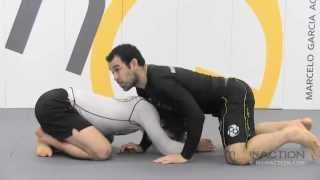
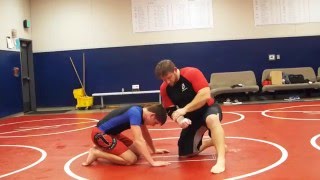
When the opponent assumes turtle position, the instructor must prevent them from grabbing the legs before initiating the choke. The attacking hand forks the fingers and pushes down on the opponent's neck, while the other hand controls where the triceps meets the shoulder.
Shoulder Positioning and Initial Control
The attacking shoulder drives down onto the opponent's sternum as the hands establish control. The grip focuses on the chin while keeping elbows tight, allowing the instructor to control both the neck and the opponent's arm simultaneously.
The Arm Channel and Hand Lock Integration
The second hand lock works in conjunction with the arm control, creating a unified pressure system. The attacking arm channels pressure from the neck through the shoulder, while controlling the opponent's trapped arm prevents escape.
Deep Hand Insertion and Forearm Contact
The head-side arm must penetrate deeply by dropping the shoulder low and inserting the second arm. Use the full forearm and wrist—not just fingertips—against the opponent's neck and biceps for maximum pressure distribution.
Rolling to Finish Position
Once hand placement is secure, roll the opponent over to position the neck on the attacker's biceps. This transition prevents the opponent from laying on the hands and creates optimal leverage for the final squeeze.
Controlling Escape Attempts During the Roll
The opponent will attempt to move their elbow away and extend their neck to relieve pressure. Maintain a tight squeeze on the arm and keep the head pressed against the chest to prevent these defensive maneuvers.
Final Compression and Submission
Execute the finish by rolling tightly, closing the elbows, and performing scapular retraction with the shoulder plate. The second hand should come up as high as possible, with the edge of the first hand moving into the grip to achieve maximum compression.
Critical Execution Detail
The most important moment occurs when transitioning the inside hand to the outside position. This movement must be fast with tight hands inserted as deeply as possible before the opponent can defend or grab the attacking arm.
Anaconda Choke from Tortuga - BJJ Basics for MMA
Key Takeaways
- •Introduction to the Anaconda Choke
- •Initial Setup and Arm Placement
- •Shoulder Positioning and Initial Control
- •The Arm Channel and Hand Lock Integration
Anaconda Choke from Tortuga - Classic BJJ Basics & Catch Wrestling essentials. Learn the crucial details to get the technique to work and Choke out your friends.
Related Techniques
Frequently Asked Questions
What does this video teach about anaconda choke from turtle?
This video covers introduction to the anaconda choke, initial setup and arm placement, shoulder positioning and initial control. It provides detailed instruction from Peter Mettler Martial Arts.
How long does it take to learn anaconda choke from turtle?
The basic mechanics can be understood in a single session, but developing reliable execution requires consistent drilling over weeks of practice. This 9-part breakdown helps structure your training by isolating each phase of the technique.
What are the key details for finishing anaconda choke from turtle?
Execute the finish by rolling tightly, closing the elbows, and performing scapular retraction with the shoulder plate. The second hand should come up as high as possible, with the edge of the first hand moving into the grip to achieve maximum compression.