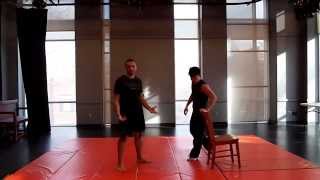
Proper Roundhouse Kick Mechanics
The Muay Thai roundhouse kick prioritizes power over speed, utilizing the shin as the striking surface while rotating the hips completely through the target. Unlike snapping kicks from taekwondo or karate, this technique aims to drive through the opponent's body, leg, or head with full commitment and hip rotation.
Mistake #1: Insufficient Hip Rotation
A common error is executing a soccer-kick trajectory with minimal hip involvement, which reduces power generation and creates multiple vulnerabilities. The grounded leg must rotate completely away from the target, with the toes pointing away at the moment of contact. This full hip rotation enables proper force transfer and prevents shin injuries from connecting with the opponent's blocking arms.
Mistake #2: Premature Leg Extension
Extending the leg too early prevents the kicker from driving through the target and wastes the kick's power potential. The leg should remain bent past 90 degrees at the moment of contact, with full extension occurring only after passing through the target. This follow-through mentality ensures maximum impact and prevents the kick from stopping short of its intended destination.
Mistake #3: Neglecting Upper Body Assistance
Effective roundhouse kicks require coordinated arm and shoulder movement to maximize rotation and protect the head simultaneously. The trailing shoulder whips back while the front hand can pull the opponent into the kick, assist with blocking, or control their defensive limbs. This upper body engagement amplifies hip rotation and generates additional power without compromising defensive positioning.
Mistake #4: Improper Stance and Positioning
Standing directly in front of the target forces full leg extension before impact, eliminating the driving power of the kick. Instead, the support leg should step out at a 45-degree angle, creating optimal distance and angle for hip rotation and follow-through. This positioning becomes automatic through consistent practice of the step-and-kick combination.
Mistake #5: Neglecting Setup with Combinations
Throwing isolated roundhouse kicks allows opponents sufficient reaction time to block or evade due to the technique's traveling distance. Setting up the kick with preceding punches—whether a single jab or combination like jab-cross-hook—forces the opponent to react defensively and commit their weight. This tactical approach significantly increases the likelihood of landing the kick cleanly while preventing shin-to-shin collisions.
5 Common Muay Thai Roundhouse Mistakes: Perfect Your Kick
Key Takeaways
- •Proper Roundhouse Kick Mechanics
- •Mistake #1: Insufficient Hip Rotation
- •Mistake #2: Premature Leg Extension
- •Mistake #3: Neglecting Upper Body Assistance
Zebra Home Gym Packages► https://zebraathletics.com/brand/home-gym-packages/ The Muay Thai roundhouse kick is one of the most powerful strikes you can throw in a fight. However, many beginners have trouble throwing the kick correctly. Here are 5 common mistakes with the roundhouse. Drills to perfect your kicks in sparring►http://www.fighttips.com FOLLOW: Facebook | http://bit.ly/fightTIPSFacebook Twitter | http://bit.ly/fightTIPSTwitter Instagram | http://bit.ly/fightTIPSInstagram
Related Techniques
Frequently Asked Questions
What does this video teach about bent-body long roundhouse kick?
This video covers proper roundhouse kick mechanics, mistake #1: insufficient hip rotation, mistake #2: premature leg extension. It provides detailed instruction from fightTIPS.
How long does it take to learn bent-body long roundhouse kick?
The basic mechanics can be understood in a single session, but developing reliable execution requires consistent drilling over weeks of practice. This 6-part breakdown helps structure your training by isolating each phase of the technique.
What are the key details for finishing bent-body long roundhouse kick?
Standing directly in front of the target forces full leg extension before impact, eliminating the driving power of the kick. Instead, the support leg should step out at a 45-degree angle, creating optimal distance and angle for hip rotation and follow-through. This positioning becomes automatic through consistent practice of the step-and-kick combination.