Elbow Placement Fundamentals
The striking surface must be either the point of the elbow or the meaty portion of the forearm, not the areas in between. Proper contact point selection is essential for technique effectiveness and power transfer.
Contact Gap Principle
A small gap should exist between the defender's arm and the incoming strike to prevent the technique from failing. However, excessive distance negates the effectiveness of the hiji ate execution.
Shock Generation Through Timing
The hiji ate functions as a shocking movement rather than a traditional power strike. Proper execution relies on precise timing and sequential arm placement rather than simultaneous bilateral action.
Sequential Execution Over Simultaneity
Techniques must be executed in sequence—first deflection, then strike—with approximately half a second between movements. Simultaneous bilateral movements compromise both shoulders and reduce overall effectiveness.
Internal vs. External Positioning
When executing from the inside position, the elbow strike requires a specific stretching motion distinct from external applications. This directional adjustment maintains structural integrity during the technique.
Fluid Execution Versus Speed
Smooth, flowing movement takes precedence over raw striking speed in proper hiji ate application. The instructor demonstrates slow-motion execution to illustrate proper sequencing and body mechanics.
Traditional Hand Position Application
Open-hand deflection achieves the same capture and deflection result as closed-fist applications. Both methods facilitate the subsequent elbow strike when properly executed in sequence.
Timing Awareness in Defense
Defenders must recognize deflection opportunities early to execute effective counters. Late deflection attempts—such as on the third or fourth count—prove ineffective against incoming strikes.
Sanseiru applications - sokumen awase and hiji ate
Key Takeaways
- •Elbow Placement Fundamentals
- •Contact Gap Principle
- •Shock Generation Through Timing
- •Sequential Execution Over Simultaneity
A re-upload combining two videos on the same topic: the forearm/elbow technique that occurs in two places in different guises in the goju ryu kata sanseiru, namely the technique that is either a sokumen awase uke (a side of head interception) or a hiji ate (elbow strike) or both. From the Academy of Traditional Fighting Arts (see http://www.tfaperth.com) and The Way of Least Resistance blog (see http://www.wayofleastresistance.net).
Related Techniques
Frequently Asked Questions
What does this video teach about hiji jodan ate?
This video covers elbow placement fundamentals, contact gap principle, shock generation through timing. It provides detailed instruction from Dan Djurdjevic - The Way of Least Resistance.
How long does it take to learn hiji jodan ate?
The basic mechanics can be understood in a single session, but developing reliable execution requires consistent drilling over weeks of practice. This 8-part breakdown helps structure your training by isolating each phase of the technique.
What are the key details for finishing hiji jodan ate?
Open-hand deflection achieves the same capture and deflection result as closed-fist applications. Both methods facilitate the subsequent elbow strike when properly executed in sequence.
Related videos
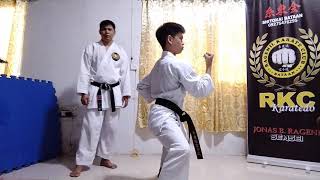
HOW TO DO HIJI ATE GOHO
Ragenil Karatedo Club RKC Bataan
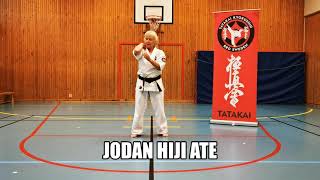
Jodan Hiji Ate
Tatakai Kyokushin Karate
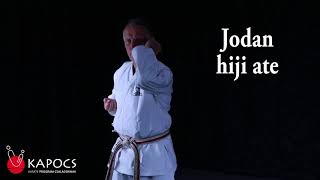
Karate Goju-ryu - Jodan hiji ate - Kapocs Sportprogram
KAPOCS Sportprogram

MR.FREE CD & Knife Tru Arm MAGIC on TV 5 (SOK SAB BAY)
CHAN PANHA (MRFREE)
![BERGEK feat CUT ZUHRA - SOK TOP 2 [Official Video Music]](https://img.youtube.com/vi/HOygZp3EA-c/mqdefault.jpg)
BERGEK feat CUT ZUHRA - SOK TOP 2 [Official Video Music]
Alamsyah Project