Introduction to Hiji Jodan Ate
Hiji Jodan Ate, or upper-level elbow strike, is a fundamental technique in Goju-ryu karate that delivers powerful close-range damage. This strike targets the opponent's head and upper body using the point of the elbow as the striking surface. Proper execution requires correct body mechanics, stance stability, and coordinated hip rotation to generate maximum force.
Stance and Base Position
The practitioner begins in a stable fighting stance with feet shoulder-width apart and knees slightly bent. The base position must provide balance while allowing quick weight transfer from the rear leg to the striking side. Maintaining a low center of gravity ensures the technique generates power from the ground through the hips.
Chamber Position and Arm Setup
The striking arm is drawn upward with the elbow bent at approximately 90 degrees, bringing the fist toward the opposite shoulder. This chambered position stores elastic energy while keeping the strike concealed from the opponent. The non-striking arm provides balance and can be used defensively during the technique's execution.
Hip Rotation and Power Generation
As the strike initiates, the hips rotate explosively toward the target, driving the majority of the technique's power. The rotation begins from the back foot and transfers momentum through the core, then into the upper body and striking arm. This sequential engagement of larger muscle groups multiplies striking force compared to using the arm alone.
Extension and Impact
The elbow extends in a direct, economical path toward the target, maintaining a straight line from shoulder through elbow to impact point. The striking surface focuses on the bony point of the elbow rather than the soft tissue area. Upon contact, the arm remains relatively straight to transmit force efficiently into the target.
Follow-Through and Recovery
After striking, the technique completes with a controlled follow-through that prevents the arm from snapping back and leaving the practitioner vulnerable. The body returns to its defensive stance immediately, maintaining balance and readiness for the next technique or defense. Proper recovery ensures the practitioner remains protected while prepared for counterattacks.
Common Applications and Targeting
Hiji Jodan Ate effectively targets the temple, jaw, and upper chest in self-defense scenarios or kumite competition. The technique's short range makes it particularly valuable during close-quarters exchanges when longer striking techniques become impractical. Practitioners should practice targeting accuracy and control to develop effective point striking ability.
Training Progression and Drills
Beginning students should practice the technique slowly against stationary targets and mirrors to establish correct form before increasing speed. Partner drills with controlled contact build timing and distance awareness while advancing to dynamic sparring scenarios. Consistent repetition develops muscle memory and enables the technique to become instinctive during live combat situations.
Karate Goju-ryu - Jodan hiji ate - Kapocs Sportprogram
Key Takeaways
- •Introduction to Hiji Jodan Ate
- •Stance and Base Position
- •Chamber Position and Arm Setup
- •Hip Rotation and Power Generation
Goju-ryu - Jodan hiji ate A KAPOCS Sportprogram keretében összefoglaltuk a goju-ryu karatestílus alaptechnikáit, hogy egyfajta vizuális oktatási segédletként járuljanak hozzá az egyes technikai elemek pontos elsajátításához. https://kapocs-sport.hu/ https://www.facebook.com/kapocssportprogram/ A különböző technikai csoportok és az azokon belül található egyes technikai elemek enciklopédiaszerűen, egymásra épülve, egymást kiegészítve találhatóak meg a csatornán, hogy minden érdeklődő megtalálja a számára fontos információt. Az oktatóvideón a goju-ryu stílusra jellemző mozgásanyagot a Magyar Karate Szakszövetség által javasolt 6. danos karatemester, Rebicek Gerd mutatja be.
Related Techniques
Frequently Asked Questions
What does this video teach about hiji jodan ate?
This video covers introduction to hiji jodan ate, stance and base position, chamber position and arm setup. It provides detailed instruction from KAPOCS Sportprogram.
How long does it take to learn hiji jodan ate?
The basic mechanics can be understood in a single session, but developing reliable execution requires consistent drilling over weeks of practice. This 8-part breakdown helps structure your training by isolating each phase of the technique.
What are the key details for finishing hiji jodan ate?
Hiji Jodan Ate effectively targets the temple, jaw, and upper chest in self-defense scenarios or kumite competition. The technique's short range makes it particularly valuable during close-quarters exchanges when longer striking techniques become impractical. Practitioners should practice targeting accuracy and control to develop effective point striking ability.
Related videos
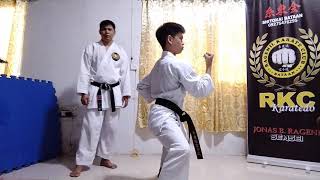
HOW TO DO HIJI ATE GOHO
Ragenil Karatedo Club RKC Bataan
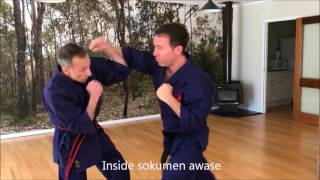
Sanseiru applications - sokumen awase and hiji ate
Dan Djurdjevic - The Way of Least Resistance
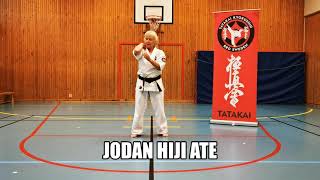
Jodan Hiji Ate
Tatakai Kyokushin Karate

MR.FREE CD & Knife Tru Arm MAGIC on TV 5 (SOK SAB BAY)
CHAN PANHA (MRFREE)
![BERGEK feat CUT ZUHRA - SOK TOP 2 [Official Video Music]](https://img.youtube.com/vi/HOygZp3EA-c/mqdefault.jpg)
BERGEK feat CUT ZUHRA - SOK TOP 2 [Official Video Music]
Alamsyah Project