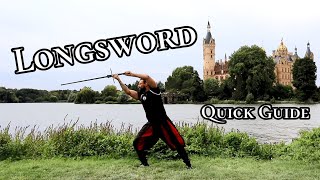
The Four Principal Guards
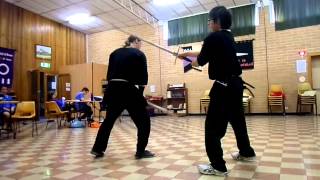
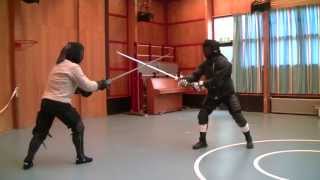
Medieval longsword manuals identify four foundational guards: Fool, Plow, Ox, and Day. These core positions appear consistently through the late medieval period into the Renaissance. Joachim Meyer expanded this system to fourteen total guards—four principal and ten secondary—using them to organize techniques and structure the fencer's conceptual understanding of the weapon.
The Upper Guard (Oberhut)
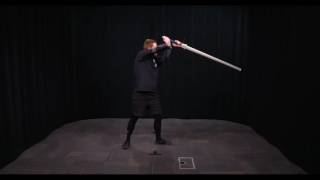
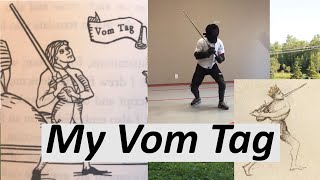
In Meyer's system, the Upper Guard positions the sword above the head without exception. All principal strikes and twere strikes execute effectively from this position, making it a versatile offensive stance. Despite its utility, Meyer recommends the Day guard more frequently than contemporary practitioners favor the Plow.
The Ox (Ochsen)
The Ox directs the point toward the opponent's face, maintaining constant thrust pressure while protecting the head. This medium-distance guard facilitates all major strike types, twere strikes, and thrusts without restriction. It serves as an essential follow-up position when entering the bind with an opponent.
The Plow (Pflug)
The Plow remains popular in contemporary HEMA practice due to its versatility and efficiency. Its primary threats involve rapid thrusts and quick cuts to the hands and arms, while simultaneously offering excellent parrying capability. This universal guard balances offensive threat, defensive coverage, and quick counterattacks in a single position.
The Fool (Alber)
The Fool guard invites high attacks by exposing upper openings, which practitioners then parry with powerful strikes from below using long or short edge. Initially deceptive, this guard loses its effectiveness once opponents recognize the trap and adjust defensively. The Fool also protects the legs effectively, similar to the Bastard position in dagger work.
The Wrathful Guard (Zornhau) and The Change (Wechsel)
The Zornhau derives its name from its aggressive character and generates powerful strikes, functioning primarily as a dynamic transitional posture rather than a static stance. The Wechsel serves as the concluding position of the Zornhau and permits powerful circular strikes and driving techniques through the cross. From the Change position, the fencer naturally transitions through the Upper Guard, maintaining continuous movement.
The Side Guard and The Unicorn
The Side Guard serves as both a starting position for understrikes and an excellent platform for executing crooked cuts. The Unicorn guard, named for its upward-pointing tip, functions as the endpoint of understrikes and permits all techniques available from the Ox while providing superior distance for powerful crooked cuts. Both positions extend the fencer's technical vocabulary for lower-line and diagonal attacks.
The Key (Schlüssel) and The Hanging Point
The Key guard breaks opposing guards through central thrusts that force opponent reactions and create follow-up opportunities. Its effectiveness lies in displacing the opponent regardless of whether the initial thrust lands, continuously resetting the engagement. The Hanging Point resembles the Ox structurally but exposes the hands and head, inviting opponent attacks that the fencer counters with principal strikes.
The Iron Gate (Eisenport)
The Iron Gate functions primarily as a protective guard with the blade positioned above the knee and the point directed at the opponent. This position also appears in Meyer's rapier section and in older manuscripts under the alternate name Scranghout. It provides essential lower-body defense while maintaining offensive capability through the forward-directed point.
Learn the Art of Combat: Longsword Guards - Beginners Guide
Key Takeaways
- •The Four Principal Guards
- •The Upper Guard (Oberhut)
- •The Ox (Ochsen)
- •The Plow (Pflug)
Knowing the guards in the long sword, knowing which techniques and concepts to apply from each posture, and being able to make our fencing dynamic and intuitive. 0:27 Intro (What is a guard?) 2:34 Upper Guard (Vom Tag) 3:12 Ox (Ochs) 4:00 Plow (Pflug) 4:44 Fool (Alber) 5:31 Wrath Guard (Zornhut) 6:20 Change Guard (Wechsel) 7:16 Side Guard (Nebenhut) 7:54 Unicorn (Eynhorn) 8:30 Key (Schlüssel) 9:14 Hanging Point (Hangetort) 9:55 Iron Gate (Eysenport) 11:12 Middle Guard (MIttelhut) 12:00 Longpoint (Langenort) 12:58 Break Window (Brechfenster)
Frequently Asked Questions
What does this video teach about pflug?
This video covers the four principal guards, the upper guard (oberhut), the ox (ochsen). It provides detailed instruction from Björn Rüther.
How long does it take to learn pflug?
The basic mechanics can be understood in a single session, but developing reliable execution requires consistent drilling over weeks of practice. This 9-part breakdown helps structure your training by isolating each phase of the technique.
What are the key details for finishing pflug?
The Key guard breaks opposing guards through central thrusts that force opponent reactions and create follow-up opportunities. Its effectiveness lies in displacing the opponent regardless of whether the initial thrust lands, continuously resetting the engagement. The Hanging Point resembles the Ox structurally but exposes the hands and head, inviting opponent attacks that the fencer counters with principal strikes.