The Challenge of Solo Training
Quality fencing instruction typically requires access to a club with experienced partners and instructors. Many practitioners live too far from training facilities to attend regularly, creating gaps in skill development. Solo drilling provides a practical solution to maintain and improve technique between club visits or lessons.
Four Pillars of Solo Drilling
Effective solo training encompasses four core areas: footwork, basic blade work, situational blade work, and strength conditioning. While solo drilling cannot replicate partner interaction, it offers substantial benefits for skill retention and technical refinement. Even practitioners with club access can accelerate progress through dedicated solo work.
Footwork Fundamentals and Precision
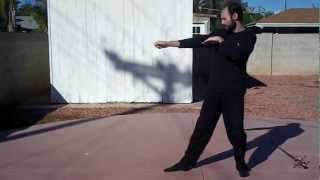
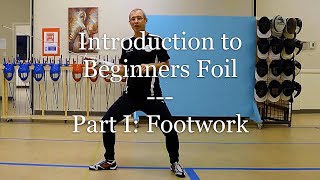
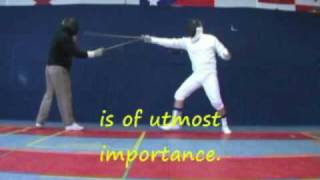
Footwork forms the foundation of effective fencing and requires consistent, high-quality repetition. Practitioners should focus on proper form—advances, retreats, lunges, and passes—rather than speed or volume. Mirror work and sword integration provide immediate feedback on body positioning and structural integrity.
Basic Blade Work Without Opposition
Basic blade work involves executing cuts and thrusts in isolation, without simulating opponent resistance. This phase allows practitioners to coordinate hand movement with footwork and develop proper distance control. Repetition of specific techniques—such as master cuts in longsword—builds confidence and muscle memory.
Building an Affordable Training Target
A tire rig constructed from recycled materials offers an inexpensive, durable alternative to commercial training dummies. Free tires can be obtained from tire shops, then chained, stacked, or mounted securely. This setup enables powerful strikes without damaging equipment, supporting both technical refinement and strength development.
Situational Blade Work and Simulated Opposition
Situational blade work introduces blade-to-blade interaction against a stationary reference point. A bicycle repair stand ($75) provides an effective platform for simulating opponent positioning and practicing bind entries, winding, and pressure responses. While not a replacement for live opponents, this tool develops critical binding mechanics and decision-making.
How To Practice Swordsmanship Without A Partner
Key Takeaways
- •The Challenge of Solo Training
- •Four Pillars of Solo Drilling
- •Footwork Fundamentals and Precision
- •Basic Blade Work Without Opposition
In this video I talk about my methods for solo training. We identify the four different areas of focus for solo sword practice. footwork, basic blade work, situational blade work, and strengthening additioning. this video should help you create a framework that you can use to train at home, whether or not you have access to a partner or a club. Check out True Steel for training videos form Amazing instructors! use code "SOLO15" for 15%OFF https://www.truesteeltraining.com/ check out @MarkWildman channel for more workout videos: https://youtube.com/@MarkWildman?si=ZAO_0kDvlWchBvL8 Start Learning Swordsmanship! https://www.truesteeltraining.com/ Help support us on Patreon! https://www.patreon.com/sellswordarts Join this channel to get access to perks: https://www.youtube.com/channel/UCMEMbA38r9CKCuukra2Mr3Q/join Join the Discord! https://discord.gg/HG4CK3mzJV
Frequently Asked Questions
What does this video teach about standard fencing footwork?
This video covers the challenge of solo training, four pillars of solo drilling, footwork fundamentals and precision. It provides detailed instruction from Sellsword Arts.
How long does it take to learn standard fencing footwork?
The basic mechanics can be understood in a single session, but developing reliable execution requires consistent drilling over weeks of practice. This 6-part breakdown helps structure your training by isolating each phase of the technique.
What are the key details for finishing standard fencing footwork?
A tire rig constructed from recycled materials offers an inexpensive, durable alternative to commercial training dummies. Free tires can be obtained from tire shops, then chained, stacked, or mounted securely. This setup enables powerful strikes without damaging equipment, supporting both technical refinement and strength development.