Introduction and Manual Foundation
This instructional guide covers rapier footwork fundamentals based on 17th-century Italian technique, specifically drawing from the Capoferro manual. The instruction focuses on practical, generic Italian rapier mechanics applicable to historical fencing practice.
Stance and Guard Position
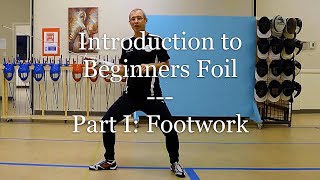
The foundational stance begins with heels together, then the practitioner takes a comfortable step forward with the back foot positioned well behind. The lead hand may be held high for defensive parrying, with optional variations in heel alignment depending on whether the practitioner intends to use the off-hand for hand slapping or dagger work.
Advance and Retreat
Forward movement is executed by pushing the front foot forward while maintaining level body posture, avoiding vertical bouncing. The practitioner must remain ready to return to neutral stance, with retreat using the same controlled, level movement in reverse.
The Pass: Transitioning Foot Position
A pass occurs when the rear foot becomes the front foot, executed either with a turned foot or a straight foot placement depending on tactical need. This fundamental movement enables deep offensive penetration while maintaining balance and defensive readiness.
Defensive Pass Against Leg Targeting
When an opponent attempts to strike the practitioner's leg, the front foot extends outward in a passing motion while the arm extends upward toward the opponent's head. This simultaneous arm extension creates offensive pressure while the footwork provides defensive distance.
Outside Attack with Pass and Coverage
When threatened by an attack on the outside (sword-side), the front foot turns and moves while the blade extends to impale the opponent. This combined movement simultaneously executes an offensive action and covers the defender's body from counterattack.
Inside Attack Response
The same turning pass applies to inside attacks, with the hand covering toward the off-side while the blade provides protective coverage. This mirrored technique maintains consistency across different lines of attack.
The Incartata: Head-Level Evasion
The incartata (colloquially termed the 'rock star') involves a dramatic upward and downward hand movement while the back foot steps forward and the hand circles around to protect the inside line. This advanced technique exploits an opponent's overcommitment by evading their blade while simultaneously establishing offensive position.
Core Footwork Summary
The essential rapier footwork repertoire consists of: forward step, backward step, forward pass, backward pass, leftward evasion, rightward evasion, and the incartata. Mastery of these fundamental movements provides the foundation for all higher-level rapier technique.
Rapier Footwork -How To-
Key Takeaways
- •Introduction and Manual Foundation
- •Stance and Guard Position
- •Advance and Retreat
- •The Pass: Transitioning Foot Position
Basic 17th century rapier foot-work from the Phoenix Society of Historical Swordsmanship. Our favorite manual is Nicoletto Giganti's 1606 manual.
Frequently Asked Questions
What does this video teach about standard fencing footwork?
This video covers introduction and manual foundation, stance and guard position, advance and retreat. It provides detailed instruction from swordpals.
How long does it take to learn standard fencing footwork?
The basic mechanics can be understood in a single session, but developing reliable execution requires consistent drilling over weeks of practice. This 9-part breakdown helps structure your training by isolating each phase of the technique.
What are the key details for finishing standard fencing footwork?
The incartata (colloquially termed the 'rock star') involves a dramatic upward and downward hand movement while the back foot steps forward and the hand circles around to protect the inside line. This advanced technique exploits an opponent's overcommitment by evading their blade while simultaneously establishing offensive position.