The Fundamental Misconception
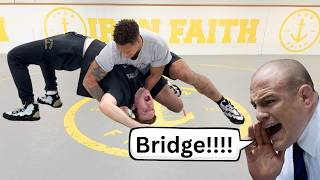
Many coaches teach wrestlers to prioritize wrist control when escaping from bottom position, but this approach is counterproductive. The bottom wrestler's primary objective should be preventing the top wrestler from obtaining wrist control, not fighting for it themselves. This defensive-first mindset is essential for successful escapes.
Understanding the Top Wrestler's Strategy
The top wrestler's primary goal is to secure wrist control to set up turns or flatten the opponent. Recognizing this objective allows the bottom wrestler to anticipate and prevent these attacks. By understanding the opponent's intentions, the bottom wrestler can defend more effectively.
Seal Off Rather Than Attack
Instead of aggressively pursuing hand control, the bottom wrestler should focus on sealing off space between their side and tricep. This preventive technique eliminates the top wrestler's inside positioning opportunities. Sealing off maintains defensive integrity while the bottom wrestler works to their feet.
Timing Hand Control Attacks
Hand control becomes a valid offensive tool only during the transition to standing—specifically at the tripod or quad pod position. Attempting hand control while prone on the mat increases vulnerability to being flattened or pinned. Championship-level wrestlers recognize this timing distinction and adjust their approach accordingly.
Prioritize Position Over Escape Urgency
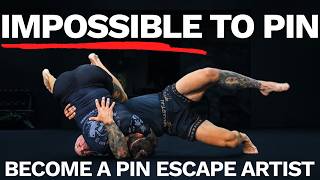
The bottom wrestler must maintain strong positioning and incrementally improve their situation rather than desperately rushing to stand. Excessive movement while ignoring the top wrestler's attacks (such as arm chops or head leverage) results in being smashed or pinned. A methodical, defensive-minded approach prevents mistakes that lead to worse positions.
Directional Resistance Principle
When the top wrestler applies pressure in one direction, the bottom wrestler must post hands, feet, and weight in the opposite direction to resist. Failing to resist properly—or worse, posting in the same direction as the attack—accelerates the wrestler toward a pinned position. Effective resistance requires constant adjustment to counter the top wrestler's shifting techniques.
Counter Common Top Wrestling Attacks
Specific defensive responses prevent the most common finishing techniques: dipping the head against cross-face, dropping the elbow against head lever, extending the ankle against tight waist-ankle control, and widening the knees against pressure. Each attack requires a distinct defensive reaction to maintain positional integrity. Recognizing and countering these threats before they fully develop is critical to avoiding pins.
Movement as a Last Resort
Controlled, purposeful movement differs fundamentally from frantic, exhausting movement that creates errors. Excessive movement while on bottom depletes energy and creates openings for the top wrestler to secure wrist control or pins. Only in the final seconds of a match, when time is critical, should the bottom wrestler increase movement intensity.
Recover Base Before Attempting Advanced Escapes
If the top wrestler has secured wrist control while the bottom wrestler is on an elbow, regaining a stable base takes priority over attempting sits-outs, switches, or rolls. Clearing the hand to restore a strong four-point or tripod base creates the foundation necessary for effective escapes. Only from solid positioning should the bottom wrestler pursue advanced techniques.
Why 99% of Beginners Get Stuck on Bottom (And How to Escape)
Key Takeaways
- •The Fundamental Misconception
- •Understanding the Top Wrestler's Strategy
- •Seal Off Rather Than Attack
- •Timing Hand Control Attacks
Iron Faith Merch ➡️ https://amptstudio.chipply.com/ifwc/ Join the #1 Online Wrestling Academy in the world ➡️ https://www.skool.com/iron-faith-academy The Three Mistakes Mistake 1 00:00 Mistake 2 03:12 Iron Faith Academy 07:06 Mistake 3 07:32
Frequently Asked Questions
What does this video teach about escape against wrestler's pin?
This video covers the fundamental misconception, understanding the top wrestler's strategy, seal off rather than attack. It provides detailed instruction from Iron Faith Wrestling.
How long does it take to learn escape against wrestler's pin?
The basic mechanics can be understood in a single session, but developing reliable execution requires consistent drilling over weeks of practice. This 9-part breakdown helps structure your training by isolating each phase of the technique.
What are the key details for finishing escape against wrestler's pin?
Controlled, purposeful movement differs fundamentally from frantic, exhausting movement that creates errors. Excessive movement while on bottom depletes energy and creates openings for the top wrestler to secure wrist control or pins. Only in the final seconds of a match, when time is critical, should the bottom wrestler increase movement intensity.