Elbow Control Fundamentals
Elbow control from the standing position is a foundational concept in wrestling and grappling. When an opponent's elbow is controlled, they cannot retract their arm or generate effective offensive pressure, making this position exceptionally powerful for initiating takedowns and maintaining dominance.
Inside Control Arm Pull
From inside control, a wrestler can reach up and pull down on the opponent's elbow to prevent them from facing forward. This pull disrupts the opponent's posture and prevents them from escaping, creating opportunities for double-leg takedowns or further hand-fighting exchanges.
Timing the Inside Control Counter
When an opponent attempts to secure inside control, the defender can time the incoming arm and pull the elbow back as it rises. This counter-timing technique requires practice to execute smoothly and becomes more effective as the opponent commits pressure forward during the exchange.
Hand Control Superiority
Wrestlers develop significant hand-fighting advantages over opponents without wrestling backgrounds. The ability to control and past an opponent's hands while preventing them from controlling yours is fundamental to wrestling success and is often perceived by non-wrestlers as general toughness rather than specific technique.
Elbow Escape Methods
When trapped in inside control, there are two primary escape methods: the traditional limp arm approach, and an alternative technique where the defending arm stays underneath to drive forward. The underhand method is more efficient against higher-level opponents who can catch the traditional lever escape.
Outside Elbow Position Strategy
Positioning on the outside of the opponent's elbow is a viable defensive strategy, particularly effective against opponents who level change aggressively. High-level wrestlers may exploit this position by throwing the opponent's arm across their body to generate offensive opportunities.
Anatomical Advantage
The elbow joint is a naturally vulnerable pressure point due to the thin bone structure where the ulna and radius meet at the tricep. This anatomical reality makes elbow control universally effective regardless of opponent size or strength, emphasizing technique over physical attributes.
#27 Hand fighting/takedown set ups: it’s all about elbow control
Key Takeaways
- •Elbow Control Fundamentals
- •Inside Control Arm Pull
- •Timing the Inside Control Counter
- •Hand Control Superiority
Watch any high level wrestlers and you will see they control at the elbow during “hand fighting.” Most BJJ professors are teaching to post at the wrist and control wrists for shots. This won’t work beyond the mid-level high school wrestler. Here I show a few variations of how to control the elbows for good entry on the legs
Related Techniques
Frequently Asked Questions
What does this video teach about inside elbow control?
This video covers elbow control fundamentals, inside control arm pull, timing the inside control counter. It provides detailed instruction from Breza-Grappling.
How long does it take to learn inside elbow control?
The basic mechanics can be understood in a single session, but developing reliable execution requires consistent drilling over weeks of practice. This 7-part breakdown helps structure your training by isolating each phase of the technique.
What are the key details for finishing inside elbow control?
Positioning on the outside of the opponent's elbow is a viable defensive strategy, particularly effective against opponents who level change aggressively. High-level wrestlers may exploit this position by throwing the opponent's arm across their body to generate offensive opportunities.
Related videos
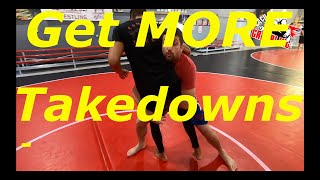
Elbow Control VS Post High-Crotch!...DETAILS!!
TeachMeGrappling Coach Brian
Wrestling Technique: Elbow Control High Crotch
Joshua Nolan Wrestling
Dominate the Muay Thai Clinch with Petchboonchu
fightTIPS
Clinch Control with Coach JD - Wrestling, Muay Thai, & More
Martial Arts Unlimited
The FIRST side control escape EVERYONE Should Master
Mads H. BJJ