Standard Headlock Throw Technique

Genus

ヘッドロック投げ(Heddorokku Nage)

Hybrid

Translation: standard headlock throw technique

Overview

Standard Headlock Throw Technique is the textbook execution in which the wrestler secures the opponent's head with one arm, grips the wrist with the other hand, pivots the hips in front of the opponent, bends at the waist to load the opponent's weight onto the hip, and explosively rotates to throw the opponent over the hip and onto their back. [1],[2] The throw requires committed hip entry and a strong squeeze to prevent the opponent from posturing out of the headlock. [2],[3]

Also known as
Classical Headlock Hip TossWrestling[1]Standard Head and Arm Throw[2]Basic Headlock ThrowWrestling[3]

History & Origin

This classical headlock throw technique has been taught as a fundamental wrestling skill across Greco-Roman, freestyle, and folkstyle traditions for well over a century. [1],[2]

Effectiveness

The headlock throw is effective in both wrestling and self-defence situations due to the strong control provided by the head and arm clinch. [1] In freestyle wrestling, it is a common technique from the tie-up position, though experienced wrestlers can counter it by maintaining posture. [2]

Lineage

The headlock throw is a fundamental technique in catch wrestling, freestyle wrestling, and folk wrestling traditions worldwide. [1]

Competition Record

The headlock throw is a standard technique in wrestling competition. [1]

Images

No images yet for this technique.

Sign in to suggest an image.

Biomechanical Mechanism

Primary ActionLoading the opponent onto the hip and rotating them over it — the hip acts as the fulcrum
Joints InvolvedAttacker's hip (fulcrum point), knees (deep bend for loading), core (rotation), opponent's centre of gravity (elevated)
Force VectorRotational — pulling and turning motion loads the opponent, then hip extension and rotation drives them over
Kuzushi (Off-balancing)Forward and upward — breaking opponent's posture forward lifts their centre of gravity onto the attacker's hip

Position & Entry

From judo gripBreak the opponent's balance forward (kuzushi), turn in with hip below their centre of gravity, and rotate to throw
From clinch (overhook or underhook)Secure inside position, turn the hips across the opponent's body, load and throw

Variants

Standard hip throwfull turn-in with hip below the opponent's centre of gravity
No-gi hip throwadapted without gi grips, using overhook and collar tie
Drop hip throwdropping to one knee to lower the fulcrum point
Combination hip throwchaining from a failed foot technique or hand technique

Videos

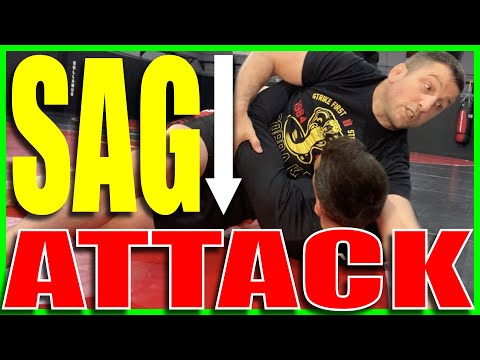
The MOST Effective Headlock!

0
Standard Headlock Throw Technique·TeachMeGrappling Coach Brian·Added by Admin

This video I teach a basic sag head and arm throw. Check out the details and you are sure to find something useful! En

1 video

Learn This Technique

No instructional courses yet for this technique.

Sign in to suggest a course.

Ratings

Danger Rating

Risk of injury to the person this technique is applied to

5
High5/10

Headlock position adds neck strain risk; moderate throw amplitude

Difficulty

Skill level needed to execute this technique reliably

Beginner
Competition Legality

Whether this technique is allowed under major competition rule sets

IJF — Legal throwing technique
IJF Sport and Organisation Rules 2025, Article 27PDF
IBJJF — Legal at all belt levels
IBJJF Rules Book v6.0, June 2024PDF
UWW — Legal in both freestyle and Greco-Roman
UWW International Wrestling Rules, January 2026PDF
Unified MMA — Legal throwing technique
Unified Rules of MMA, August 2025PDF
FIAS Sport Sambo — Legal
FIAS International Sambo Competition RulesPDF
FIAS Combat Sambo — Legal
FIAS Combat Sambo RulesPDF

Training Notes

From a collar tie, snap the opponent's head down — as they posture up, wrap your arm around their head
Step your near hip directly into the opponent's near hip — tight contact
Lock the headlock by gripping your own wrist or clasping your hands
Pop the hip while pulling the head down and across your body — the opponent rolls over your hip
Follow through by driving your weight through the throw — land in kesa gatame (scarf hold) position
The timing is: snap, wrap, step, pop, follow through — one fluid sequence
Condition the grip specifically — you must maintain the head wrap through the opponent's defensive reactions

Common Mistakes

!Wrapping the head before stepping the hip in — you need the fulcrum in place before the pull
!Stepping the hip too far past the opponent — your hip must contact their hip, not pass it
!Gripping the headlock too loosely — the opponent pulls their head free
!Popping the hip without pulling the head — both actions must be simultaneous
!Landing on the mat beside the opponent instead of on top of them — follow through to a pin
!Not anticipating the opponent ducking out — if they duck, transition to a different attack
!Using the headlock as a stalling position instead of immediately throwing

Related Techniques

Counter Techniques

Setup Chain

1Grip Setup (Kumi-kata)establish the controlling grips needed for the throw
2Off-Balance (Kuzushi)break the opponent's balance in the throwing direction
3Entry (Tsukuri)position the body for the throw by turning, stepping, or loading
4Execution (Kake)complete the throwing action with full commitment and follow-through

Sources & References

Primary Source

Japanese amateur wrestling terminology

1OtherJapanese Martial Arts Community Terminology

Japanese amateur wrestling terminology

2OtherJapanese Martial Arts Hybrid Terminology

Mixed Japanese-Western terminology — combines traditional Japanese terms with katakana loanwords

3CitationJapanese amateur wrestling terminology

Standard katakana transliteration used in Japanese wrestling (レスリング)

Community

Athletics

Requires

hip rotation speed, core strength, lower back stability

Favours

strong hips and core, good flexibility for turning entry

Key muscles

hip rotators, core, quadriceps, latissimus dorsi

Frequently Asked Questions

What makes the standard headlock throw effective compared to traditional hip throws?

According to Coach Brian at TeachMeGrappling, the headlock throw is effective because it's simpler and catches most people by surprise—it doesn't require as much training and skill as traditional back-step hip throws, though both require practice.

How do I control my opponent's arm when they try to unlock the headlock?

Coach Brian demonstrates locking the arm by pushing it into the back of your knee while pulling the opponent's head up, similar to an Americana but using your leg instead—this traps their arm and is commonly seen in MMA.

How does the Standard Headlock Throw Technique work?

Standard Headlock Throw Technique is the textbook execution in which the wrestler secures the opponent's head with one arm, grips the wrist with the other hand, pivots the hips in front of the opponent, bends at the waist to load the opponent's weight onto the hip, and explosively rotates to throw the opponent over the hip and onto their back. The throw requires committed hip entry and a strong squeeze to prevent the opponent from posturing out of the headlock.

Where does the Standard Headlock Throw Technique come from?

This classical headlock throw technique has been taught as a fundamental wrestling skill across Greco-Roman, freestyle, and folkstyle traditions for well over a century.

Is the Standard Headlock Throw Technique legal in competition?

IJF: legal — Legal throwing technique; IBJJF: legal — Legal at all belt levels; UWW: legal — Legal in both freestyle and Greco-Roman; Unified MMA: legal — Legal throwing technique; ADCC: legal — Legal; FIAS Sport Sambo: legal — Legal; FIAS Combat Sambo: legal — Legal

How dangerous is the Standard Headlock Throw Technique?

Danger rating 5/10. High — headlock position adds neck strain risk; moderate throw amplitude

How do I set up the Standard Headlock Throw Technique?

The standard setup chain: Grip Setup (Kumi-kata) → Off-Balance (Kuzushi) → Entry (Tsukuri) → Execution (Kake).

How do I defend against the Standard Headlock Throw Technique?

Standard counters include: Lower Centre of Gravity — bend knees and drop hips to make the throw harder to execute / Block the Hip — post hand on the thrower's hip to prevent loading / Step Around — circle away from the throw direction to avoid being loaded / Grip Break — deny the thrower their preferred gripping configuration.

What are the variants of the Standard Headlock Throw Technique?

Common variants: Standard hip throw (full turn-in with hip below the opponent's centre of gravity); No-gi hip throw (adapted without gi grips, using overhook and collar tie); Drop hip throw (dropping to one knee to lower the fulcrum point); Combination hip throw (chaining from a failed foot technique or hand technique).

How effective is the Standard Headlock Throw Technique in competition?

The headlock throw is a standard technique in wrestling competition.

What are common mistakes when doing the Standard Headlock Throw Technique?

Top errors to watch for: Wrapping the head before stepping the hip in — you need the fulcrum in place before the pull / Stepping the hip too far past the opponent — your hip must contact their hip, not pass it / Gripping the headlock too loosely — the opponent pulls their head free / Popping the hip without pulling the head — both actions must be simultaneous.

What are other names for the Standard Headlock Throw Technique?

The Standard Headlock Throw Technique is also known as Heddorokku Nage, Classical Headlock Hip Toss, Standard Head and Arm Throw, Basic Headlock Throw.