Spladle in wrestling
0
Standard Spladle·Myosource Kinetic Bands
http://myosource.com/wrestling/ Spladle in wrestling
Not yet documented
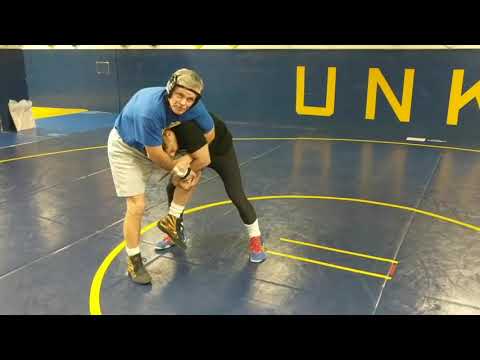
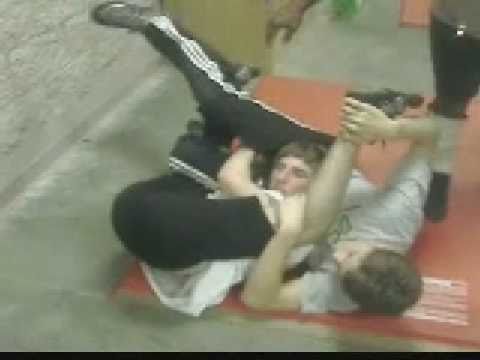
The Standard Spladle is the fundamental execution of the spladle technique — trapping the opponent's head and one leg together from the front headlock position, then forcing the other leg apart to create a painful groin split that serves as both a wrestling pin and a submission hold. [1] This standard version represents the basic spladle mechanics from the front headlock entry. [1],[2]
Developed within the parent martial arts tradition. [1]
Used in relevant competition formats. [1]
No images yet for this technique.
Sign in to suggest an image.
http://myosource.com/wrestling/ Spladle in wrestling
No instructional courses yet for this technique.
Sign in to suggest a course.
Risk of injury to the person this technique is applied to
Standard technique-level risk appropriate to the category
Skill level needed to execute this technique reliably
Whether this technique is allowed under major competition rule sets
Jiu-Jitsu University (Saulo Ribeiro, 2008)
Description sources — [1] Martial arts curriculum [2] Competition analysis
Standard katakana transliteration of Western martial arts terminology (外来語) — used in Japanese MMA, boxing, and BJJ communities
Description sources — [1] Martial arts curriculum [2] Competition analysis
technique-specific physical attributes
technique-dependent
The spladle originated in American folkstyle wrestling as a pinning combination — the attacker threads one arm through the opponent's legs and controls the head to split and pin. In BJJ and MMA, it was adapted as a submission targeting the groin and spine. (Wrestling coaching manuals; MMA competition records)
According to UNK Wrestling's Technique With Tom, the number one mistake is trying to grab the opponent's leg instead of pushing it down. You should push the leg down, then punch through with your elbow locking behind the knee, and secure it with a figure four to prevent escape.
No—Myosource Kinetic Bands emphasizes that you should not pull both legs up initially because it throws off your balance. Instead, keep one leg on the mat for stability while you control and split out the other leg.
Myosource Kinetic Bands stresses the importance of maintaining hip pressure on top of your opponent and keeping your weight forward rather than back, as weight back allows the opponent to roll over and escape.
Keep your opponent's knees down while driving pressure into them, according to Myosource Kinetic Bands. Allowing their legs to come up can turn the position into a scramble rather than a secure pin.
The Standard Spladle is the fundamental execution of the spladle technique — trapping the opponent's head and one leg together from the front headlock position, then forcing the other leg apart to create a painful groin split that serves as both a wrestling pin and a submission hold. This standard version represents the basic spladle mechanics from the front headlock entry.
This technique developed within its parent martial arts tradition and has been refined through competition.
IBJJF: restricted — Brown and black belt only; IJF: banned — Only elbow joint locks permitted in judo — compression locks prohibited; ADCC: legal — Legal; Unified MMA: legal — Legal; FIAS Sport Sambo: legal — Legal; FIAS Combat Sambo: legal — Legal
Danger rating 4/10. Moderate — standard technique-level risk appropriate to the category
The standard setup chain: Establish Entry Position → Set Up the Technique → Execute → Follow Through → Consolidate or Transition.
Standard counters include: Defensive techniques against this specific technique / Prevention of the entry position.
Common variants: Standard execution (the fundamental version); Modified variation (adapted for specific scenarios).
Used in relevant competition formats.
Top errors to watch for: Poor entry positioning / Incomplete execution / Not chaining with follow-up techniques / Attempting without proper setup.
The Standard Spladle is also known as Basic Spladle, Standard Banana Split.