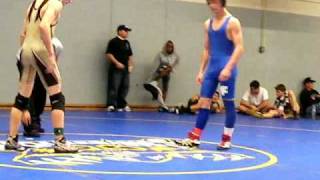
Introduction to the Spladle
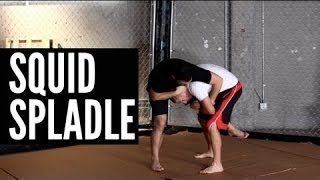
Coach Greg Thomas of Olathe Christian School presents the spladle (also called shallis cradle), a wrestling technique with numerous variations developed by seven-time world champion Wali Shallis. The move counters single-leg attacks by trapping the opponent's leg and creating a dominant grappling position.
Standing Spladle Setup—Inside Variation
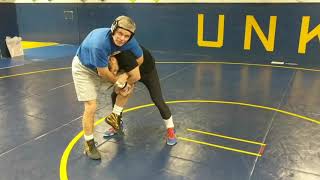
When an opponent shoots a single leg, the defender establishes hip pressure while hooking inside the opponent's crotch with a suction grip. The defender threads their own leg behind the opponent's knee, then initiates a controlled roll to place the opponent on their back.
Completing the Standing Spladle Position
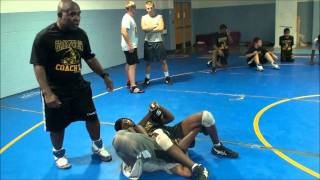
Once the opponent is on their back, the defender secures a two-on-one control on the opponent's leg: two hands gripping the leg and both legs hooked behind the opponent's knee and Achilles tendon. The defender maintains hip pressure while keeping one leg on the mat for stability, resembling a rodeo rider's posture.
Finishing Pressure and Pin Mechanics
The defender creates a "wishbone" effect by driving the opponent's head in one direction while pulling their legs in the opposite direction, generating extreme pressure and pain. If executed correctly, the opponent's shoulders may be pinned; Coach Thomas notes this is considered the second most painful position in wrestling after the guillotine.
Standing Spladle—Outside Variation
An alternative setup places the defender's hands outside the opponent's legs rather than inside, useful when threading the inside grip is difficult. The finish remains identical, with the defender rolling the opponent and securing both legs with the same two-on-one configuration.
Mat Spladle from Single Leg
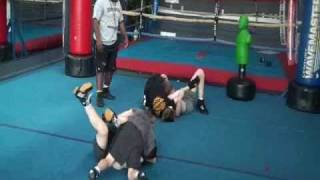
When an opponent shoots a single leg on the mat, the defender secures a suction grip and immediately pulls the opponent's knee to their chest while grabbing the bottom of their foot. This creates significant rotational torque and discomfort.
Mat Spladle Finishing Position
The defender bumps to the side and steps through with their leg threaded behind the opponent's knee, maintaining top pressure and hip control. Weight distribution is critical; the defender keeps pressure on top rather than shifting weight backward, preventing the opponent from executing an escape roll.
Spladle in wrestling
Key Takeaways
- •Introduction to the Spladle
- •Standing Spladle Setup—Inside Variation
- •Completing the Standing Spladle Position
- •Finishing Pressure and Pin Mechanics
http://myosource.com/wrestling/ Spladle in wrestling
Frequently Asked Questions
What does this video teach about standard spladle?
This video covers introduction to the spladle, standing spladle setup—inside variation, completing the standing spladle position. It provides detailed instruction from Myosource Kinetic Bands.
How long does it take to learn standard spladle?
The basic mechanics can be understood in a single session, but developing reliable execution requires consistent drilling over weeks of practice. This 7-part breakdown helps structure your training by isolating each phase of the technique.
What are the key details for finishing standard spladle?
When an opponent shoots a single leg on the mat, the defender secures a suction grip and immediately pulls the opponent's knee to their chest while grabbing the bottom of their foot. This creates significant rotational torque and discomfort.